Month: January 2026

PASSION THAT KILLED

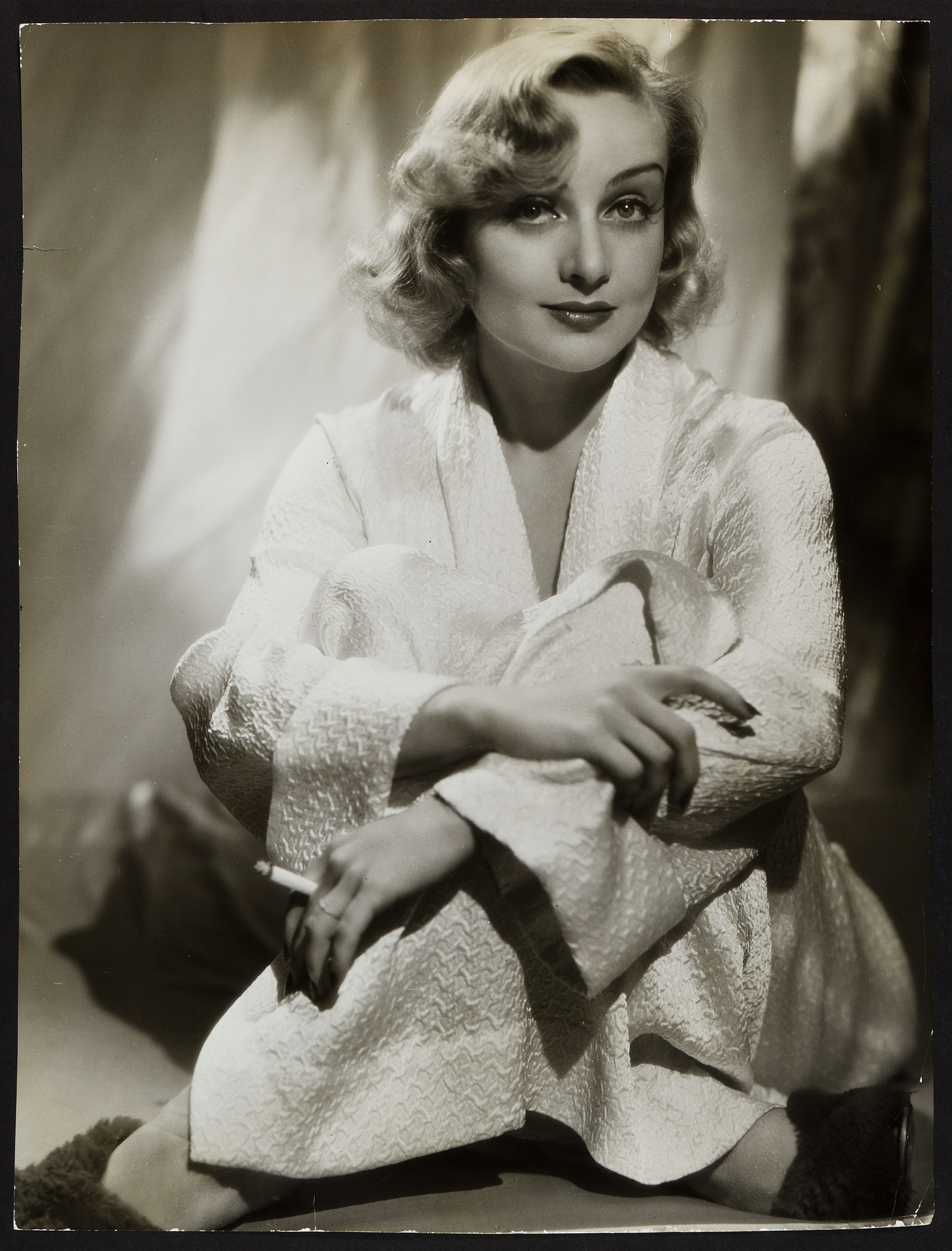
Star of the day, Carole Lombard, as usual, with a cigarette.

Can you believe it—it’s been 84 years since the plane carrying Carole Lombard and 21 others smacked into the cliffs atop Mt. Potosi, Nevada, 35 miles southwest of Las Vegas. I’ve spoken often about the climb I made to the crash site in 2012 over the route taken by first responders (I did it in October; they did it in a foot of January snow), as I’ve related how I heard—as in, actually heard—the people on the plane whispering to me while I was there: “Don’t forget about us.” That experience led me to track down the story of each of the 21 souls aboard TWA Flight 3 along with Lombard.

But today let’s focus on the former Paramount starlet turned free agent performer and American patriot who undertook a perilous trip from warm and secure Los Angeles to snowy Indianapolis via Chicago in deepest winter to sell war bonds. Remember, America had just been sucked into World War II six weeks earlier and she was first among Hollywood stars to hit the road for fundraising. She was a passionate woman in everything she did, which she said herself. In whatever pursuit, according to Carole, “I give it my all and I love it.” That same passion would kill her, ironically enough. She didn’t have the patience to take three days to return to LA by train after the big success of the bond sale, and so she demanded to fly home. Her handler for the trip, MGM publicity man Otto Winkler, secured three tickets to Burbank (Carole’s mother Elizabeth Knight Peters also along) on a TWA cross-country flight that hedge-hopped from LaGuardia west. They picked the plane up in Indianapolis early on January 16 and spent the next 12 hours flying, getting off the plane, stretching legs, and getting back on again. We’re not talking about an Airbus here; the cabin of a DC-3 was about as big as the interior of a mass transit bus, meaning everyone spent the trip uncomfortable and very cold despite cabin heaters. Oh, and deaf thanks to two big radial engines droning away three feet outside the fuselage.
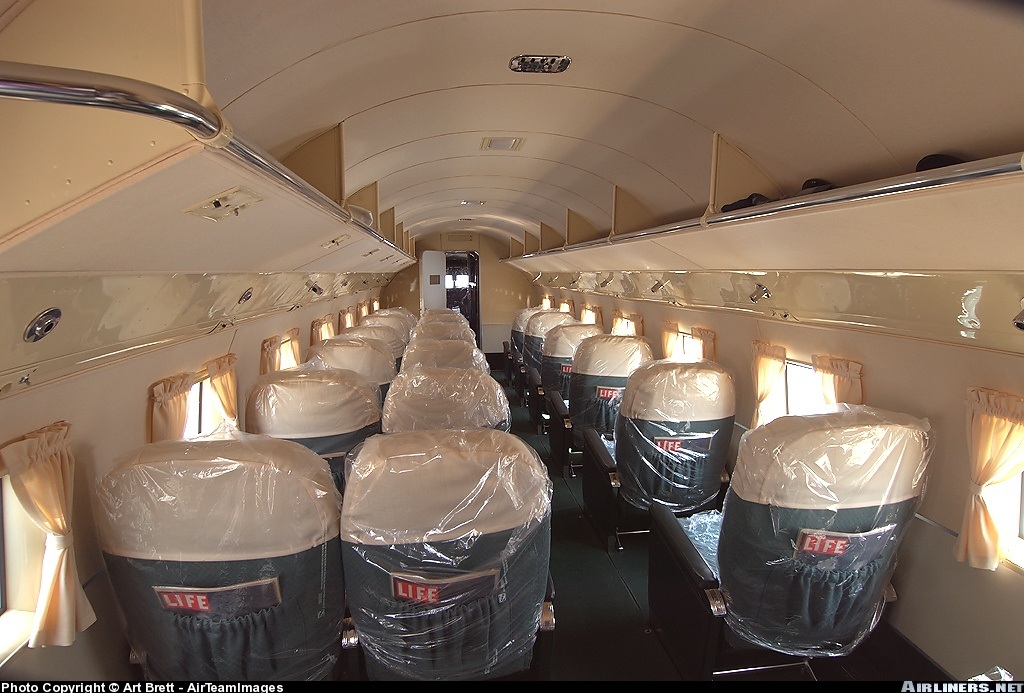
Interior of the restored sister ship to TWA Flight 3, which was only a few months old at the time of the crash. Room for 18 passengers, although I have to say, the seats look pretty nice compared to what we have today. (Photo credit to Art Brett, AirTeamImages and airliners.net.)

As documented in my 2014 book Fireball, the plane hit the mountain at about 7:30 p.m. local time on January 16. Initially rescue teams scrambled up the mountain hoping for survivors, but there weren’t any—although a few of the passengers had been tossed out of the plane into deep snow and may have lived past impact, if briefly. Carole was near the front of the plane and was found at the base of the cliff, under a wing.
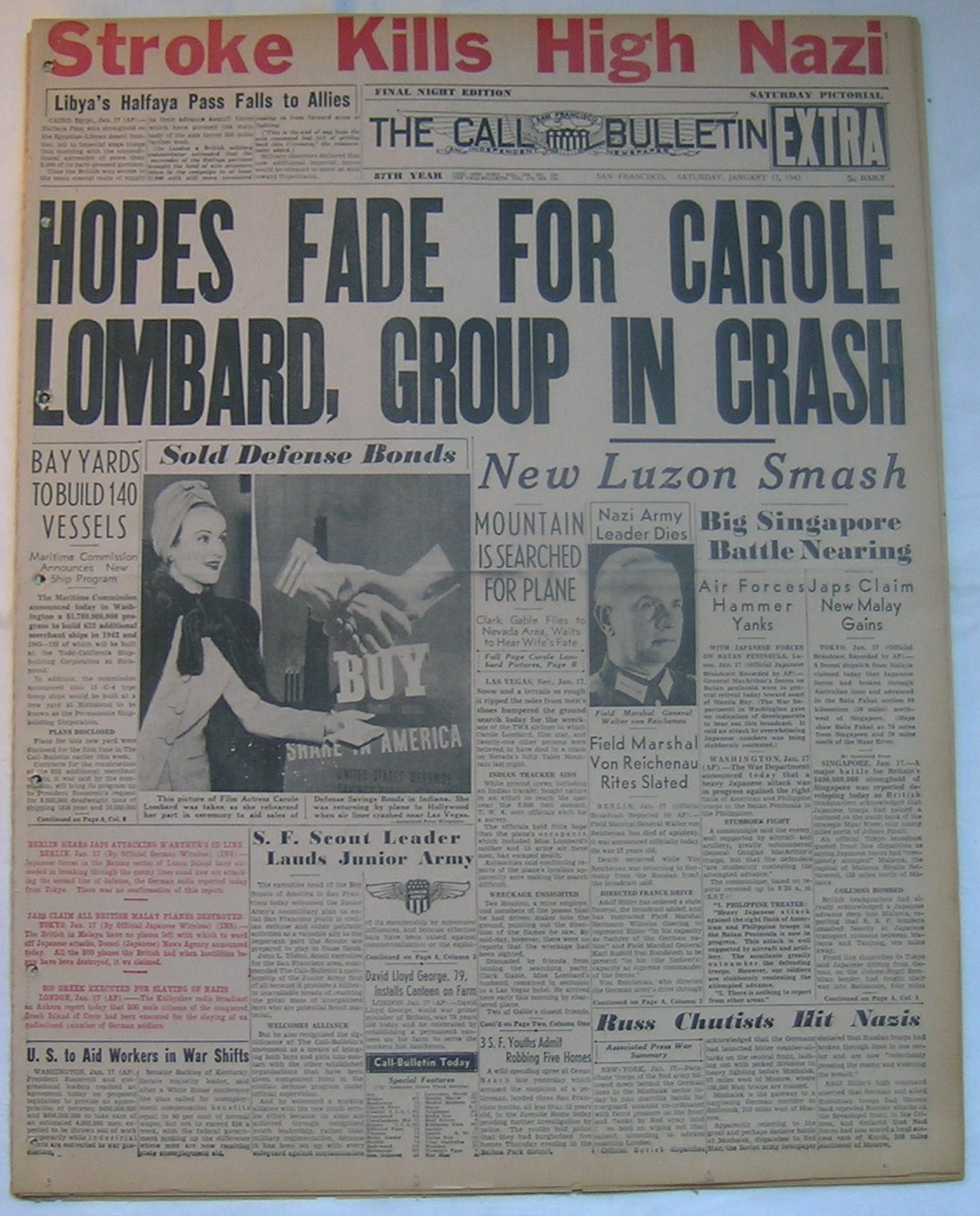
Initially, search teams started up the mountain with hopes of rescue–but rescue soon turned to recovery.

For Carole, time stopped at age 33, and I’ve often pondered what would have come next if she had lived. Her career was on a downswing, although the picture she had just made, To Be or Not to Be, was a brilliant sendup of life in Poland under Hitler. Hard to say if the world was ready to laugh at the evil one in great enough numbers to make the picture a hit, but it stands today as one of her three best films. After that, she was set to make a sequel of sorts to her 1936 screwball comedy, My Man Godfrey. It was to be called “My Girl Godfrey,” with Carole the butler this time. And then, who knows where she would have gone.

Here are my suspicions. I believe she would have been the one to blaze the trail that Lucille Ball established (neither Carole nor Lucy being singer/dancers). Some comedies, some film noir, and then, television with a capital T. Ball always credited Lombard as her mentor; Lucy said that Carole appeared in her dreams offering career-altering advice. I don’t put that past Lombard at all; she didn’t have the opportunity to master the new medium, so she did the next best thing.

Lombard was an OK dramatic actress but excelled at comedy. She was so naturally funny, with great timing, that success on the small screen would have been inevitable for Carole in her middle years given the prevalence of star-driven TV series of the 1950s. Loretta Young, Donna Reed, Gale Storm, etc. etc. Pushing back against that success might have been declining beauty, a la Paulette Goddard and Ann Sheridan, both heavy smokers. Sheridan grew so alarmed at her fading looks by the late 1950s that she resorted to cosmetic surgery and then resurfaced in the 1960s TV series Pistols N Petticoats before dying suddenly of lung cancer. And that was another risk for a heavy smoker, which Carole had been since adolescence.
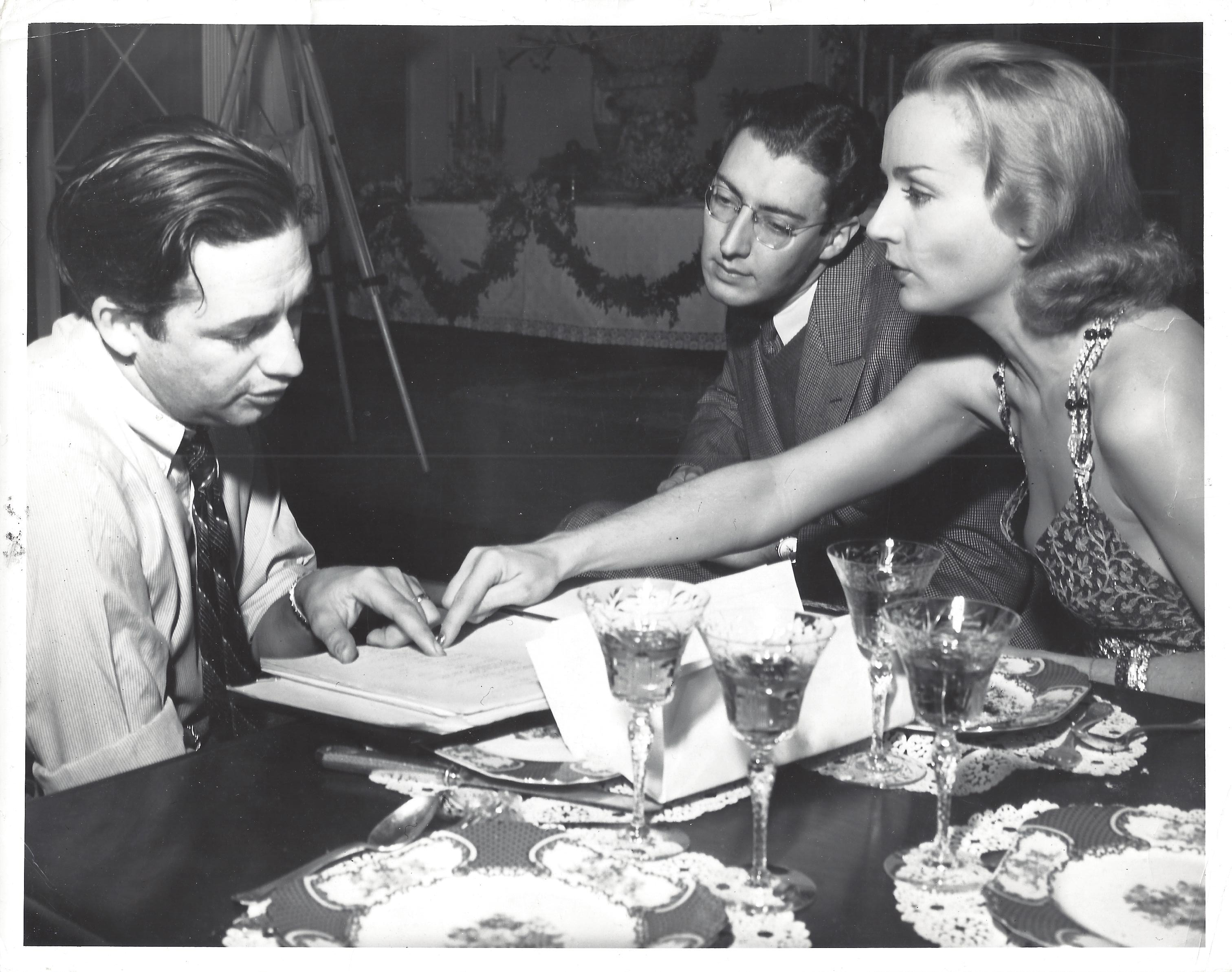
Lombard arguing script with director Mervyn Leroy in 1938. And no wonder, they were making her worst picture (Fools for Scandal) at Hollywood’s unfunniest studio, Warner Bros.

If she truly had gone the debauched way of, say, Talullah Bankhead, she could have slipped behind the camera as did Ida Lupino to direct features or television. She was whip-smart at the business end of Hollywood—witness the fact that in 1937 she was the highest-paid star in town without a resume to back it up.

I like to think, looking back on this anniversary, that Carole Lombard had another 40 years in her at least as a triple threat—actor/director/producer. Unfortunately, she gambled it all on the flip of a coin and lost. No, really, she flipped Winkler for it, heads the plane, tails the train. Let that be a lesson to all of us: There are consequences when you least expect them. If only you had taken that train, Carole, so that we could all have enjoyed six or eight seasons of The Carole Lombard Show, which would still be running today on MeTV.
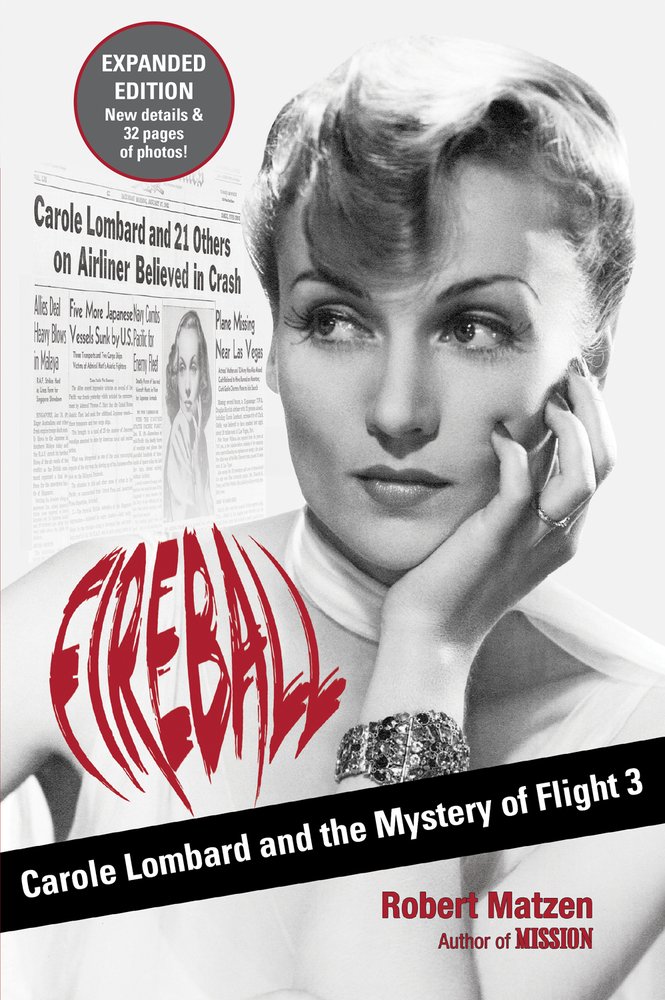
Fireball: Carole Lombard and the Mystery of Flight 3 is available at bookshop.org, barnesandnoble.com, and Amazon.com. The audiobook was read by the incomparable, award-winning Tavia Gilbert.
Paris When It Sizzled … and Fizzled

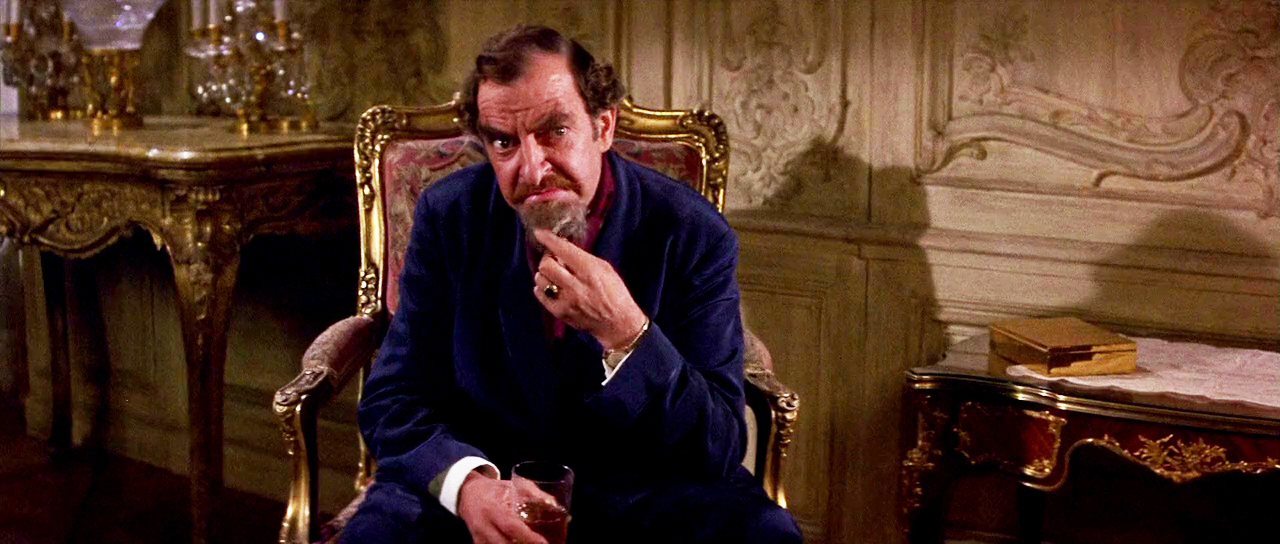
The awesome Hugh Griffith as Audrey’s art forger father.

When you hear the name Audrey Hepburn, what films come to mind? Quick! Don’t sit and think about it—rattle them off. Breakfast at Tiffany’s, right? Sabrina? Roman Holiday? Then what? Charade, the pretty good homage to Hitchcock? My Fair Lady, although that’s so much less an Audrey picture and more a Broadway musical. She made so few pictures, so shockingly few, and there was seemingly no rhyme or reason to what she agreed to star in. How does this girl go from Sabrina to War and Peace? Then to Love in the Afternoon as the romantic interest for a man twice her age who looks three times her age. Then to a weirdo picture like Green Mansions and an unexpectedly deep The Nun’s Story, followed by the depressing western The Unforgiven. And then, after the offbeat Breakfast at Tiffany’s, she makes the masochistic (for all involved) Children’s Hour. I’m whiplashed! Sorry, Audrey, but, I just don’t understand what your agent was thinking. If I had to guess, I’d smell a rat named Mel Ferrer (Audrey’s hubby), who never met a decision he couldn’t screw up.

Granted, Audrey came along at absolutely the wrong time to become a Hollywood star, in the early 1950s when television delivered unrelenting body blows to the motion picture industry. Hollywood had been humming right along through the war until infected by the small screen, the boob tube, the vast wasteland. Suddenly everything looked like Monogram or Republic or PRC in terms of production values as Hollywood was churning out 39 episodes of TV junk a season. All of which left the stars scrambling to find big-screen releases worth making. Suddenly it was a crazy game of musical chairs where the stars went from the luxury of 300 chairs in 1946 to 30 chairs by 1956, which left many falling on their asses.

That’s your backdrop, which makes Audrey’s 1966 feature, How to Steal a Million, such a treasure. Granted, for me, it’s a personal crossroads since I wrote two books about Audrey, and I get excited to see Fernand Gravet, who appeared in my book Fireball about Carole Lombard, and Marcel Dalio, who appeared in my book Season of the Gods about the making of Casablanca, and Hugh Griffith, who would later appear in Start the Revolution Without Me, a crazy sendup of my favorite author, Alexander Dumas. And the whole thing takes place in Paris, one of my favorite cities. For me, How to Steal a Million is like Ralph Edwards popping in to shout, “Robert Matzen, This Is Your life!”

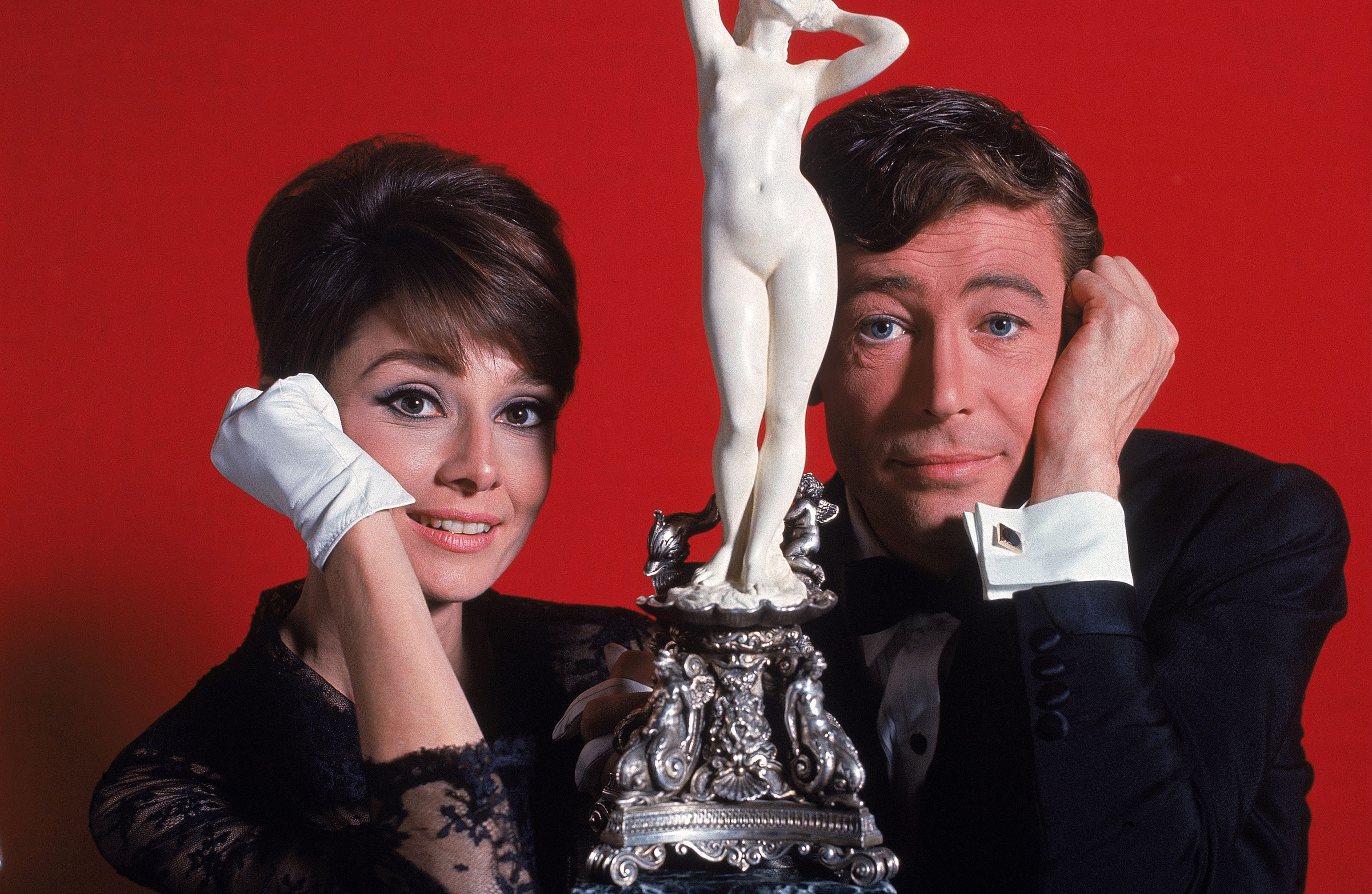
The stars of the show, Audrey, Venus, and Peter.

Why is it exactly that How to Steal a Million isn’t mentioned in anyone’s first breath when asked about a favorite Audrey Hepburn picture? I don’t understand it. On the Dutch Girl book tour, I was asked a dozen or more times to name my favorite Audrey movie and of course there’s Roman Holiday, but How to Steal a Million is right up there beside it. Both were directed by William Wyler, Audrey’s favorite taskmaster. Truth be told, she was a moth to flame when it came to domineering men, both personally and professionally. None fit that bill in her personal life better than Ferrer, a brittle and insecure man that she shed herself of much later than she should have.

Professionally, she knew she needed a firm hand at the tiller because she didn’t believe in herself as an actress. She said so time and again. “I’m not an actress; I’m a dancer.” She talked down her acting skills so loudly and so often that it sounded like false modesty, but, believe me, in her case it wasn’t. She hadn’t sought an acting career; she hadn’t come from the stage. She began to accept walk-on movie parts in England in 1951 and 1952 because she needed to eat and she had a mother to support. It was never out of burning ambition. There was an inevitability about her screen success because she fit a type that Hollywood had been lacking and possessed unique qualities that have kept her at the forefront for 75 years and counting, more than 30 years past her death.

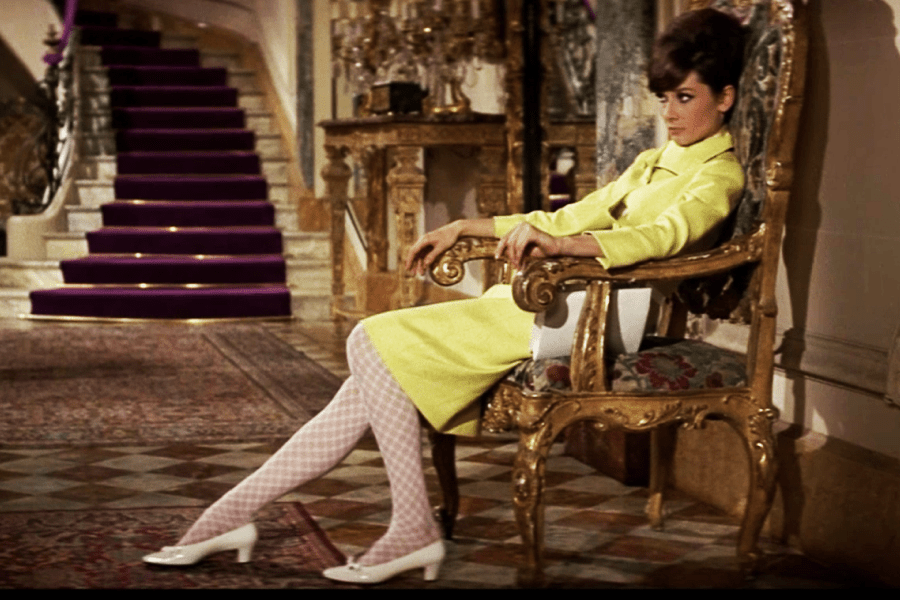
Audrey at the height of her game, age 36, in Givenchy.

In Roman Holiday, you can’t see it in the final print, but she spent her time in Rome a duck out of water. William Wyler wrenched that performance out of—and created—Audrey Hepburn. She was clay; he molded the clay. “He discovered me and nurtured me,” said Audrey of Wyler. “He was very protective of me.” Thirteen years and 13 pictures later they reunited for How to Steal a Million, the story of Nicole, who hails from a line of art forgers. She must find a way to steal her grandfather’s knockoff of Cellini’s Venus from the Kléber-Lafayette Museum before it can be examined and proved a fake. Peter O’Toole plays Simon, her unlikely but highly competent confederate and love interest.

Watching these two in this story is like sitting down and eating an entire Whitman Sampler without worrying about getting fat. It’s a treat, it’s delicious, and you just let yourself go. The story is charming; the characters are charming; the actors are charming. Every exterior is spectacular because it’s Paris—Notre Dame, the Latin Quarter, the Seine, the Louvre, the Musée Carnavalet.

And that dialogue, just, Wow. Nicole mentions that she’s going on a date with a rich American art collector. Her father—an art forger like his father—says offhandedly that he had sold this American a Toulouse Lautrec painting. Alarmed, she says, “Your Lautrec or Lautrec’s Lautrec?” He replies, “Mine, naturally.” When she groans, he grows offended: “Are you implying that my Lautrec is in any way inferior?” Bug-eyed Hugh Griffith is such a grand actor and perfect as her father the forger.

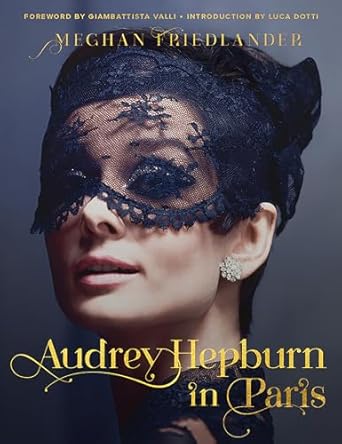
During the heist, Nicole is to dress as a scrubwoman, and when she asks why, Simon, her confederate, says dryly, “Well, for one thing, it gives Givenchy the night off.” Hubert de Givenchy, of course, being Audrey Hepburn’s designer of choice. In this picture, he created 24 outfits for her, none so spectacular as the black number with a black lace eye mask that’s featured on the cover of Meghan Friedlander’s excellent book, Audrey Hepburn in Paris (with an introduction by my pal Luca Dotti).

There are a few clinker moments in How to Steal a Million, some bits of business that fall flat, just a little here and there, like when you think you’re biting into a buttercream and it turns out to be lemon instead. These bits hint to me that Wyler wasn’t sure he was getting gold when time proves he was. Don’t cheapen the proceedings, Willy. Just create your masterpiece.

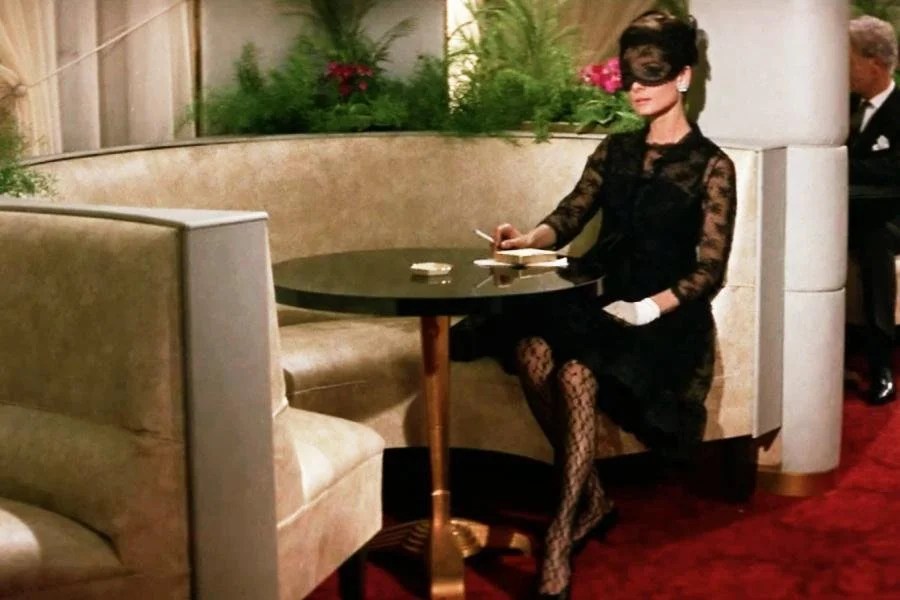
The black number, with the lace eye mask, when Nicole tries to be mysterious at the Ritz and solicit Simon for a “heist.”

Word to the wise: Don’t get How to Steal a Million confused with a clinker of a picture Audrey had made three years earlier called Paris When It Sizzles. Yikes what a disaster that one was. When your leading man (William Holden) has been carrying a torch for you for 10 years and you’re married with an omnipresent husband, that’s bad. When the leading man shows up drunk to the set most days, requiring an eventual intervention, that’s worse. And Holden was just one of the problems plaguing production to the extent that Paramount Pictures hid the final cut in the vault for two years with the knowledge that when they were forced to kick it out of the nest and into the world, Paris was going to fizzle. And it did.