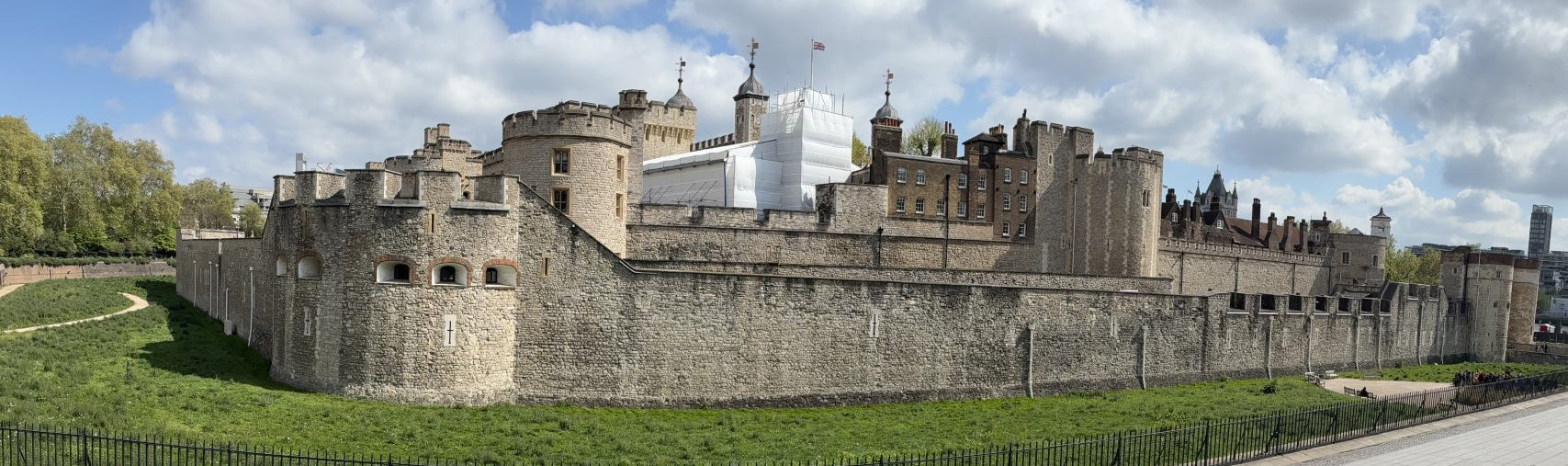
Visiting London this past spring had a practical purpose—research for my latest book. While there, I wanted to visit the Tower of London on its reputation alone. How could the Tower of London be anything but a historian’s dream? Well, yeah, it is, but in the end I have to say, no thanks. First of all, let’s clear up some confusion. It’s not as if you go to a place and look up and there’s a tower. A bloody tower. The Tower of London is a complex of buildings that encompasses inner walls and outer walls and outer-outer walls built over centuries around the White Tower, the original castle on the hill built by the new Norman King William (the Conqueror) in the 11th century to intimidate the population he now commanded. Roaming this medieval complex set off the film lover in me as I returned home to revisit pictures I’d seen in the past and experience others I had too long overlooked.
On the Tower of London tour, I gazed upon the spot where Essex was beheaded by order of Elizabeth I and boy, was that powerful. It’s just a patch of grass and some historical markers, but in my mind I played the scene where Flynn climbed the scaffolding, kissed the ring Bette had given him, and bravely met his end.
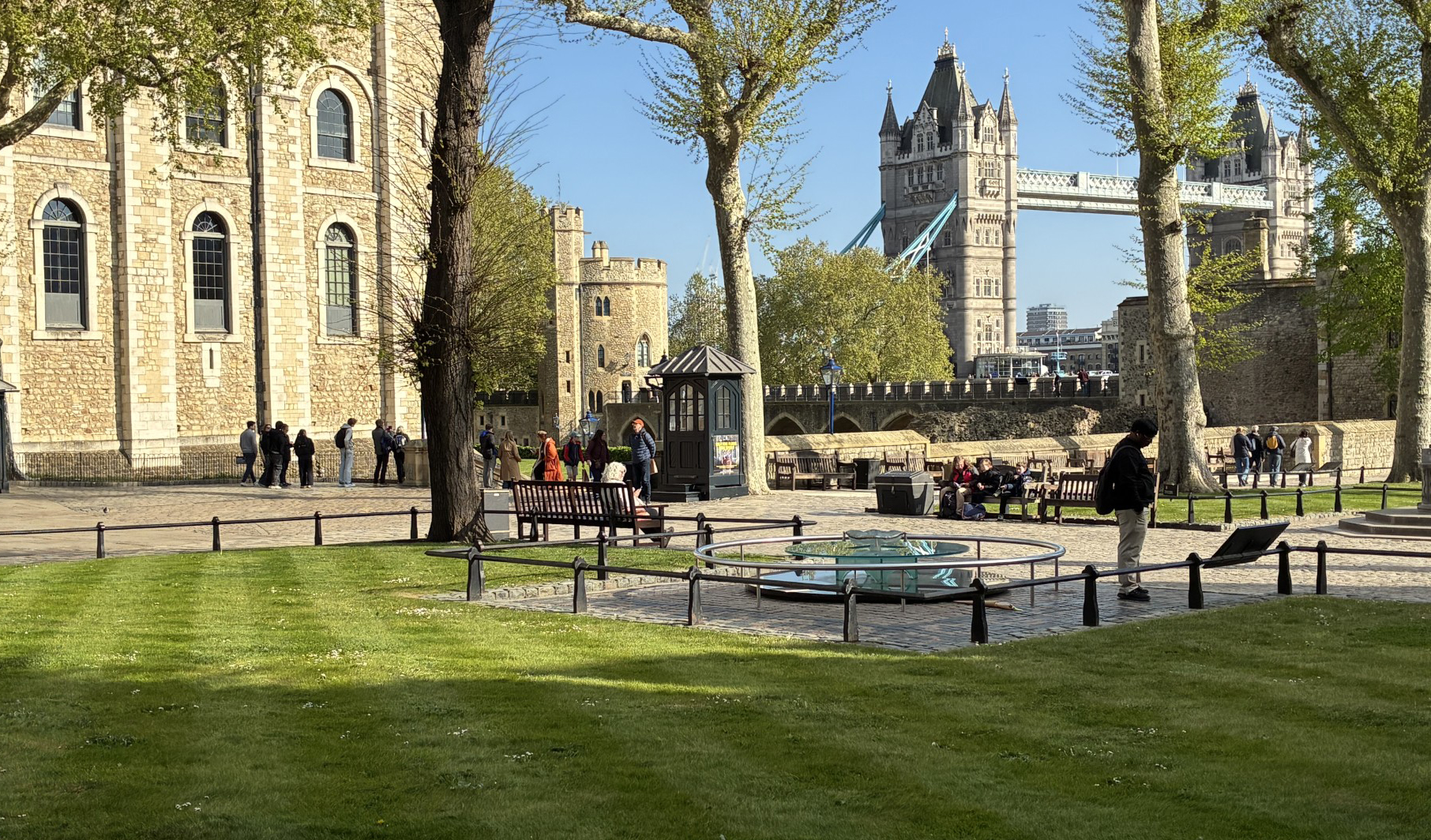
But what about Anne Boleyn? What about Sir Thomas More? What about Mary of Scotland? The beefeater tour guide mentioned all these famous people who had been imprisoned in the Tower of London, and I needed to learn more about the history of this place and so we watched Anne of the Thousand Days, A Man for All Seasons, Mary, Queen of Scots, and finally, Tower of London with Basil Rathbone and Boris Karloff.
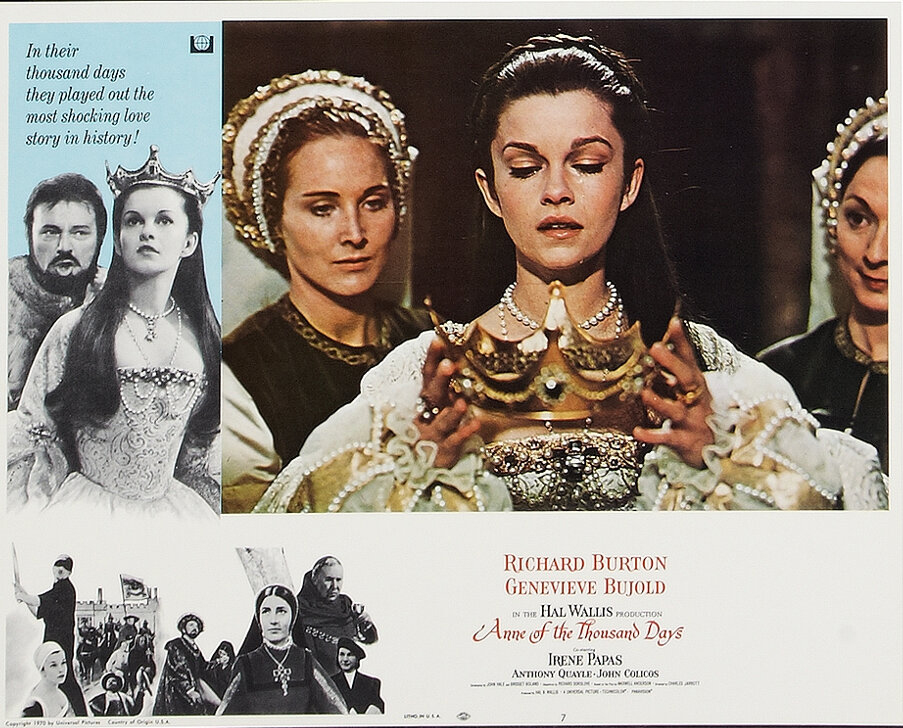
I was reminded with each of these pictures that vengeful autocrats like those today are nothing new. It’s shocking the number of beheadings in British history and the reasons why noggins rolled. In the Hal Wallis-produced Anne of the Thousand Days, I rediscovered how the Church of England began—because Richard Burton’s Henry VIII wanted to divorce his wife, Catherine of Aragon, who had failed to deliver to him a male heir, so he could plow the presumably more fertile ground of hottie Anne Boleyn, played by Genevieve Bujold. I mean, I had learned about this stuff in grade school, forgot it, and was now appalled: You mean to tell me the Brits broke from the Catholic Church over eggs and sperm? But, wait a minute, the whole idea came a cropper anyway because after a couple of years, King Henry grew tired of Queen Anne, especially after the child she bore him dared to be a girl, and so Henry had Anne Boleyn—you guessed it—beheaded.
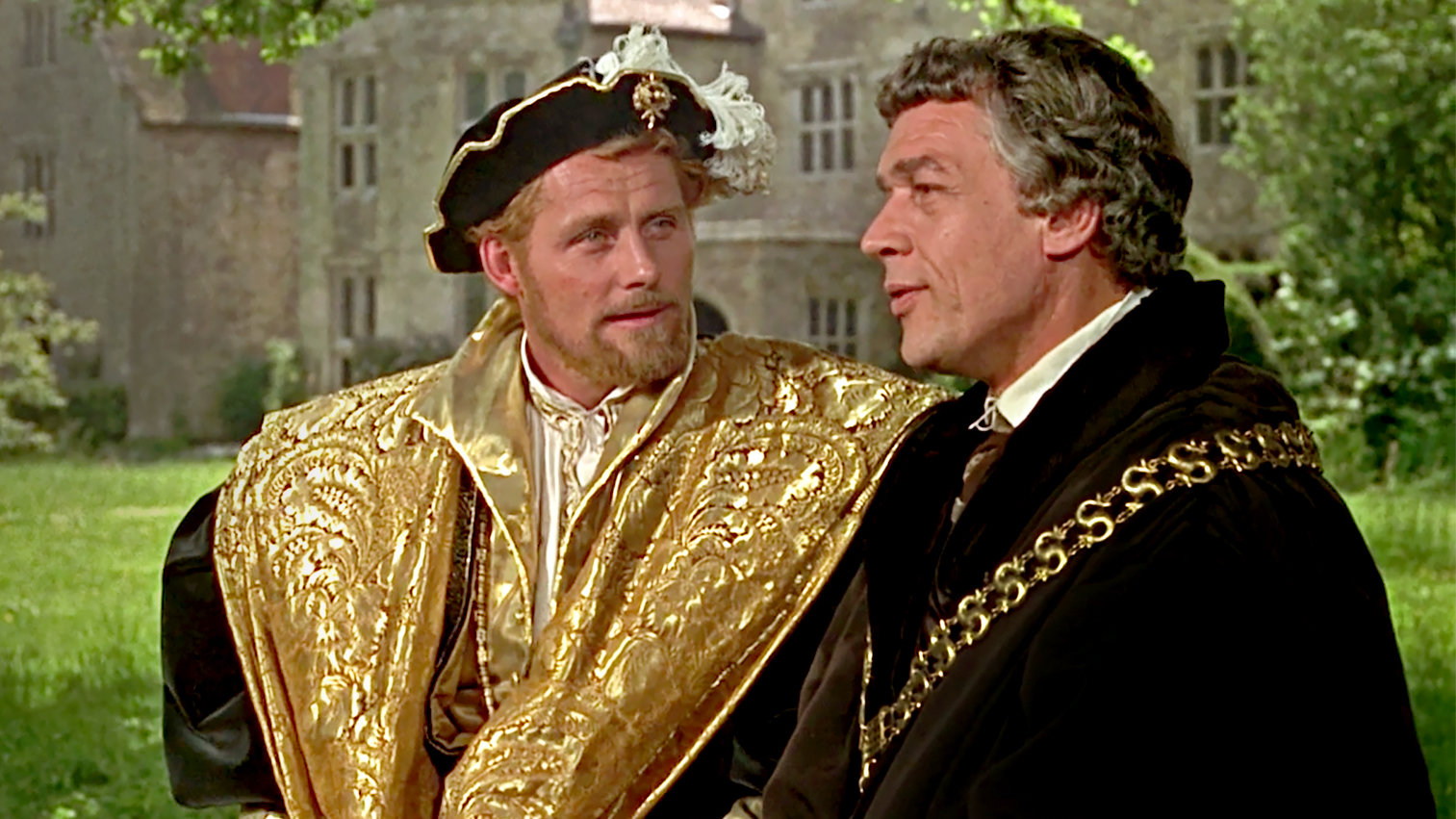
In A Man for All Seasons, we learn that Sir Thomas More (Renaissance author, philosopher, statesman, and seemingly the only principled man in a hundred years and four films) dared to stand in Henry’s way and not agree to this Church of England eggs-and-sperm nonsense and so he also lost his head. What a depressing picture that one is as More—portrayed in Academy Award fashion by Paul Scofield—is gradually stripped of his lands, power, and family. As an aside, the performance by Robert Shaw as Henry VIII is thought to be among the most historically accurate as it presents a man at his physical peak and capable of equal parts charm and ruthlessness.
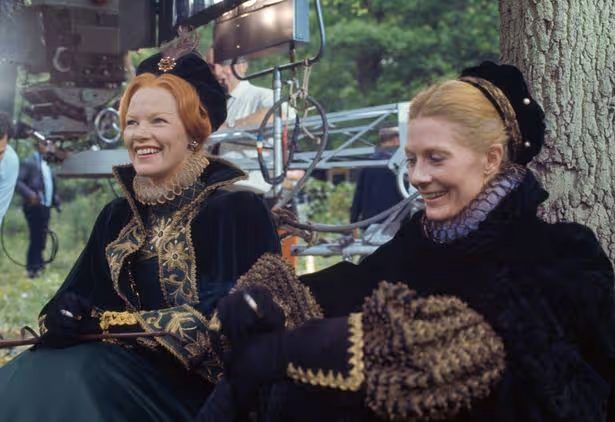
Then on to the next generation in the 1971 Hal Wallis version of Mary, Queen of Scots, with Anne Boleyn’s daughter Queen Elizabeth I, played by Glenda Jackson, opposing Mary of Scotland played by Vanessa Redgrave. If you want to spend a couple of hours watching a woman make every bad decision possible, tune in to this one and experience fickle Mary. Spoiler alert, her terrible decisions pile up and another head rolls, but at least the score by John Barry is pretty.
The story of the real Tower of London is all about pain, imprisonment, and untimely death. I roamed the grounds expecting tortured souls to scream in my ears, but, alas, you can only hear the cawing of the occasional raven from a carefully tended flock that has lived there for centuries. One of those black birds hangs out on Boris Karloff’s shoulder in Tower of London, the last of the four pictures consumed after visiting the real site.
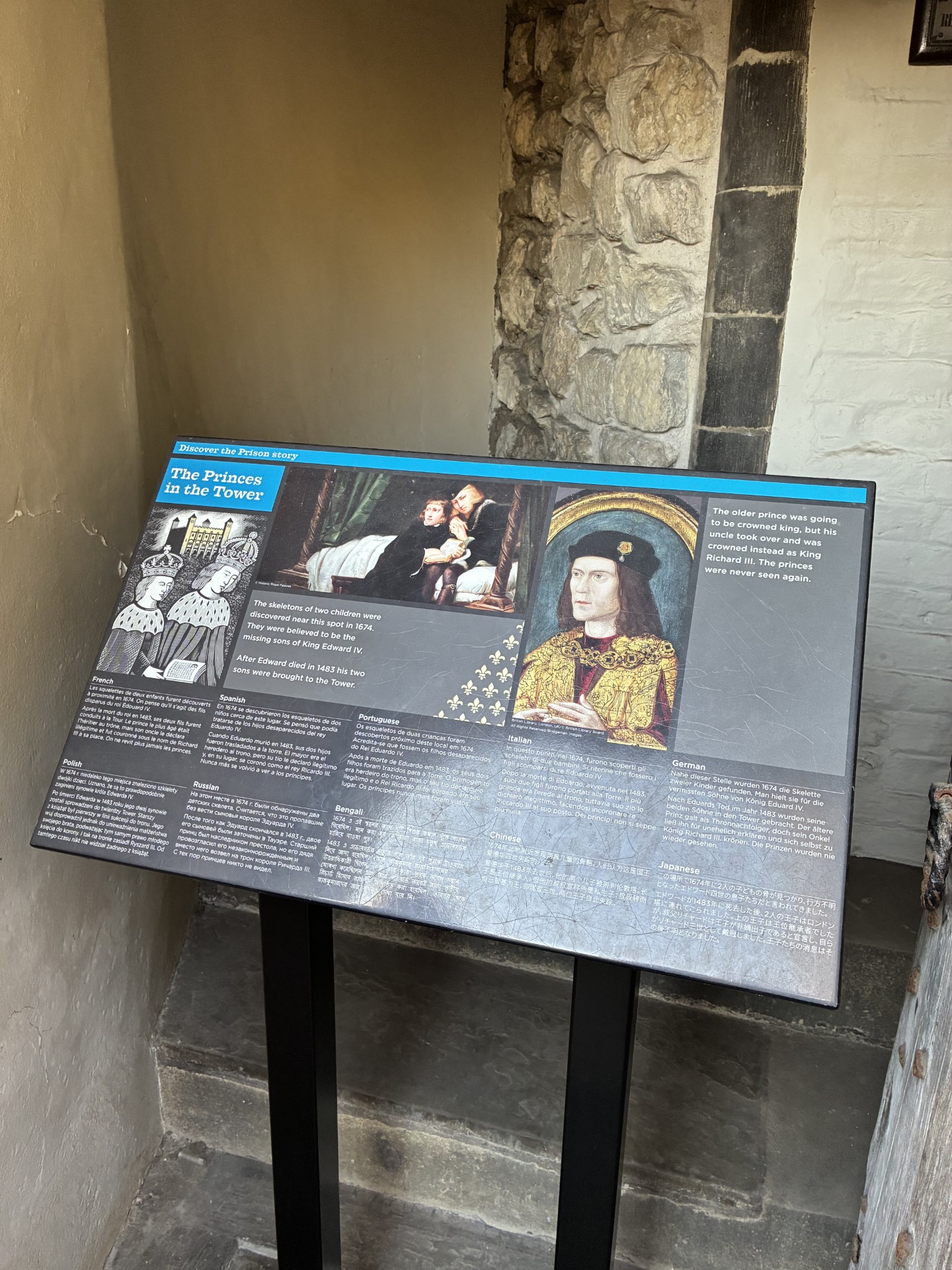
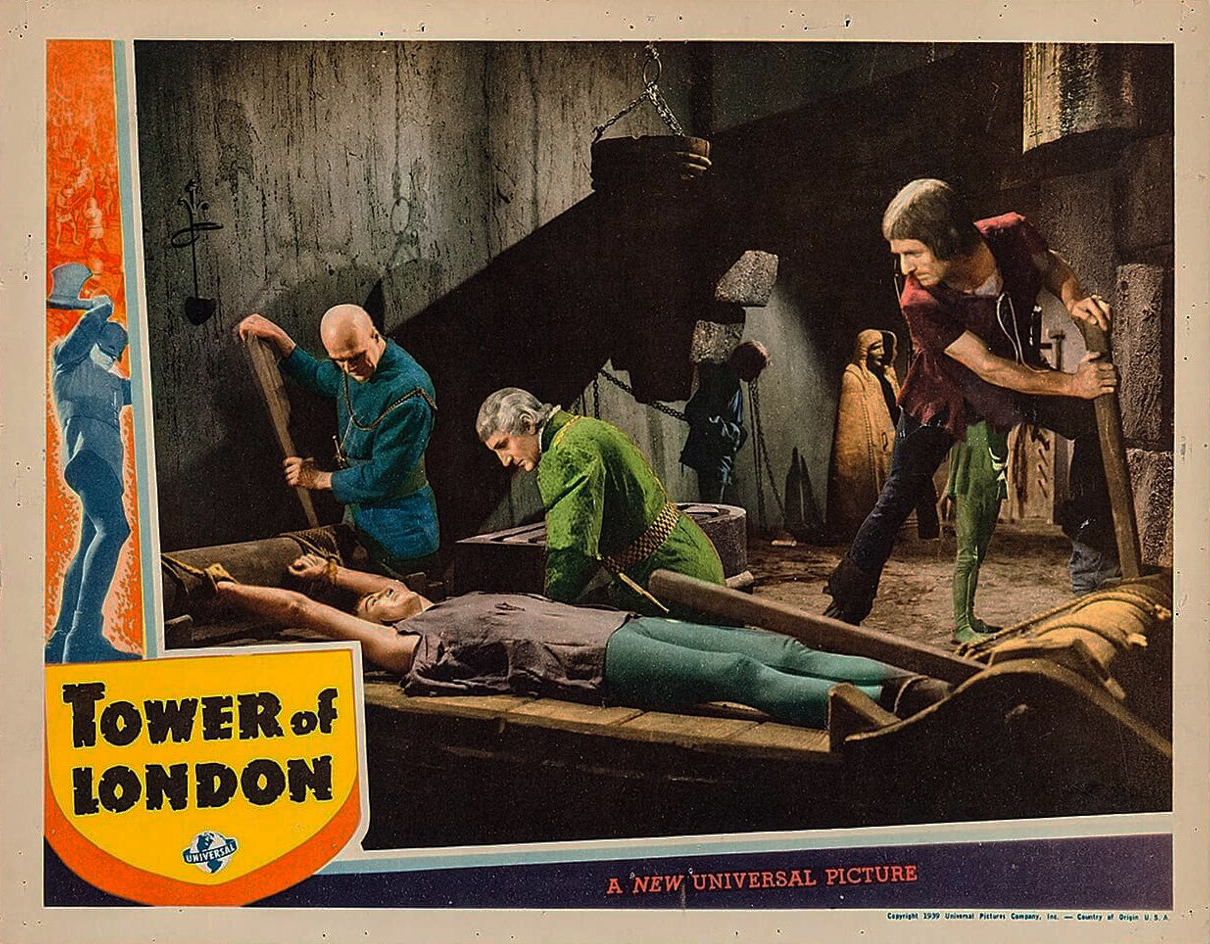
Tower of London, a Universal Picture made late in 1938 around the time of Son of Frankenstein, has a creep factor to match Dracula as it lays bare the horrible nature of medieval nobility, their ceaseless ambitions and unchecked murderous impulses. In this case, the plot covers the decline of the Plantagenets, including the machinations of the Duke of Gloucester, who becomes Richard III, played by Basil Rathbone, to murder the young sons of Richard’s older brother Edward IV, played by Ian Hunter. The depiction of assassins bursting in to murder boys age 12 and 9 in their beds is shocking and more obscene than anything caught and rejected by the Breen Office. But that’s history for you. Specifically, that’s British history for you. Daggers in the back, heads lopped off aplenty, and children murdered by men three times their size. Rule Brittania? I guess. But pardon me if I don’t wish to revisit medieval England or the real Tower of London anytime soon.
Note: Be sure to check out the website of newly formed CHEA–the Cinema Heritage Education Alliance–for film-related news and educational content.


Things were tough in those days.