TWA Flight 3 Lombard

Hedge Hopping

Fireball: Carole Lombard and the Mystery of Flight 3 by Robert Matzen

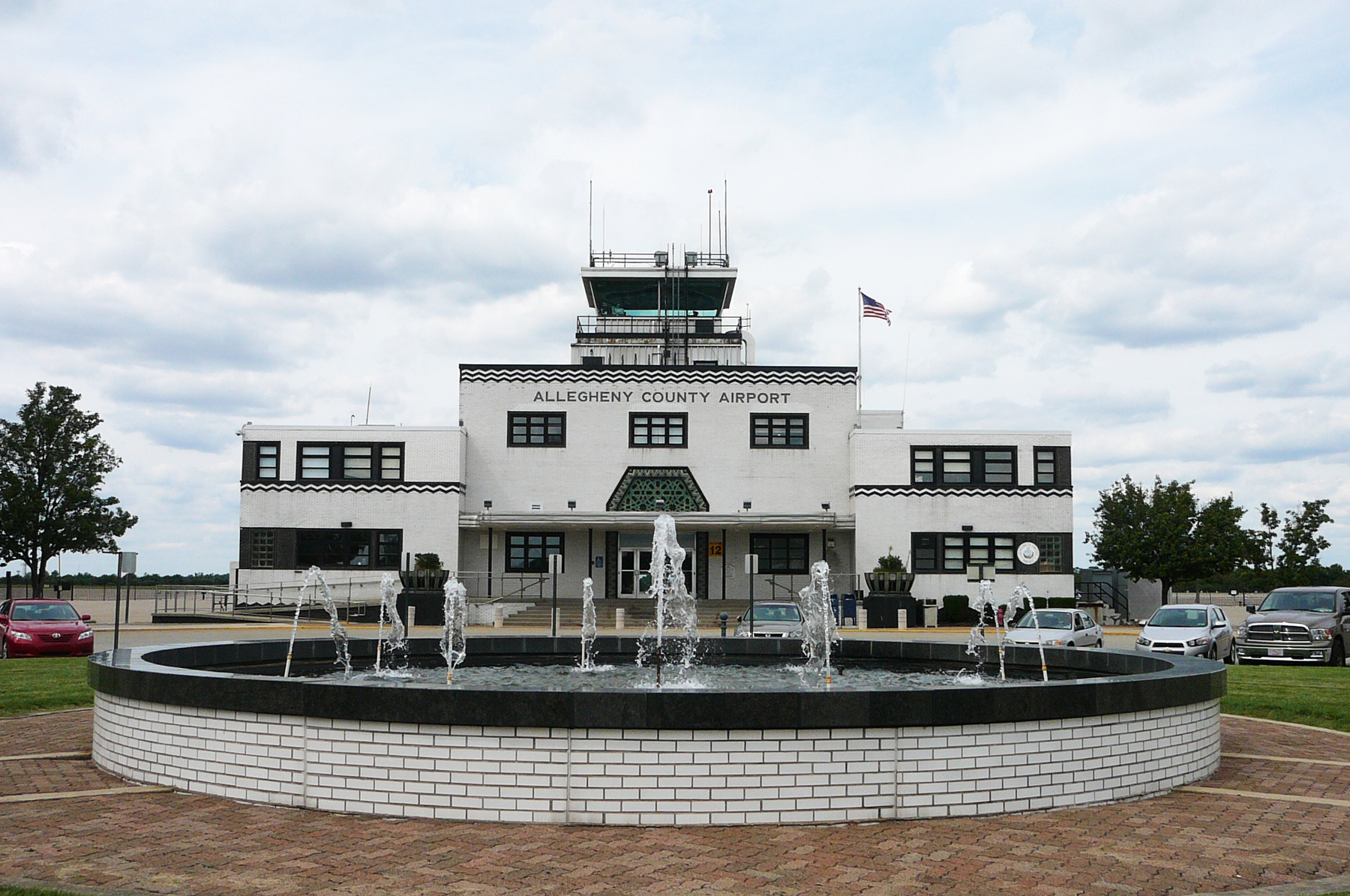
This postcard, circa 1940, shows TWA airships at the gate of the Allegheny County Airport. On its last voyage, TWA Flight 3 taxied into position here; 18 hours later it crashed in Nevada.

Understanding the nature of commercial aviation as it existed in January 1942 proved to be, for me, one of the eye openers of the Fireball narrative. In Q&A following my lectures, people often assume that the plane on which Carole Lombard died along with her mother Elizabeth Peters and MGM press rep Otto Winkler was a charter, and they’re surprised to learn it was a regular commercial flight, and a transcontinental flight at that.

We think of transcontinental air travel today as five tedious hours spent motionless in a first-class or coach seat, headphones on, dozing the time away, or working on laptops or reading. New York to L.A. in upwards of six hours, depending on headwinds. L.A. to New York in about five. In 1942 the term “transcontinental” was a lot different. Instead of a nonstop or perhaps a stop for a connector, it took 10 or 12 stops to reach one coast from the other. Up and down, up and down endlessly, landing one or two times per state as the plane progressed cross-country with stops to refuel and/or pick up and drop off passengers and all-important airmail.
Fireball: Carole Lombard and the Mystery of Flight 3 by Robert Matzen

The Allegheny County Airport, unchanged in outward appearance from its 1936 expansion.

The DC-3 itself was a fabulous plane and so dependable that a few still fly today, almost 80 years since they first rolled off the assembly line. Passenger versions seated up to 22 comfortably, with the word “comfortable” being entirely subjective. In an unpressurized cabin, which the DC-3 featured, you were at the mercy of a) the ambient air temperature—except for a cabin heater controlled from the cockpit and b) the roar of two very loud engines just three feet on either side of the fuselage. The glamour and luxury of transcontinental travel in Carole Lombard’s day, in fact, hurt. It hurt your flesh; it hurt your back; it hurt your ears. Cruising altitude would be 9,000 feet above terrain if they could get away with it or 12,000 in mountains. Think of the ear popping in that unpressurized cabin. Think of the climate as you would routinely be subjected to temperatures 30 or 40 degrees colder at altitude than on the ground.

After a couple of hours in the air, you were begging for relief, and you knew it was coming; it was always coming with all the takeoffs and landings. And that’s our story for today, boys and girls, the state-of-the-art airport terminal of 1942. I am lucky enough to live about 20 minutes from just such a building, the one that used to service Pittsburgh until being replaced by a much larger facility in 1952. Because the new Greater Pittsburgh Airport was placed 15 miles west of the city, there was no need to tear down the old terminal located closer to the heart of Pittsburgh. Instead, it became a secondary hub of aviation activity and continues to serve Southwestern Pennsylvania today.
Fireball: Carole Lombard and the Mystery of Flight 3 by Robert Matzen

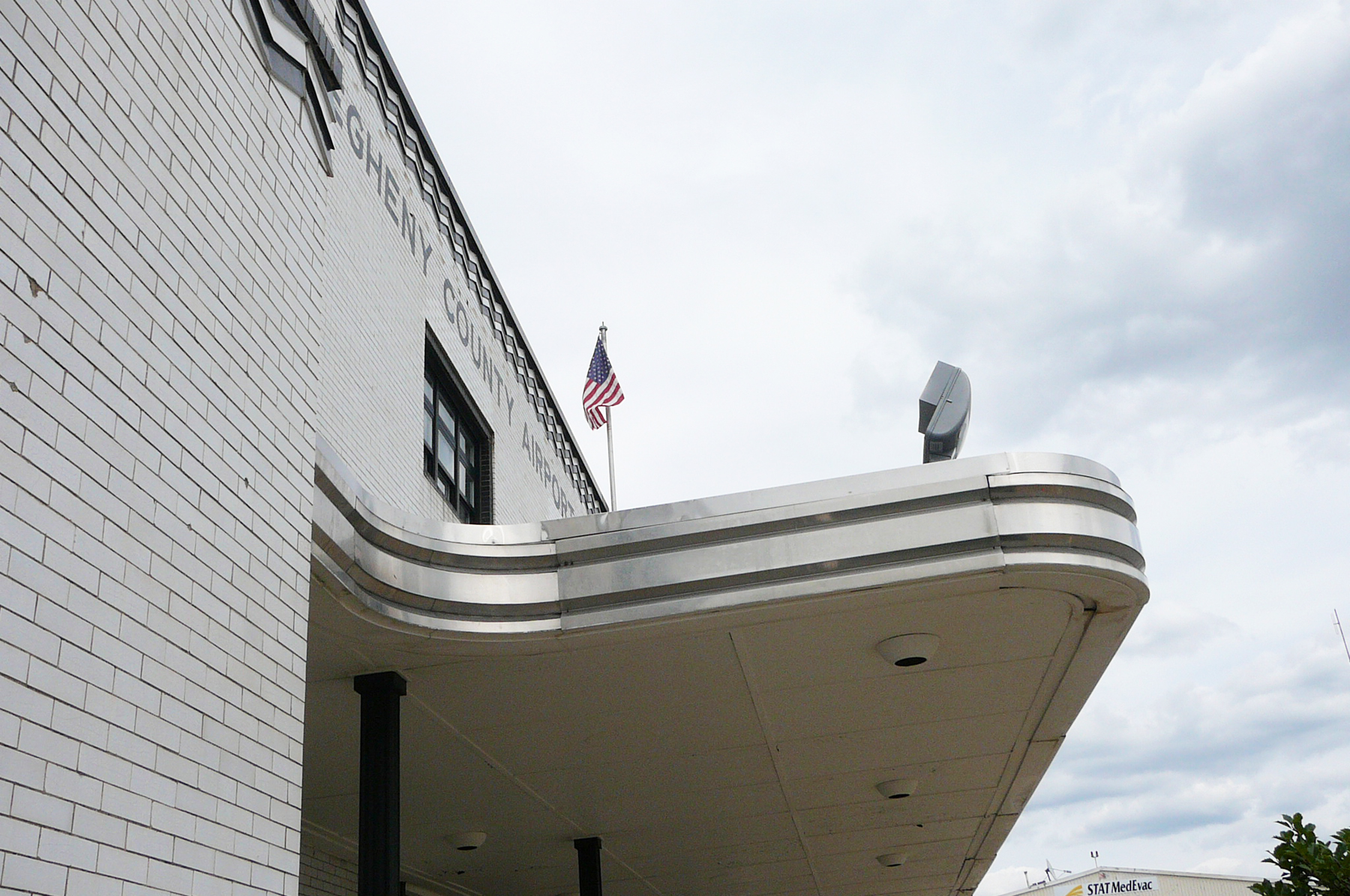
Vintage 1930s touches like stainless steel trim remain in place.

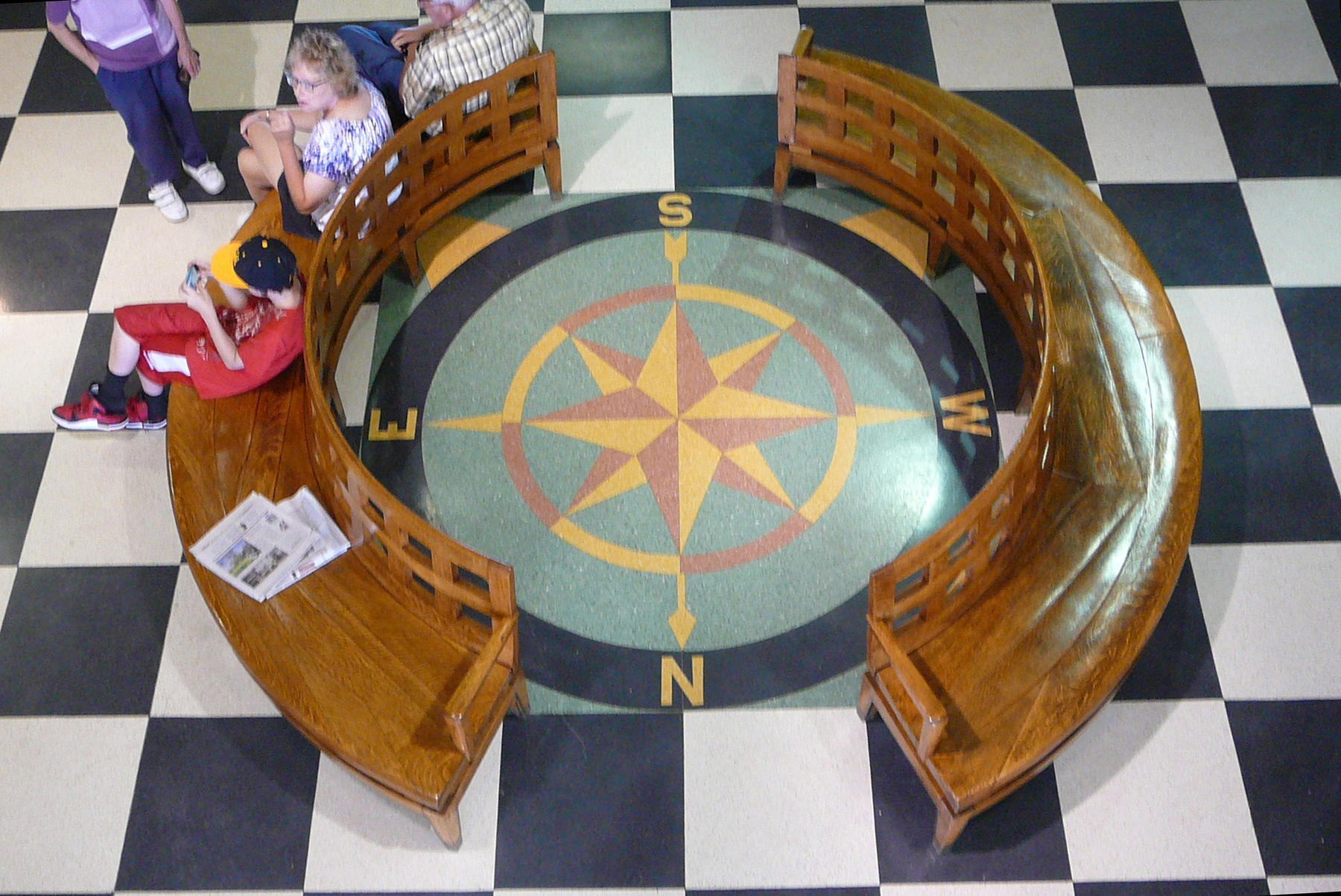
I’m no architect, but to me, the Allegheny County Airport terminal is an Art Deco masterpiece, built in 1931 with wings added in 1936. Many original design features remain intact, from intricate tile work to stainless steel accents and art deco lettering for the Waiting Room and Office. The original wooden benches are still in place along with the original compass set into the floor. Can’t you see men in suits and women in furs sitting there waiting to board the next flight out? I wish I could find vintage interior views to glimpse the restaurant, ticket desk, and souvenir stand as they existed in 1942, but I haven’t been able to locate any.

Readers of Fireball may remember that this airport was a stop for Flight 3 on its last voyage. The plane had taken off from LaGuardia and stopped at Newark before landing here and taxiing to the gate. From Pittsburgh the TWA airship headed west to Columbus, Ohio, and after that Indianapolis, where Lombard’s party boarded. At each stop stood a facility just like this one, offering temporary sanctuary from the rigors of air travel.

Upon completion in 1931, Pittsburgh’s airport was the most modern in the world and boasted by far the most paved runway area. Presidents and movie stars roamed this floor and the place buzzed with activity in World War II. Literally. All dignitaries and celebrity traveling from the American heartland to and from New York City stopped and stretched their legs here. It’s a building that’s drawn my eye from earliest memory—every time my parents would drive by, and then every time I would as well. I certainly hope the building is haunted. Then again, how could it not be given all the history it holds?

Fireball: Carole Lombard and the Mystery of Flight 3 by Robert Matzen

Original lettering for the Waiting Room and Office evoke a bygone era.

Fireball: Carole Lombard and the Mystery of Flight 3 by Robert Matzen

A single room served passengers for several major airlines. In an alcove to the right was the small restaurant. Original 1930s wooden benches remain in place, including one that looks out on the tarmac.
Fireball: Carole Lombard and the Mystery of Flight 3 by Robert Matzen

Passengers always knew which was way up–as well as north, south, east, and west, at the Pittsburgh air terminal.

Fireball: Carole Lombard and the Mystery of Flight 3 by Robert Matzen

Even the planters flanking the building’s entrance tie into the aviation theme. The green tile work matches inlaid tile accents on the building exterior.

Scratch

Almost every day since the book’s release in January, somebody somewhere has commented on the extensive research in Fireball, and I’ve been gratified to learn that my dumpster dive into federal records accomplished its goal, as did long hours spent sifting through existing histories and biographies, newspapers, unpublished manuscripts and interviews, birth and death records, military archives, and conversations with participants and relatives of participants in the story. Oh, and a day spent eating dirt, getting stuck on cactus, and bouncing off boulders on Potosi Mountain. And other days spent walking in the footsteps of people in the narrative. When it was over I understood Carole Lombard and Clark Gable at the molecular level and also had learned about others critical to the story, from the stewardess on Flight 3 to the miner and ex-football star who led the charge up the mountain.

But that was then. It’s a good thing when you are the author of a book that gets positive reviews and that people really like. There’s gratification; there’s also pressure every time somebody says, read Fireball, loved it, big fan, what’s next? Well, thanks! And, uhhh, I dunno.

Fireball: Carole Lombard and the Mystery of Flight 3 by Robert Matzen

Oh, great, another mountain to climb. In case you are wondering, the Flight 3 crash site is along the ridge line, dead center from left to right, a few hundred feet below the crest.

It’s all organic, man. It comes from luck, or inspiration, or usually from a particular friend saying, “You know what would make a great idea for a book?” And that friend did it again two months ago, planting this seed in my brain. At first I think, no, that’s no good. It’s been done, or I can’t get at that story, or something similar, but then the damn seed starts to sprout and before long I’m believing that, yes, he’s right again. This is a story. I’m going to tell this story.

Friends, readers, I’m starting my next book. It’s a new day and a new ballgame. It’s not even the top of the first inning and the umpire isn’t about to shout, “Play ball!” [Reference to American baseball, global readers.] It’s not even time for spring training, really, because first comes determination of the theme of the book, what I’m writing to, what tone to set, how the narrative will sound, and even more basic to that, who are my characters? I’m in that nebulous period where I’m learning about the world I’m going to be inhabiting for a year or two. I’m reading existing works and visiting web sites. Just now I was reading a biography on the couch and Francois, my ten-week-old black kitten, jumped up on me and asked, “Whatcha readin’, Dad?” and before you know it, we were both asleep on the couch. So I can report that this phase is rather pleasant so far.

I’m not ready to announce what the book is going to be about, except to say it’s another World War II story with an aviation theme and part of it is set in Hollywood. (Tom, you’re a bright fellow. If you guess what the story is, please don’t blurt it out.) It’s nonfiction because to me the best stories are true stories where I say to myself as I unearth the facts, “You couldn’t make this stuff up.” Research is going to put me back in D.C. and back in Hollywood, but it’ll also require a trip to England and possibly to France and Germany and this time I’m going to have to be sifting through German records and lots of them. Sprechen sie Deutsch? My high school German teacher, Miss Diamond (who I had a crush on, but, don’t tell), would be the first to report, no, Robert does not speak German. That’s going to be a handicap to my enterprise because one thing I’m certain of is, this story is going to include a civilian’s-eye view of life on the ground in Germany during the latter phases of World War II. It’s one story line in what will no doubt be many story lines.

It’s daunting to be at this point in a book. Way down the road, I know I’m going to be holding three pounds of bouncing baby … hardcover, but in the meantime everything is squishy and Unknown. I have no idea where I’m heading. I don’t know how I’ll get there. I don’t know what I’ll discover along the way. Worst of all, I don’t know what makes my main character tick. I hate not knowing, and there’s so much mythology grown around this character that I already have a healthy dislike. Just like I had with Gable. I tell myself that it’s OK, the Gable thing worked out, and now he and I are friends and I pay my respects at his grave and everything.

Today’s confession is that I hate new people. My lifelong friend and former co-worker, Helene, would tell you that. Oh, Robert hates new people. Anytime somebody new came on staff at the company where we both worked, there was a period where I didn’t like them until I got a handle on them and then it was usually OK, except of course when it wasn’t. So now I’m at the stage where, based on everything I know so far, I don’t like this new person I’m going to write a book about. But when you’re in close quarters with someone for a long period, the ice gets broken somehow, and I’m counting on the fact that it’ll happen here. We even have some things in common, so what the hell am I worried about?

There, I’ve said it: I’m starting a new book. Monkey off my back. That’s on the one hand. On the other hand, this autumn I’m back in the saddle pitching Fireball and so coming and going, it will be an interesting time. Keep your eye peeled for dispatches from the front, which will all be delivered here at this address a couple times a week.

The Crawford Touch

Fireball: Carole Lombard and the Mystery of Flight 3 by Robert Matzen

George Hurrell captured a portrait of 1942 Joan Crawford for the ‘Bride’ publicity campaign.

I had never taken the time to sit down and watch They All Kissed the Bride, the Columbia picture that Carole Lombard was supposed to make after her return from the bond tour to Indiana and the one she would never make because she didn’t return from the bond tour to Indiana. I’m not going to go into depth about They All Kissed the Bride because I want this column to be about more than movie reviews, and I’ve spent time on a number of movies already and there’s another film analysis in the queue.

What I’ll say is that They All Kissed the Bride is a picture that makes me sad to watch. Since it’s a Columbia Picture you don’t expect much going in because by 1942, Columbia was making comedies that were loud, silly, and for the most part starred down-on-their-luck actors.

Fireball: Carole Lombard and the Mystery of Flight 3 by Robert Matzen

The Joan Crawford of 1927 had already been Carole Lombard’s rival on Hollywood dance floors for two years.

It’s telling that this is a script Carole Lombard accepted. She was to play M.J. Drew, hard-as-nails boss of a powerful shipping corporation based in New York City. Hard as nails, that is, until she meets Melvyn Douglas, at which point she goes all weak in the knees and hates herself for it and can’t understand what’s happening to her. She thinks it must be her liver.

Screwball pictures often required convoluted plots to create appropriately uncomfortable situations and this one is no exception. The surprising thing for me in finally seeing Bride is: It would not have been a hit for Lombard. In fact, Joan Crawford is probably better in it than Lombard would have been, because Crawford of the square jaw and square shoulders comports herself like a cutthroat boss. She’s believable in the part.

The backstory of how she landed Bride is much more interesting than the picture itself. Soon after Lombard’s death aboard TWA Flight 3 just after World War II began for the United States, Joan Crawford was signed to take the lead in the picture then called He Kissed the Bride, and pledged to donate to four war-related charities, in Carole Lombard’s name, the entirety of her $115,000 salary. When Crawford’s agent took his usual percentage for lining up the deal on a picture made under these circumstances, Joan fired him.

These were fantastic gestures on Crawford’s part, and yet the intertwined lives of Joan Crawford and Carole Lombard had not been conducted on friendly terms going all the way back to the 1920s Coconut Grove nightclub, where they sweated against each other in dance competitions. Joan of MGM always had more clout in Hollywood than Carole of little brother Paramount. When Lombard landed Clark Gable, it was with the knowledge that Joan had been there four years earlier and sexually enchanted the big lug.

But at the dawn of 1942 Lombard and Crawford had something in common: They were both in career slides. The script for He Kissed the Bride proves it for both of them. It’s not a bad picture, but typical of the Columbia jobs, it jumps the shark halfway through and resorts to improbability, misperception, and pratfalls. You sit there thinking, “Joan’s better than this,” the same way you would have said, “Carole’s better than this.” Melvyn Douglas was better than this, too, but it was a living and the stars took these parts because it was work and hopefully better times lay ahead.

The turbulence of Carole’s career waters is confirmed if one looked ahead to what she had signed on for next. After working at Columbia she would be going back to Universal for My Girl Godfrey, a script so slight that it was finally released as a musical starring Deanna Durbin in 1943 after being retitled His Butler’s Sister. At this time Universal was making Ghost of Frankenstein and other B-level entertainment, and had Lombard lived, 1942 would probably have been seen as another mediocre year.

Yes, the most significant thing about He Kissed the Bride (which was retitled They All Kissed the Bride, a title that in context of the script makes no sense) is Joan Crawford’s gesture, which everyone in the industry greeted with, “That’s very Joan” because, despite her five-foot-two stature, Crawford did everything BIG. This is the same Joan Crawford who served as sexual surrogate for a destroyed Clark Gable in the months after Carole’s loss. She was there for him in her home anytime he needed, without strings, and provided some TLC, some physical relief, some moments reliving the days of their impetuous youth and wild sexual fling on the MGM lot.

It’s a shame that since the 1980s Crawford’s legacy has been reduced to grotesque makeup and child abuse. Joan’s better than this. In the barren chill of January 1942 it was Joan Crawford who stepped up and on those small, square shoulders helped relieve the burden of a devastated Hollywood that had just experienced the loss of its most beloved home-town girl.

Fireball: Carole Lombard and the Mystery of Flight 3 by Robert Matzen

Crawford, age 37, poses for another They All Kissed the Bride publicity still. Her career slide had been precipitous in the year prior to Lombard’s death, but Joan’s gestures to honor Carole and comfort Clark were instinctive, and heartfelt.

Rhett Butler, Take 2

Fireball: Carole Lombard and the Mystery of Flight 3 by Robert Matzen

A sign of trouble: too much to read on the movie posters in the lobby of the theater.

What an irony that Clark Gable’s last picture at MGM would be called Betrayed, because that’s exactly how Gable felt when the company that had ridden his back for two decades suddenly dumped him in 1954, the last of Hollywood’s Golden Era stars to be let go. Right about now he could have used Carole Lombard’s advice on “how to be a free agent.” As it was, Gable made several mediocre pictures in a row because now he was taking on scripts that had not been tailor-made to fit the King and his brand. He was just earning a paycheck. Then late in 1956 he considered an offer that must have made him smile the famous Gable smile, and for several reasons.

Band of Angels was a hot property at the time, a bestselling Civil War novel by Robert Penn Warren about a highborn Southern belle, Amantha Starr, who learns upon the death of her father that she is really a half-caste, born of his black mistress. As a result she’s chattel, loses everything, and is sold into slavery.

Warner Bros. owned the rights, and it was Jack Warner himself who reached out to Gable to play Hamish Bond, Southern plantation owner with a dark past. I imagine Pa heard Ma’s voice in his head squealing for him to take the part, how he’d be great in it, Rhett Butler all over again, his greatest triumph, the role everyone knew him for. Clark Gable back in the Civil War. It was a can’t-miss proposition, especially since Gone With the Wind had been reissued in 1947 and 1954 and still packed ’em in. Always packed ’em in.

Fireball: Carole Lombard and the Mystery of Flight 3 by Robert Matzen

Clark and Kay at the Encino ranch. She landed the King; he drank to numb the pain of it all.

Gable was expert at playing 50 shades of himself and never, once he became a star, enacted an out-and-out villain. Gable didn’t go taking risks like John Wayne just had with The Searchers because, as noted in Fireball, Clark was an insecure actor and sought to play it safe. Friends and directors alike noted his limited range and said there was a “Gable way” to do things. So Rhett Butler was going to resemble Gable and Hamish Bond was going to resemble Gable and any way you looked at it, with Gable’s Rhett aboard, Band of Angels couldn’t miss.

Fireball: Carole Lombard and the Mystery of Flight 3 by Robert Matzen

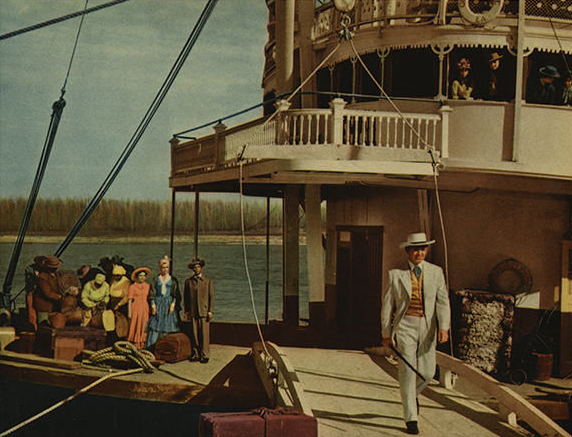
On location in Louisiana with the sternwheeler, Gordon C. Greene. This was more of the authentic Old South than even Selznick gave audiences.

Warner Bros. at the time was still a thriving studio and for the next 20 years would continue to stare down the unblinking eye of television and turn out hit pictures. Bold-as-brass Jack Warner loved the idea of luring the King to Burbank for a Civil War epic and offered him 10 percent of the net skimmed right off the top. As added incentive, all the Band of Angels exteriors would be shot on location in Louisiana, at The Cottage plantation in St. Francisville, north of Baton Rouge, and on—or in front of—the last of the old-time paddleboats, the Gordon C. Greene. The location work offered Clark and his bride of two-plus years, the former Kay Spreckels, a chance to travel together and be treated like, well, a king and his queen.

But sometimes sure things don’t work out. Sometimes planes smack into mountains for no good reason. Band of Angels was not, in the end, another Gone With the Wind. In fact, in execution and through no fault of Gable’s, it burst into flames like one of Hamish Bond’s sugar cane fields. Yes, Clark and Kay went on location, and, yes, they were treated like royalty, made the rounds, were feted, toasted, given keys to cities, and crushed by fans. Yes, Clark played Rhett Butler all over again and putting him back in sets and wardrobe depicting the antebellum South took 10 years off his appearance and son of a gun if he didn’t become Rhett Butler again. What was missing was David O. Selznick fretting and caressing and adding layer after layer of nuance, and throwing hundreds of thousands of extra dollars at the screen. Without the Selznick excesses, Band of Angels seems today almost threadbare, despite its authentic locations.

It’s hard to say when the picture’s director, “Uncle” Raoul Walsh, lost his fastball and became just another guy behind a camera. But he had lost it by The Tall Men, the 1955 picture he made with Gable, and Walsh was far more detrimental to Band of Angels. Or perhaps nothing could save a picture where the three leads are named Hamish, Amantha, and Rau-Ru. How dem dawkies love Massuh Hamish; they even sing to him in great choruses as the sternwheeler floats him on in to the dock, making this cinematic depiction of slavery problematic at best and typical of vintage Hollywood. All his slaves love Hamish Bond but one: the African child that Hamish saved from a massacre, the aforementioned Rau-Ru, who grows into firebrand Sidney Poitier in an early role. Poitier is way too sophisticated for something like Band of Angels and sticks out like a hammer-pounded thumb with all his New York, new-wave internal conflict, despising Hamish Bond and everything he stands for. Poitier, who turned 30 during production, classes up the proceedings too much. This is a picture that didn’t need class. It was bodice-ripping soap opera and needed movie stars fit to fill a frame alongside Clark Gable.

Fireball: Carole Lombard and the Mystery of Flight 3 by Robert Matzen

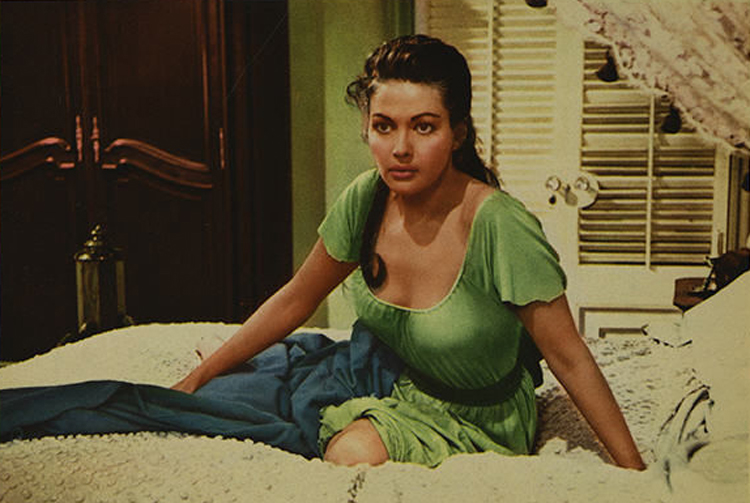
Yvonne De Carlo as Amantha Starr. Spoiler (for all of us): she survived the suicide attempt.

And speaking of what Gable didn’t have, there’s Yvonne De Carlo, a woman of so little warmth and sex appeal that when she fetches a rope and hangs herself in reel two rather than succumb to the advances of a slave trader, I cheered—and I don’t think I was supposed to.

Amantha was saved at the last minute and kept planting herself in front of the camera through the rest of the picture, giving Gable about as much to play off of as a dressmaker’s dummy. This role screamed Ava Gardner in all her sultry darkness, but posterity played a cruel joke and gave us the equivalent of Ava Gardner’s stand-in. I don’t mean to be unkind, and timing and circumstances come into play when casting pictures, but in this case DeCarlo just couldn’t infuse sympathy into this character, and sympathy was crucial.

Gable biographer Lyn Tornabene labeled Band of Angels “the nadir of Gable’s career” but I don’t see it that way. Even considering the liability of the leading lady, Band of Angels turned a slight $92,000 profit according to John McElwee of the Greenbriar Picture Shows BlogSpot. This was stout box office considering the $2.8 million cost of its production. People did flock to see Gable in another tale of the Old South, and word of mouth must have been OK or better for returns so good.

I feel for Gable as the years piled up and he coasted on reputation. He was a man of simple pleasures and little joy, lugging around guilt and grief over lost love Lombard as if bearing a lead-filled backpack. He does some nice acting in the scene where Hamish reveals to Amantha, who is now in love with him, that once he had been a villain who kidnapped Africans into enslavement. He delivers a monologue, staring off and reliving a particular dark event, and it’s effective. The moment, however, lacks a payoff because DeCarlo hasn’t established emotional parameters for us to care how she feels about the revelation. The script doesn’t help her and feels at times like a Classics Illustrated version of Band of Angels; Raoul Walsh’s lack of close-ups also saps power from this critical plot point, so much so that his decision seems to be the director’s way around Gable’s aging. The man turned 56 the second week of shooting and all the drinking, cigarettes, guilt, and grief had rendered Rhett Butler’s face into something different than audiences saw in 1939, and in more recent GWTW reissues. With the lighting and angles just right, with the sets and wardrobe and use of medium shots, the illusion works, but in a scene like the one where Hamish comes clean, dramatic tension suffers because of a lack of close-ups.

Gable made some solid pictures after this one. He was by no means out of gas and seemed to delight in poking fun at himself ever more as time went on. No, Band of Angels isn’t the picture he figured it would be, but it’s still a kick seeing self-serving, cynical Rhett Butler loose amidst the magnolias one more time.

Fireball: Carole Lombard and the Mystery of Flight 3 by Robert Matzen

Wait a minute. He’s Rhett, but she’s not Scarlett. This carefully photographed still represents the Clark Gable that Warner Bros. wanted theater patrons to see.

Note: My next column covers the 1938 Carole Lombard picture, Fools for Scandal, which TCM U.S. is airing on Thursday morning July 10 at 4:15 A.M. Eastern time.

I Love a Parade

In this case it’s a parade of good news about Fireball: Carole Lombard and the Mystery of Flight 3. I learned yesterday that the ebook version of Fireball has been chosen by Amazon as part of its June Big Deal program. This means it’s discounted from $10.99 to $1.99 from June 13 – 28, potentially opening the book up to a legion of summer beach readers who might not take the plunge at Amazon’s regular price. Please spread the word as far and wide as you can about this opportunity to get Fireball at deep discount.

Now that the book has been out there for several months, fewer reviews are appearing, but here’s one from the most recent Vegas Seven magazine, which is distributed free all around Las Vegas and represents a terrific way to expose Fireball to an international audience.

Fireball: Carole Lombard and the Mystery of Flight 3 by Robert Matzen

My PR rep, Sarah Miniaci, with a copy of Fireball at Book Expo America.

Fireball also got nice exposure at Book Expo America thanks to the team at Smith Publicity, which featured Fireball in its display. My PR rep, Sarah Miniaci, spread the word at BEA, which is the largest annual gathering of book industry professionals and this year was held at the Javits Center in New York City. I have to take a moment and thank Sarah for months of hard work and expertise, which got the book in front of millions of people via broadcast television and radio, print articles and reviews, and vast internet exposure.

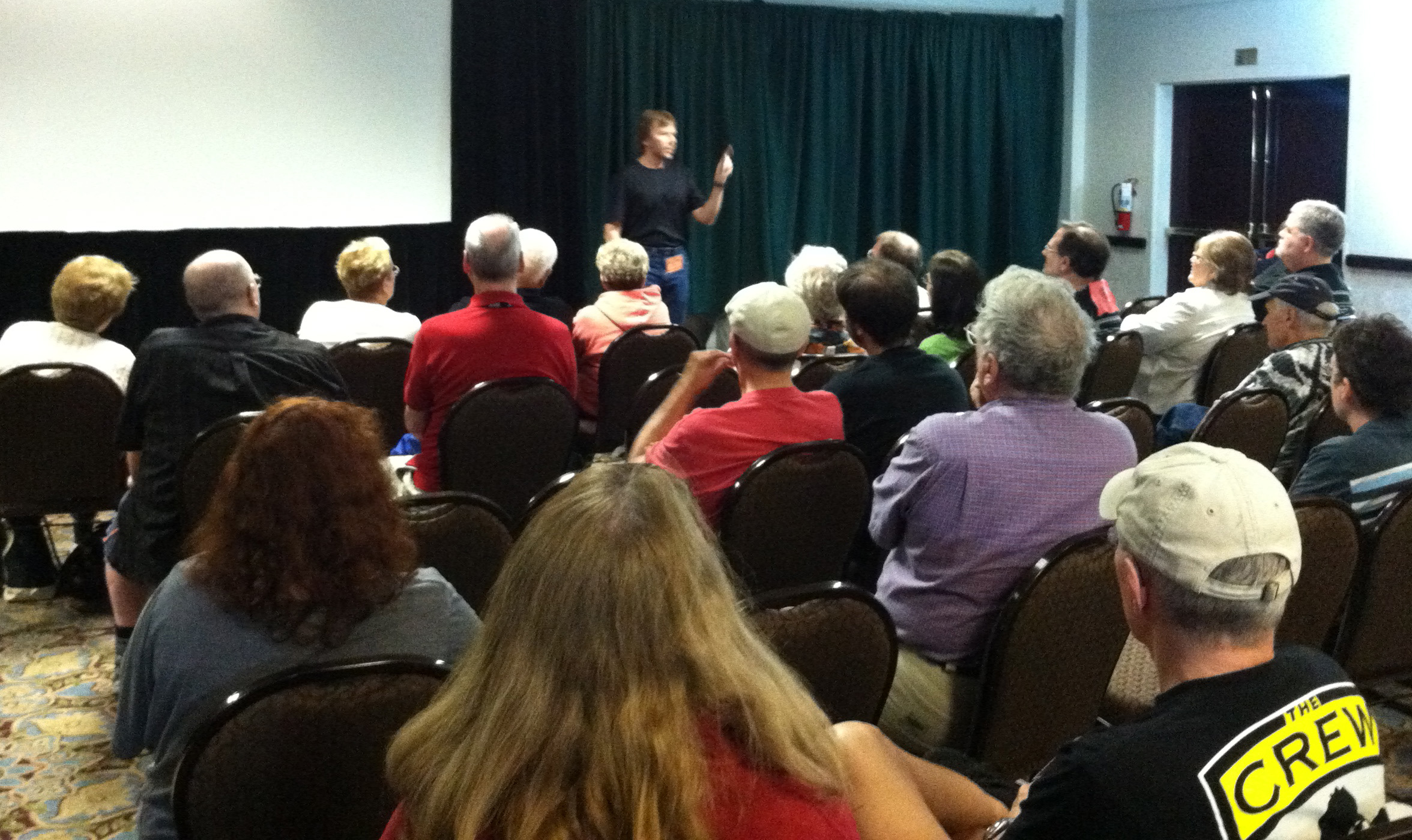
The last bit of good news for today is about my latest lecture and signing, which took place at Cinevent, the annual film convention held in Columbus, Ohio each Memorial Day weekend. The lecture drew the largest crowd yet and we sold a record number of books over three days. I want to thank Cinevent manager Steve Haynes for making time for me in the packed program and also for an outstanding level of support that pretty much guaranteed success.

The lectures always result in meeting great people. This time it was Bob King, publisher of Classic Images magazine. Bob invited me to do a Fireball-related article, which I’m getting started on today. I also met David L. Smith, author of the 2006 book, Hoosiers in Hollywood as well as the article “Carole Lombard: Profane Angel,” which appeared in the Summer 2001 issue of Films of the Golden Age magazine. Dave sent me a copy of the 2001 broadcast documentary, Carole Lombard: Hollywood’s Profane Angel, in which he appeared as an on-camera expert with, among others, Robert Stack, Robert Osborne, A.C. Lyles, Eddie Bracken, and William Wellman, Jr. Watching this 2001 documentary gave me an idea for my next column, so stay tuned for what I hope to be a good one.

Fireball: Carole Lombard the the Mystery of Flight 3 by Robert Matzen

Preaching to the choir of Hollywood film lovers at Cinevent.

Joan Jett Wisdom

Fireball: Carole Lombard and the Mystery of Flight 3 by Robert Matzen

The crazy kids back when life made sense.

Who was the first one to sing, “You don’t know what you got till it’s gone?” I remember the Joan Jett version, You don’t know what you got till it’s gaw-aw-aw-aw-onnnn. Joan wasn’t just whistling Dixie, my friends. You lose things, and it hurts. You lose living things, and in an instant the world stops spinning and everything goes flying in all directions, and usually only then do you realize what you had and don’t have anymore; how blessed you were when the parts of your life all fit together so nicely day by day, routine by routine. Then suddenly, there’s a big hole in your existence. Things go all out of whack and you’re stumbling about all fuzzy-headed because your days are numb and your nights are sleepless.

Do you ever wonder how Clark Gable survived January 16, 1942? He was ripped from the ranch to fly up to Vegas in dead of night, then driven this way and that, sequestered at the El Rancho, forced his way to the mountain, tried to climb it, got stopped partway up by news that his wife was dead, was taken back to the El Rancho, sweated out victim retrieval, was given a piece of her jewelry that had been pried from her body, and had to pick out caskets. If ever a man appeared to be shell-shocked, it was the Gable seen in those photos at the El Rancho, hiding behind sunglasses as he walked across the parking lot and climbed inside a car.

Today we know “shell shock” or “combat fatigue” as Post-Traumatic Stress Disorder or PTSD. I suspect I am tasting a bit of that over a recent trauma, where memories stab into your brain with no warning, memories that are too horrible to process, and startle and hurt as much the fifteenth time as they did the first. Or they wound even more because you’re still trying to come to grips. Soldiers and law-enforcement professionals suffer such trauma and it can endure years, decades, lifetimes. Those first responders to the crash of Flight 3 tasted it, like the one rescuer who told of stuffing body parts in mail bags said, “I still see it in my dreams sometimes.” He said it 50 years later.

Fireball: Carole Lombard and the Mystery of Flight 3 by Robert Matzen

Gable at the El Rancho.

Gable showed all the signs of PTSD, not just that weekend but for the rest of his life. I wonder which moments produced the flashbacks. You have to know he never went back to the El Rancho. I haven’t investigated to learn if he ever stepped on another Western Air DC-3 like the one chartered to rush him to Vegas. I bet he lived that moment on the mountain, “I’m sorry, Mr. Gable,” over and over. And that moment when he was asked if he wanted to spend time with Lombard’s body, which was in the next room. And that first bad memory, when MGM VP Eddie Mannix and PR man Ralph Wheelright barged in the front door of the Encino ranch to interrupt prep for a dinner party, two bundles of nerves to announce that the plane was down. It was the instant his royal, carefully crafted, highly insulated, pampered and preened, forever-adolescent movie-star life stopped making sense. Clark Gable liked being an actor because he could portray successful, secure, confident people quite unlike himself, but on that Friday evening his bill of 10 years was due, and the world got to see the other Clark Gable, the real-life one.

And then, oh, the grief. Inhuman, what he endured, what any husband or wife endures when the spouse exits suddenly. And this spouse, with her shtick, her sayings, her constant carrying on, talking a mile a minute, high-high energy every instant she wasn’t asleep. She would buy outlandish hats just because he disliked outlandish hats. She dared kid the king, and how he loved her for the audacity. The hunting trips wherever, the premieres where they dressed to the nines, the ranch with its orchards and horses and tractor and constant carrying on. Santa Anita, aaaaaaaand they’re Off! The shouting matches and jealous brawls and how they hated each other and loved each other. Driving at 80 with the top down and laughing their heads off. All that………….removed. In its place, silence. In its place, stillness.

It was no longer his life. He could make no sense of life.

The most telling and recurring theme: His friends didn’t want to be around him anymore. He was that different. His hands shook; his hands always shook after that weekend. He had been laid bare for the world and what good was a hero so vulnerable under the shining armor? He never got to enjoy a giant, classic movie hit again. Some of his pictures made a lot of money, but he became the King of Hollywood in name only.

You don’t know what you got till it’s gaw-aw-aw-aw-onnnn. Whoever or whatever you hold dear, go give it a big hug. Look at it and appreciate and imagine what your life would be like without it. I’m feeling a personal loss right now because I dared take for granted and maybe you can profit from my misfortune. Give him or her or it a kiss. Look him or her or it square in the eye and say, “I love you” like maybe it’s the last time, because you never know when it will be.

Unbalanced

Fireball: Carole Lombard in Hollywood

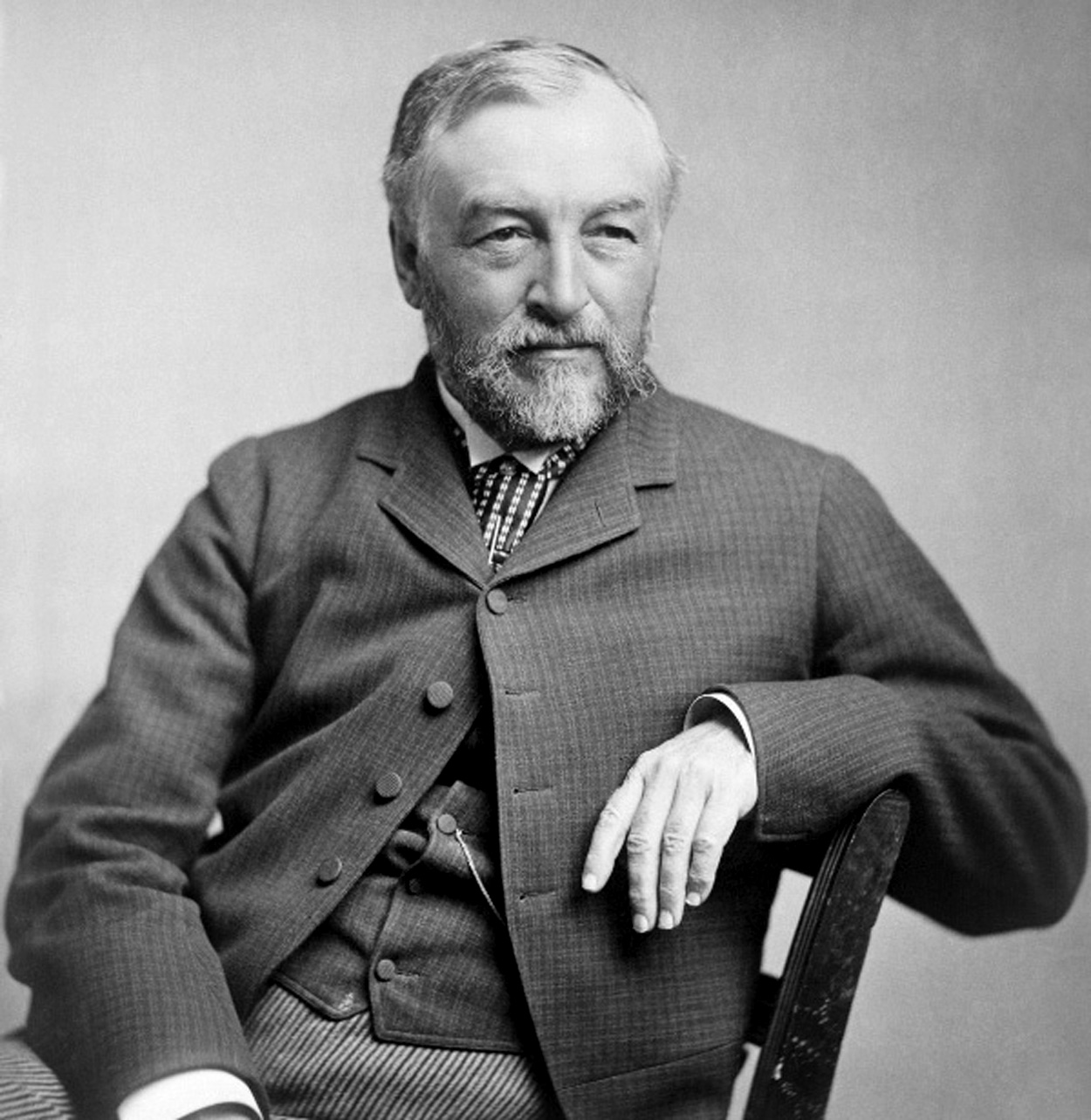
Samuel Langley, a smart guy

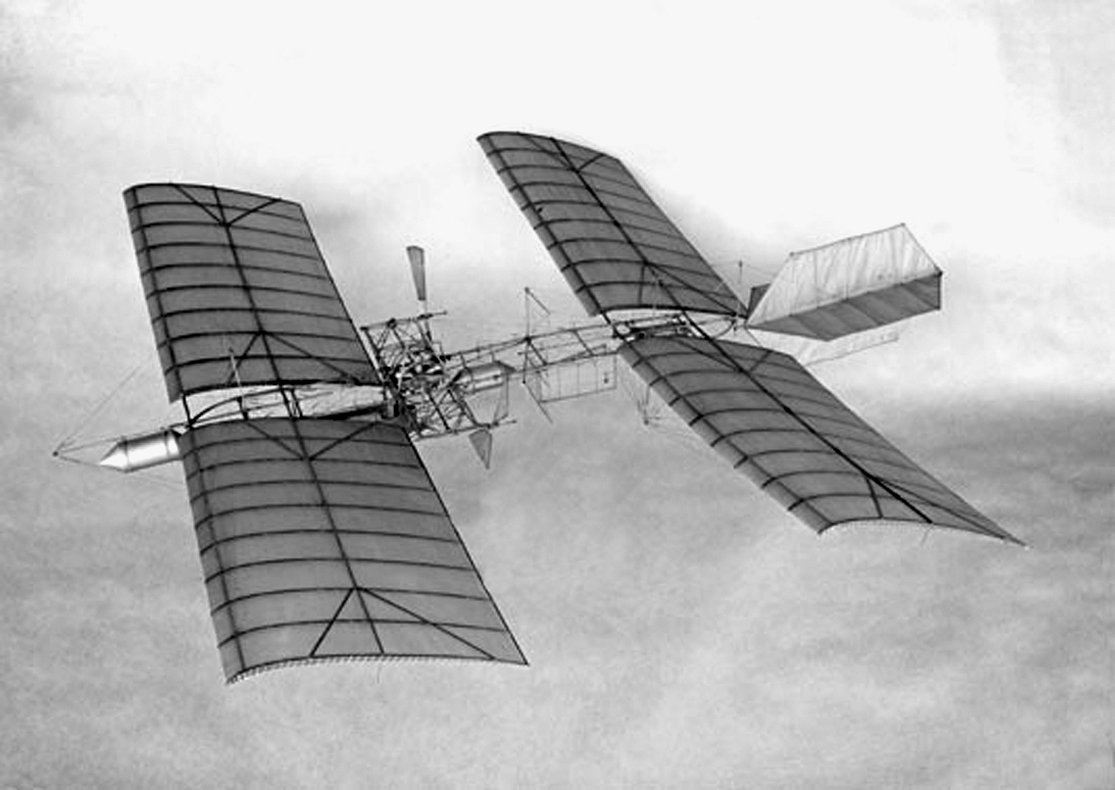
In the late 1800s, a scientist named Samuel Langley pretty much invented airplanes. Lots of things astonish me, and many of them involve aeronautics. I’ve never gotten past the concept that a hundred tons of metal can get off the ground and stay off the ground. That’s number one, and it goes from there, and here’s the guy who from nothing imagined that humans could fly around in the sky and then wrote about it in a book called Experiments in Aerodynamics that was published in 1891.

Do you hear me, people? Langley dreamed up the “airfoil” and invented the idea of “lift” and the concept that became wind tunnels. Then he successfully flew UAVs powered by mini-steam engine almost a mile on two occasions late in 1896. UAV, you know, like the Predator drone? An Unmanned Air Vehicle in EIGHTEEN HUNDRED AND NINETY-SIX. Langley was flying these things around seven years before the Wright Brothers! In fact, nine days prior to the Kitty Hawk breakthrough in 1903, Langley was floating on the Potomac River on a houseboat-turned-aircraft-carrier and was trying to catapult a manned, powered airplane into successful flight. It was a failure of an experiment that came oh-so-close to trumping Orville and Wilber on the verge of their great triumph. Langley was called a fool and a failure afterward.

Fireball: Carole Lombard and the Mystery of Flight 3 by Robert Matzen

Langley’s successful UAV, which he dubbed an “Aerodrome.”

I can hear you saying, What’s your point, Matzen? Well, OK, my point is simply this. People don’t much care for history lessons but people love stories and Langley’s is a hell of a story, the race to figure out how to enable humans to fly. Here you have these incredible people in 1890 and 1900 working desperately with sticks, fabric, and leather to make a contraption that could go up and stay up, and less than 40 years later movie stars in fur coats are stepping into polished-aluminum airplanes and flying across the country.

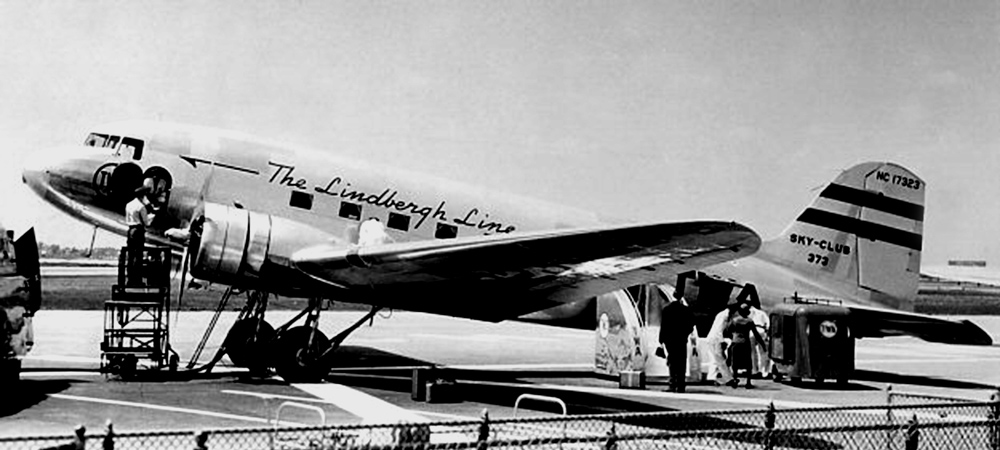
I’ve been saying it a lot in lectures and interviews lately, but it bears repeating: TWA Flight 3 crashed in January 1942, killing Carole Lombard and 21 others, at a time when commercial flight was still in the process of being figured out. It was still the era when biplanes were serving as the training platform for U.S. military pilots. DC-1s and DC-2s still served commercial passengers along with the beefier DC-3—these were the very first modern airliners replacing the serviceable but clunky Ford Tri-Motor.

One of the most telling quotes in Fireball was spoken during the House investigation into the crash of Flight 3 by TWA DC-3 Captain Alexis Klotz. In describing the airway out of Las Vegas, which includes the Spring Mountain range and Mt. Potosi, Klotz said, “It is very true that you can wander off just a little bit and hit something…. We drive down a narrow highway. There is traffic within 12 inches on one side and a gully on the other. It is considered safe. You watch what you are doing.”

They didn’t call this the Greatest Generation for nothing. These men had no virtual displays or talking consoles. They had no radar. They had guidelines, procedures, rudimentary gauges, two wings, and a prayer, and flying perhaps the finest airplane ever constructed, Douglas Corporation’s DC-3, they got where they were going and safely conveyed passengers, 15 and 20 at a time, from place to place.

Except on January 16, 1942.

Fireball: Carole Lombard and the Mystery of Flight 3 by Robert Matzen

Enabled by Samuel Langley: the Douglas Corp. masterpiece DC-3.

If you do the math, between December 1903 when the Wrights flew on that ridge in the Outer Banks and January 1942 when Flight 3 smacked into Mt. Potosi, that’s a tad more than 38 years. Now think about what was going on 38 years ago today, in 1976. All of a sudden 38 years is nothing. It’s the blink of an eye, but in that span of time, airplanes went from fabric to aluminum, from sputtering engines with spindly propellers to two or four growling beasts, and from open cockpits to luxurious, closed cabins with meal service on transcontinental flights. All in 38 years.

I was a great disappointment to my father the mathematician and physics professor. He would try in vain to tutor me in high school trig, and there was no way I was ever going to get it. I still don’t get it. But in the end, Dad, I did turn out to be smart enough to recognize a smart guy when I see one, and Samuel Langley was one smart guy whose ideas changed the world—just 38 short years prior to the crash of Flight 3.


Note: If you want to see a great documentary about Samuel Langley, check out Undaunted: The Forgotten Giants of the Allegheny Observatory because, oh, by the way, Langley was an astronomer who invented aviation in his spare time. And I can’t even balance my checkbook.

Fireball: Carole Lombard and the Mystery of Flight 3 by Robert Matzen

My checkbook, unbalanced.


Fireball in Las Vegas

Fireball: Carole Lombard and the Mystery of Flight 3 by Robert Matzen

Las Vegas features a giant that dwarfs even the mightiest casino. That giant is Mt. Potosi, which looms high in the southwestern sky and can be seen from nearly every vantage point in town. You can’t see it if you’re standing behind the Luxor, or Caesar’s, or the other casinos, but if you’re out and about, Potosi can’t be missed. Potosi is where life ended for Carole Lombard and where life began for Fireball. Each year when I’d visit Las Vegas on business, there would be Potosi, never an inviting sight, but always a compelling sight. I knew the wreckage of Flight 3 was up there, and I knew that one day I would go see it. This is not new information to anyone who has read the book, but I bring up the subject of Potosi again because I just returned from my most important visit yet to Las Vegas after four TV interviews and two on radio, and a Saturday lecture at the impressive Sahara West Library on Sahara Avenue.

Fireball: Carole Lombard and the Mystery of Flight 3 by Robert Matzen

On Las Vegas NBC affiliate Channel 3 with Tom Hawley talking about the 1942 plane crash near their town. [Clicking on the image takes you to the TV segment.]

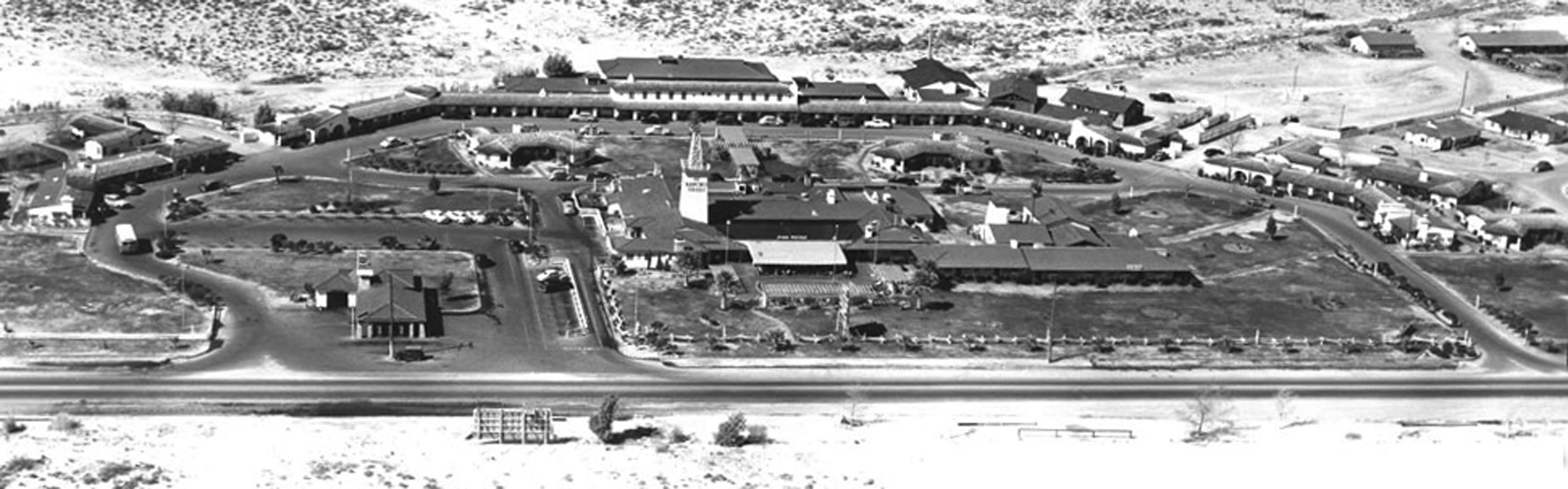
Sahara is a street that’s important to the narrative of Fireball, because at the intersection of Sahara and Las Vegas Boulevard, Clark Gable spent the longest weekend of his life, waiting in a bungalow under heavy guard at the El Rancho Vegas Hotel for word on the fate of his wife. Back then the El Rancho stood alone in desert as the southernmost point in town and the first of the modern casinos. Now the site of the El Rancho is one of the last remaining empty lots in that stretch of the Vegas Strip. Nothing’s been there since the main building, the Opera House theater and casino, burned to the ground in 1960 during a Betty Grable appearance (Betty reportedly lost $10,000 in costumes that night). The owner tried to keep going on just the cluster of bungalows around the casino-in-cinders, but it didn’t work.

One of those bungalows had been Gable’s, and I have stood at the spot and pondered what he went through that weekend as he stared at Potosi, what his MGM handlers went through, and Gable’s friends, who rushed to his side by the carload when they heard that Carole’s plane was down. My appearance on that street, in that city, with Potosi visible just to the southwest, was what I can only describe as meant to be.

Fireball: Carole Lombard and the Mystery of Flight 3 by Robert Matzen

The first modern Las Vegas casino complex, the El Rancho Vegas, along Highway 91 just south of town. Here Clark Gable endured the longest weekend of his life.

On Saturday the story poured out of me to the assembled crowd of locals; I showed two videos and then came the Q&A. It was fantastic to get the perspective of people who have lived with the story all their lives. One woman remembered as a little girl looking at Potosi and seeing the polished aluminum of the wreck gleaming in the sun. TWA had tried to dynamite the mountainside to cover over the site, but their plan failed and locals for years afterward remembered the eerie, reflective glow of the right wing against the cliff wall.

Fireball: Carole Lombard and the Mystery of Flight 3 by Robert Matzen

Attendees of the Sahara West event watch one of the GoodKnight Books videos.

Attending on Saturday was well-known Southern California poet Lee Mallory, whose father and stepfather were pilots. Lee’s Uncle Harry grew up in Goodsprings and learned about the crash and aftermath from people who lived it. In fact, those eyewitnesses passed on relics from the crash to Harry, who had them built into a shadow box with brass name plates, and this incredible history display is now in Lee’s possession. Lee hadn’t yet read the book but was able to pepper me with questions that hit on many key facts and myths related to the event. Another attendee firing impressive questions was named Dennis. He had visited local spots connected to Flight 3, like the site of the El Rancho and the Pioneer Saloon in Goodsprings, where Gable supposedly drank his way through the weekend. No doubt the Pioneer was a player in the tragedy, if not Gable’s home base, because it was here that reporters congregated during days of rescue and recovery. It was a practical matter: in an area so remote, the Pioneer featured the closest telephone and the best way for reporters to get their stories out.

Fireball: Carole Lombard and the Mystery of Flight 3 by Robert Matzen

Signing books after the lecture and Q&A.

The Sahara West Library is a state-of-the-art facility. I haven’t seen better audio and video capabilities anywhere, and I want to thank Marci Chiarandini for fantastic support throughout the planning and execution of the event.

We also snuck down to L.A. for a couple of days. I paid my usual respects to Carole, Clark, and Petey at Forest Lawn, and we stopped in at Maria’s Italian Kitchen in Encino, which is currently featuring a Fireball tie-in. Patrons bringing a copy of the book into the store receive a discounted meal. The crazy thing is that Maria’s is located near the corner of Ventura Boulevard and Petit Avenue, and Petit Avenue was the address of the Gable ranch. George Healy of Maria’s, who read Fireball and has become one of its leading proponents, wasn’t aware that one of the key locations in the book was less than a quarter mile away! It’s just the latest in a thousand weird little coincidences and ironies around Fireball, which is a very special book to me and, as I’m finding, to a growing number of people around the country.

Shooting Star

Bruce R. Medici said some very nice things about Fireball in a recent comment. He also said, “Carole would have most likely enjoyed it, and perhaps she may have had some choice words about it too.” I wondered every so often as I was writing Fireball whether Miss Lombard would approve of what I was doing. I knew I had found the real person, that I was uncovering the soul of this woman and artist, and does anyone really want to be laid bare before the world?

My friend Steve had a strong reaction to the Carole he read about in Fireball. Steve had known Gable, as discussed here previously, and had heard time and again from Clark and all the other MGM players wonderful stories about this glorious, perfectly remembered, bigger-than-life personality, Carole Lombard. Said Steve in his critique of Fireball, “I was surprised to find out that she was so spoiled and willfully stubborn and strong-headed. To have bullied her way thru life as it appears is surprising to me. Yes, she was attractive and full of joy and fun and laughter. But if you read between the lines, she was also so determined to do as she pleased, that at times I didn’t like her and wondered why so many others liked her. It also killed her.”

Fireball: Carole Lombard and the Mystery of Flight 3 by Robert Matzen

Gable and Lombard are adored as American royalty wherever they go.

This is a bulletin to many: Carole Lombard lived a mortal existence and had shortcomings and frailties like we all do. She never wanted for money because she came from it, and so “spoiled” is a fair term. She did what she wanted with her life and if necessary could lean back on her heels and put up her dukes with any man who wanted a fight, including Hollywood moguls. She also most decidedly did put her own insecurity and self-interest ahead of the feelings of her traveling companions that last night in Indianapolis, with fatal results. So “willfully stubborn” certainly fits. Carole did bully Wink and Petey onto the fancy Sky Club that had taxied into the Indianapolis Municipal Airport. And she did it because of a very human, irrational, insecure, unLombard-like reaction to Lana Turner, a girl more than 10 years younger, petite, gorgeous, needy, and husband hunting. Ma was an intuitive creature, and could sense that Pa was hearing this siren’s song and liking the tones. She felt his distraction like she had never felt it in the chorines and bit players that had queued up previously for 15 or 30 minutes of the King’s time.

It was imperfect of Carole Lombard to react this way and force her mother and Otto Winkler onto a plane after promising both repeatedly that they would not have to fly on the bond tour. She strong-armed Petey onto the plane even though Petey knew the numerology was all wrong and she begged her daughter not to get onto the plane. Imagine, your mother begs you. And poor Otto had dreamt he would die if he got on a plane on this trip. It gives me chills even now to write that sentence.

Luckily, Carole found a writer who is also an apologist for human frailties. I don’t hold her stubbornness against her. I don’t hold Gable’s roving eye and “swordsman” tendencies against him. How could we do either? How dare we do either? It’s easy for us to sit here all these years later and tsk-tsk as we turn the pages and say how we would not have done these things and conveniently look past our own imperfect lives and the things we’ve done less than optimally. It wasn’t easy to be a Hollywood star. They worked six out of seven days a week at the whim of their studios and were forced into the limelight almost every night of the week. Imagine everywhere you go you’re assailed for autographs and people tear at your clothes. The first hour would be awesome; after that, not at all. Imagine you have total power over everyone you meet. How would it warp you? Not at all? Forgive me if I have my doubts. So, yeah, Carole Lombard threw her weight around and got on that plane and then in Albuquerque she refused to give up her three seat assignments even though the law required it. That’s willfully stubborn and a half! In her own mind there were compelling reasons why she needed to do what she did, just as there were compelling reasons why Clark needed the attention of every female in sight.

Fireball: Carole Lombard and the Mystery of Flight 3 by Robert Matzen

Hollywood-struck Hoosiers press in on Carole in Indianapolis the day before she will die.

I told Carole Lombard’s story without passing judgment on Carole Lombard and knowing her as I do, she wouldn’t give me as much as a “You can kiss my ass” about it. Somewhere on the other side of that cliff she ran into is an understanding that the train would have been better. There’s remorse over the fate of Petey and Wink and sorrow at letting her brothers and friends down, people she wanted to continue to see and love and cherish and support. Sorrow at deserting Clark and the ranch. Lessons always come at a price, and brother the price she paid. The price all these characters in Fireball paid for getting mixed up with dynamic, charge-straight-ahead Carole Lombard. Sure she was imperfect, but on balance no one ever quite got over her loss, not her husband or closest girlfriends or the grips on the pictures she made or anyone in between. All they would ever allow when they remembered the girl who lit up the sky as she streaked across it and then hit a granite cliff at 7,700 feet was, “That was Carole for you.” Human? Hell yes. Which is what made this a story, and why people can’t get enough of it.

To Tweet or Not to Tweet

I hate the sound of bagpipes. To me the sound of bagpipes is more torturous than the squeal of a feedbacky microphone, or the wail of a screaming baby, or the pounding and grinding of a dumpster being emptied in the middle of the night. It’s the top reason I’m not a fan of St. Patrick’s Day. I’m also not a fan of people going out and getting drunk obnoxiously when they could just as easily, no, more easily, stay home and drink in silence. So where have I been the past few days, you ask? I was waiting out St. Patrick’s Day in the Cone of Silence and now it’s the day after, and safe to come out.

Fireball: Carole Lombard and the Mystery of Flight 3 by Robert Matzen

My idea of hell.

I need to know. Do you people tweet? Do the cool kids these days tweet? It seems as if people must sit around watching TV with the remote in one hand and a phone in the other so they can report their thoughts in real time, and maybe if you’re a great pundit who has thoughts in real time that would be desirable, but if you’re just a guy or a girl and go reporting on how the ref made a non-call in a basketball game, is this a good thing?

My housemate has been railing for years that there’s too much communication in the world today, and the emergence of “Twitter wars” seems to bear this out. Someone disrespects someone else on Twitter, and suddenly a snarkfest is unleashed, often with no winner but just a lot of nasty messages hanging in the ozone. To me, Facebook is a fine thing and allows me to keep people at the far end of arm’s reach while still learning of their comings and goings. Facebook is perfect for the reclusive introvert, which I’m one of. I care about my friends, which doesn’t necessarily mean I want to talk to them all the time. Now I don’t have to: there’s Facebook.

But Twitter. Quite some time ago, Basil Rathbone authority Neve Rendell encouraged me to start tweeting. I thought, what the heck, why not, and I signed up on Twitter and got my handle (@robertmatzen) and guess what. I have only tweeted I believe one thing in my entire Twitter career, and that was a funny little something to a co-worker. I just couldn’t bring myself to tweet because who cares what I have to say? Why is my viewpoint important? Does the world need to know that I hate bagpipes? RT if U h8 bagpipes 2.* NO! I can’t murder the king’s English that way. I can’t go against the grain and reveal my loathing of an “instrument” played at heroes’ funerals!

I have seen an effective use for Twitter, and that’s to build a brand. If I were a comic attempting to build my brand, RT if U h8 bagpipes 2 would actually make sense. As a matter of fact, comedian Stephen Wright used to talk in tweets long before Twitter was born. But even if I were building a brand, I can’t see myself shamelessly self-promoting because reclusive introverts aren’t made that way. Ironically, I am building a brand and can’t make my thumbs use Twitter! You can see my conundrum.

Besides, with a subject matter like vintage Hollywood, my tweets would just be a litany of sadness.

Shirley Temple dead. Bummer.

Sid Caesar gone. Nooo!

Harold Ramis passed. Can’t B.

Robert Matzen, angel of death.

So please tell me, do you tweet? Are you on Twitter? Should I do this or not do this? I’d love a pro or a con from you, the most influential people in my life (other than she who lives with me). And most importantly, would you have RTed that U h8 bagpipes 2?

*RT = ReTweet