General Hollywood History

Going All the Way

Mission: Jimmy Stewart and the Fight for Europe by Robert Matzen

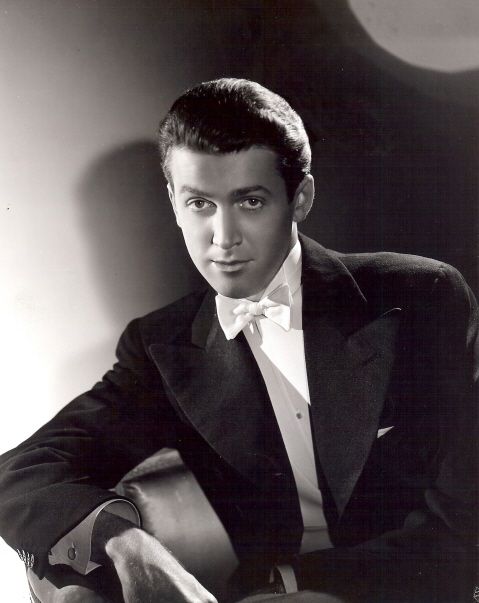
An interesting situation arose when I routed the manuscript for Mission for review to key subject matter experts who had helped in its development. Two are Hollywood historians, one is a WWII historian, and two are aviators who flew with Jim Stewart in the war. One of the fliers took umbrage with my depiction of Jim’s sexual exploits in pre-war Hollywood, and most stridently so. No spoilers here, not for a book still four months from release (and the embargo is still in effect), but suffice to say Jim was a far busier boy than you’d expect during his five-plus years in Hollywood prior to joining the military in 1941. The flier said, basically, that in his day you didn’t speak of such things, and he didn’t want Jim to be remembered that way.

I did some soul-searching after receiving this feedback because I greatly admire the man who delivered it, and I wondered if he was right that this type of information has no place in a book about Stewart’s military career. Here are the meanderings of my mind as I thought it through:

Mission: Jimmy Stewart and the Fight for Europe by Robert Matzen

You’d never know it from the characters she played onscreen, but MGM contract star Ann Rutherford was another of the busy ones around town.

Sex wasn’t invented by the counter-culture of the 1960s. Sex was a favorite pastime of Hollywood citizens going back to the first days of hand-cranked cameras in the silent era. All roads in my research for Errol Flynn Slept Here, Errol & Olivia, and Fireball led to, well, sex. Errol Flynn was a big fan of indiscriminate sex. So was Clark Gable. Carole Lombard nurtured a healthy sexual appetite and did what came naturally and so did Jean Harlow. Even—dare I say it—Olivia de Havilland succumbed to pleasures of the flesh in an environment in which many of the world’s most beautiful, suddenly rich and famous people were crammed into a few square miles of exotic Southern California real estate, with no rules or chaperones. It became a matter of sport and ego to see who could bag whom, and Marlene Dietrich might be the prototype for sexual athletics as will be revealed in Mission when she looked at her lovers not as men or women or actors or people but as “conquests.”

If you’re a 30-year-old heterosexual guy and your day-job requires you to kiss Hedy Lamarr or Lana Turner—women whose every move is of interest to an entire movie-going world—what the heck are you going to be inclined to be thinking about but, My God this is a beautiful woman! If you’re a heterosexual woman known as a glamour queen and the script says today you will be romancing Flynn, Gable, or Doug Fairbanks Jr., and you’re looking into their eyes all day long, feeling their beating hearts, are you supposed to turn that off along with the soundstage lighting at 6 in the evening?

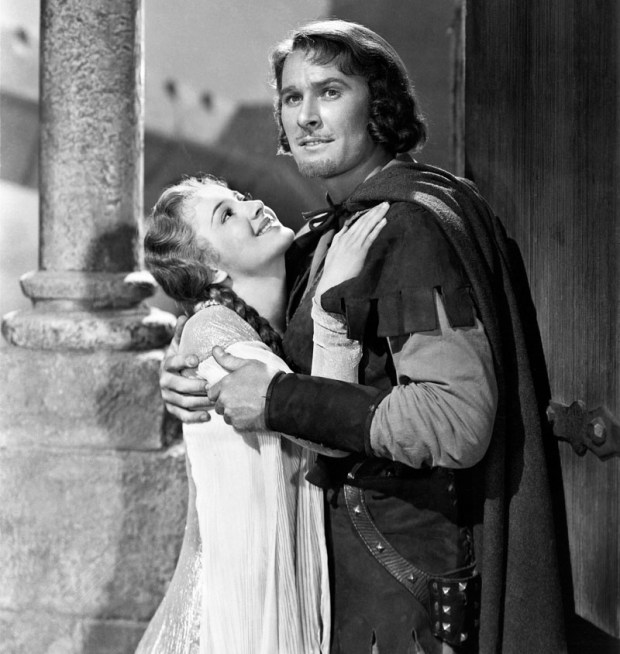
Olivia de Havilland tells a funny story about being in the clinches with Flynn shooting the love scene for Robin Hood over and over and “poor Errol had a problem with his tights.” You betcha. He was 28; she was 21. Nature was taking its course.

Mission: Jimmy Stewart and the Fight for Europe by Robert Matzen

Why, Robin, I do believe you’re happy to see me.

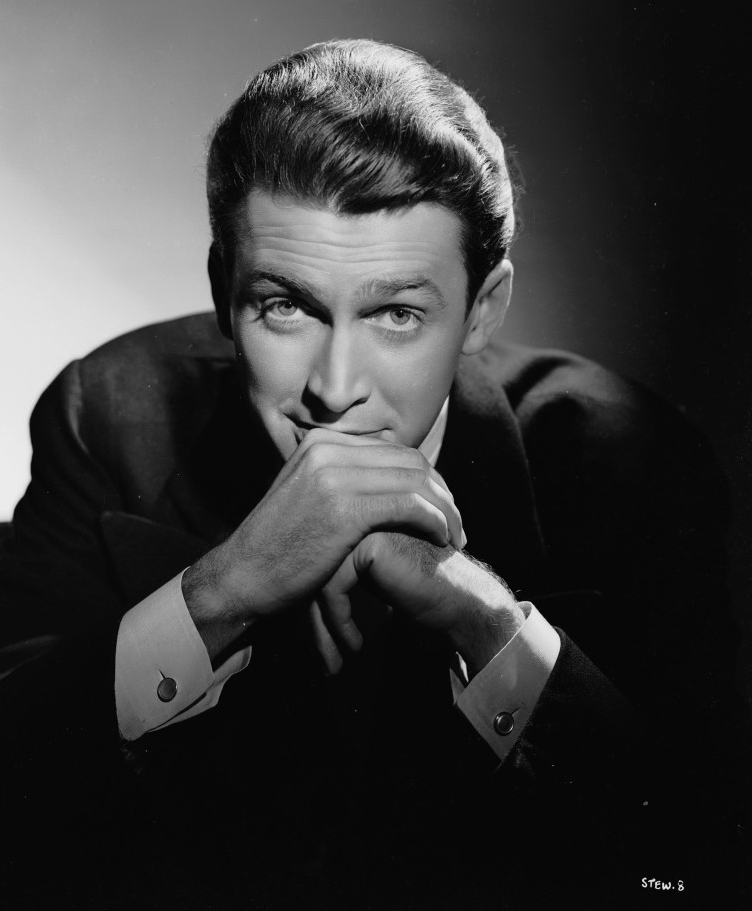
There was a whole lot of nature going on in Hollywood by the 1930s when Jim Stewart reached his prime. Going into the Mission project I had heard that Stewart was known for having a “big stick” and I couldn’t even imagine it from this small-town product with a strong Presbyterian upbringing, but son of a gun, America’s boy next door had a side to him that reveals a lot about who he really was and what his psyche needed. “He had an ego, like all of them,” said a man who knew the older Jimmy Stewart well.

A picture started to emerge for me as I searched for the “real Jimmy Stewart,” not the lovable old guy on Johnny Carson, but the young one roaming Hollywood and then, seemingly inexplicably, running off with a big grin to join the Army nine months before shots were fired by Americans in what became WWII. And part of the story of who Stewart was, a significant part, involved his Hollywood love life, which meant that after all my soul searching, the juicy stuff stayed. I decided to go all the way … just like Jim.
Mission: Jimmy Stewart and the Fight for Europe by Robert Matzen

Stewart once told his perturbed BFF Henry Fonda, “Hank, I don’t steal your dates. They steal me.”


20 Great de Havilland Moments

As we draw closer to July 1, which will mark Olivia de Havilland’s 100th full year on this planet, I started to think back to the most memorable moments of her screen career. She didn’t have the usual run of a Hollywood legend because she went to war with Warner Bros. and stayed off the screen for three years, and then faded from leading lady status in the 1950s, retrenching in Paris, where she has remained for 60 years.

As I detailed in Errol & Olivia, OdeH never rushed into anything in life, and turned down many scripts that became unmemorable pictures. But those she did make, she made well. I thought about doing the top 5, and then the top 10, but they kept coming so I finally decided to stop at 20, realizing that I’m missing many other great moments. I simply haven’t seen pictures like The Great Garrick, The Strawberry Blonde, The Dark Mirror, and My Cousin Rachel in recent times, so I’m depending on all of you to identify the considerable number of great scenes I must be missing. Yes I skew to Flynn-de Havilland just because I’ve seen them most of all.

Here they are, in reverse order, from 20 to down to 1, a list of memorable screen moments courtesy of OdeH—they just happen to include some of the most powerful scenes in motion picture history.

20. Government GirlSmokey slithers across the floor of the crowded hotel lobby looking for a missing wedding ring, and Ed can’t miss her high-heeled legs under the sofa. Livvie wasn’t a comedic actress, but she does well in this crowded-hotel-lobby sequence, and also plays along to sell the sex. This little picture proved to be a surprise hit at the box office for struggling RKO.

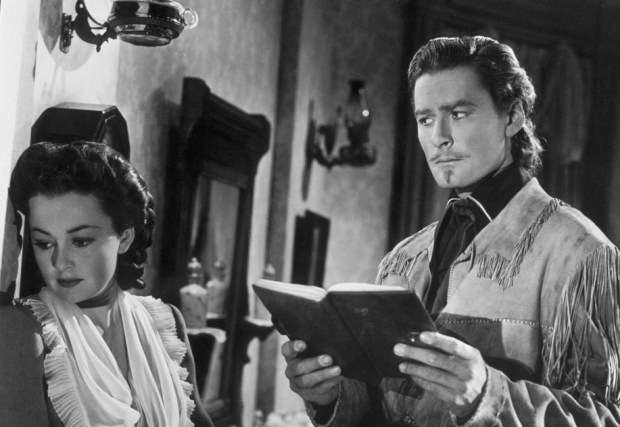
19. Dodge City—On the staircase Abbie yells at Wade, “You can’t boss me!” and he stifles her protests with a surprise kiss and she makes a noise in her throat as if to convey, “Oh! This isn’t so bad!”

18. The Private Lives of Elizabeth and Essex—Penelope’s big brown eyes light up as if in neon every time she sees Robert Devereaux. This was her worst screen experience, a thankless role in a prestige picture courtesy of Jack Warner. She stood around a lot, but did what she could with the part.

Errol & Olivia by Robert Matzen

Down yonder, there he is, Robert Devereaux, the Earl of Essex. Penelope rather fancies him.

17. The Adventures of Robin Hood—Sir Guy paws Marian’s jewel case and then rips it open to find the written warning for Robin. Awesome sexual tension between jilted Sir Guy and scheming Marian, revealing just a little of Basil Rathbone’s undisguised lust for Olivia de Havilland.

16. Light in the Piazza—After her daughter’s wedding to Italian innocent Fabrizio, Meg says to herself, “I did the right thing.” Even though the picture never made sense as presented, Livvie still owned those last moments and made them powerful.

Errol & Olivia by Robert Matzen

Meg gushes with pride at the wedding of her daughter at the conclusion of Light in the Piazza.

15. The Snake Pit—Virginia stands in the common room at the sanitarium and her gentle, internal VO likens her surroundings to a snake pit. The camera changes focal length, lifting high above the soundstage until the illusion of all those crazy people is of snakes in a pit. And she remains fixed there, alone and vulnerable and, worst of all for her and for us, returning to sanity so she understands what’s going on.

Errol & Olivia by Robert Matzen

Virginia stands in the middle of snakes in the pit in director Anatole Litvak’s beautiful, chilling shot.

14. They Died with Their Boots On—George scales the trellis to Libby’s balcony and proposes, and she swoons, and then it dawns on her what he just asked, and she scolds, “Oh, lieutenant!” and then a moment later, “Yes, general!”

13. Gone With the Wind—At the door chatting with Scarlett, Melanie spots Ashley coming up the road to Tara after the war.

12. Captain Blood—Snooty young Arabella decides to buy a pirate for personal use and he turns out to be a sassy, wrongly imprisoned English doctor. (Peter to Arabella, with a bow: “Your very humble slave, Miss Bishop.”)

11. Hush…Hush, Sweet Charlotte—Sweet Miriam stops the car and ever so slowly turns to Charlotte, revealing pure evil, and smacks her across the face repeatedly. Then she leans close and hisses, “Damn you. Now will you shut your mouth!” It was Livvie’s darkest moment onscreen in a picture seen as pure camp today, even though it received seven Academy Award nominations in 1965 and won three Oscars. Somewhere deep down it must have been fun to slap around Bette Davis after their long history together that includes contentious moments on the set of In This Our Life.

Errol & Olivia by Robert Matzen

If Charlotte thinks she’s troubled now, just wait another minute.

10. Dodge City—At the newspaper office, Wade comes in to taunt Abbie after she takes a job there because a woman working for a living “Tisn’t dignified!” And during their byplay she hints that the natives object to his face. (Wade: “You should be home, doing needlework!”)

9. The Snake Pit—Virginia realizes she isn’t crazy anymore and doesn’t really love Dr. Kik. Then she connects with Hester in a brilliant crowning moment.

8. The Adventures of Robin Hood—Marian lets her hair down and begins to speak of love with Bess, and then Robin Hood barges in and he and Marian both proceed to let their hair down together.

Errol & Olivia by Robert Matzen

Letting their hair down was a bear to shoot and took three tries with two directors.

7. Gone With the Wind—After Scarlett shoots the Yankee in the face, Melanie drawls, “I’m glad you killed him.” Then she strips off her nightgown to wrap the bloody dead Yankee in.

6. They Died with Their Boots On—Libby strolls onto the West Point green and engages Custer on guard duty, and they get into a big fight right off the bat. It was her first day of work on the picture, and she unleashed pent-up energy that Flynn matched for a terrific sequence.

5. The Heiress—Spinster Catherine finally locks the door on Morris and turns out the lights. She earned Oscar #2 here–she should have won it for The Snake Pit a year earlier.

4. The Adventures of Robin Hood—King Richard commands Robin to claim Marian as his bride; the king asks if she would like that and she beams, “More than anything in the world, sire.” Slam-bang ending to an epic picture. Livvie wasn’t crazy about playing a damsel in distress, but gave it her all anyway.

3. Gone With the Wind—Weakened Melanie forces herself up the long staircase at Tara to tend to Rhett after the death of Bonnie Blue Butler. Did this scene tip the Oscar to Hattie McDaniel? Both were flawless and completed the dramatic stair climb in an unbroken take.

Errol & Olivia by Robert Matzen

A posed still can’t begin to capture the brilliance of de Havilland and McDaniel on that long walk up the staircase.

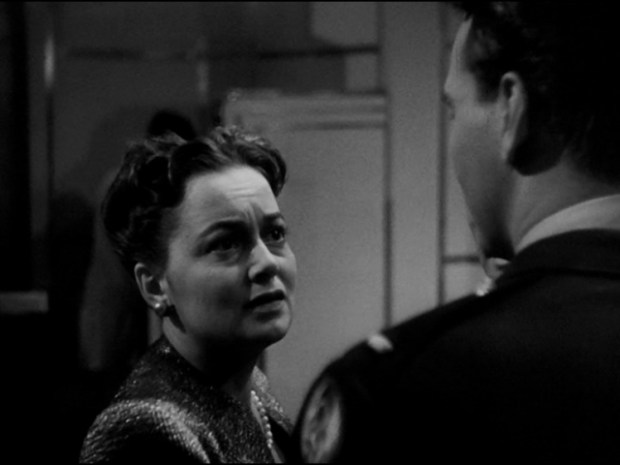
2. To Each His Own—Through the whole picture, old Miss Norris has been pinch-faced and bitter, but then the Army lieutenant realizes that she’s his mother and asks her to dance. It was the scene that sealed her first Oscar win, and if it doesn’t make you cry, you don’t have a pulse.

Errol & Olivia by Robert Matzen

“I believe this is our dance, Mother.”

1. They Died with Their Boots OnGeorge says goodbye to Libby, both sensing they’ll never see each other again. It was the best moment for both actors, and for director Raoul Walsh, and for the technicians who lit the set. Yikes.

Errol & Olivia by Robert Matzen

If you want to destroy me no matter the mood or time of day, put this scene on. And BTW, however much you’re paying the lighting guy? It ain’t enough.

All right, lay it on me. What are some more great de Havilland moments?

For more on Olivia de Havilland and her upcoming 100th, check out Self-Styled Siren’s blog.

Faces

Mission: Jimmy Stewart and the Fight for Europe by Robert Matzen

I watched a Louise Brooks picture the other night, Diary of a Lost Girl, a 1929 German silent directed by Georg Wilhelm Pabst. I’m not here to talk about Diary of a Lost Girl except to say, I didn’t get it. What happens happens slowly, and often without title screens, all in keeping with the New Objectivity of the time. As reflected in his pictures of the ’20s, G.W. Pabst’s world—Germany at the tail end of the Goldene Zwanziger, the Golden Twenties—was bleak and seedy, a socio-political vacuum that the National Socialists would soon be inhabiting. I’m sure many of you can give me a dozen reasons why Diary of a Lost Girl is good or great, but I can only speak for myself, and the slowly enveloping creepiness was a bit too much for me.

Mission: Jimmy Stewart and the Fight for Europe by Robert Matzen

Louise Brooks in the late 1920s, sporting her distinctive and much-emulated hairstyle.

What held my attention was Louise Brooks. I sat mesmerized beginning to end looking at Louise Brooks in all manner of psychologically perilous situations. They called Helen of Troy “the face that launched a thousand ships,” and so Helen must have been Louise Brooks beautiful. If we were able to pull Louise Brooks off the spool of celluloid for Diary of a Lost Girl, she could be reinserted into any other filmstrip from any other time, and she would be just as arresting—and hopefully in better clothes.
I find all sorts of women to be beautiful for all sorts of reasons, outwardly and inwardly. You’re everywhere, you women, and I admire you all. And then there’s Louise Brooks. It does Brooks a disservice to say she’s sexy. She may be sexy in the traditional sense but it’s too symplistic term to be applied here. She grabs your attention when she appears and doesn’t let go. She’s got those big, dark, knowing, wide-set eyes and that severe dark hair framing her face and that wide mouth and flawless pale skin and wham, there’s nowhere else for your gaze to fall.

Mission: Jimmy Stewart and the Fight for Europe by Robert Matzen

Louise never minded selling the sex angle.

Audrey Hepburn is another of those ship-launchers. There are a few out there who don’t get Audrey’s appeal. Maybe you’re one of them. As far as I’m concerned, Audrey could just stand there and not be a part of a plot or reciting lines or facing peril, just stand there, and I’d be watching that face with my mouth hanging open until she wasn’t there to look at anymore. I remember walking up a cobblestone street some months back in the ancient German town of Eppstein, this narrow little street with a few shops on it, and in one of the shop windows was an inexpensive little purse and my eye snagged on the purse because there was Audrey Hepburn’s face staring out from it. Time stood still. Five thousand miles from home, in Germany conducting research for a book on a dark 35-degree day in November, I didn’t know anything but, there’s Audrey. From one glimpse of that face applied to a commercial product.

Mission: Jimmy Stewart and the Fight for Europe by Robert Matzen

Audrey Hepburn near the beginning of career, and toward the end of her life.

To my way of thinking, Audrey was as arresting near the end of her life as she was decades earlier in Roman Holiday, because, in her case, the beauty had deepened from all the living she had done and from decades of good deeds. There’s a sense of inner beauty from the face of a young Louise Brooks as well—she was by all accounts a smart, intuitive woman with a wicked sense of humor and strong independent streak.

My reading list is pretty long after finishing Mission: Jimmy Stewart and the Fight for Europe (Coming Soon from GoodKnight Books—put it on your Christmas list now!) and among those titles is Lulu in Hollywood, a collection of the writings of Louise Brooks. I can’t imagine that this face was launched in Kansas, but that’s where she was born and raised. Supposedly she was molested as a child, which shaped her sexuality and, presumably, pointed her toward frank film performances, as well as a number of nude portrait sittings and many incendiary affairs. She made only a couple dozen films in a career spanning 13 years, in part because she snubbed her home studio, Paramount Pictures, just as sound arrived in 1929, the year of Diary of a Lost Girl. Among her credits was a picture with Carole Lombard, It Pays to Advertise, in 1931 with Carole on her way up and Louise sinking fast. Her last picture would be in 1938 and she’d be done in movies at age 32 and not rediscovered as a motion picture icon for another generation. How that face slipped from the mainstream for a while I’ll never understand.

Today the face of Louise Brooks has reemerged and collectors eagerly pay thousands for original still photos and movie posters featuring her, and I think it’s high time I added such a piece to my own collection and my wall. Productivity will suffer, because I’ll be staring with my mouth open quite a lot, but I can live with that if you can.

Mission: Jimmy Stewart and the Fight for Europe by Robert Matzen

Bangs or no bangs, it all worked for Louise Brooks.

Mission: Jimmy Stewart and the Fight for Europe by Robert Matzen

Dream Lovers

Mission: Jimmy Stewart and the Fight for Europe by Robert Matzen

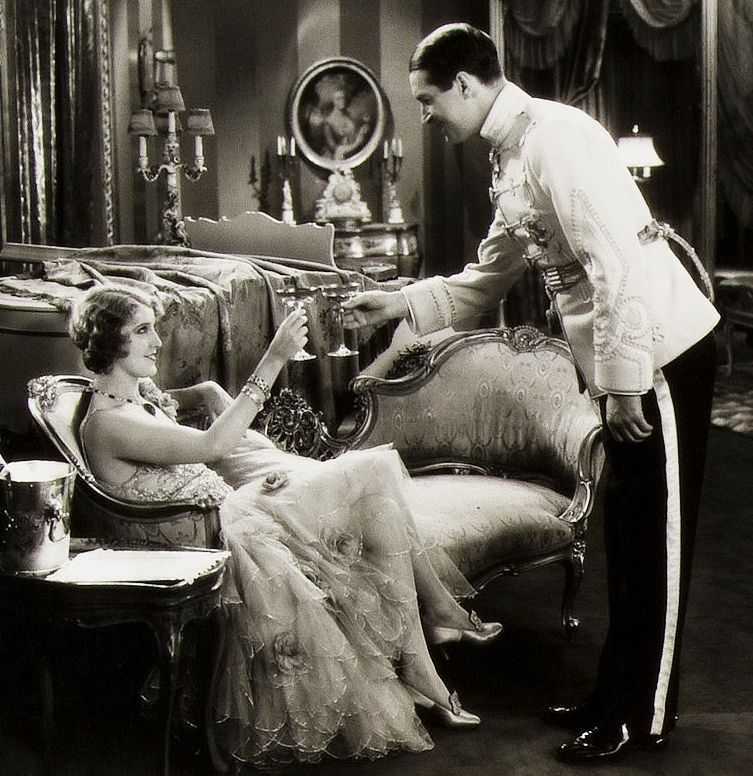
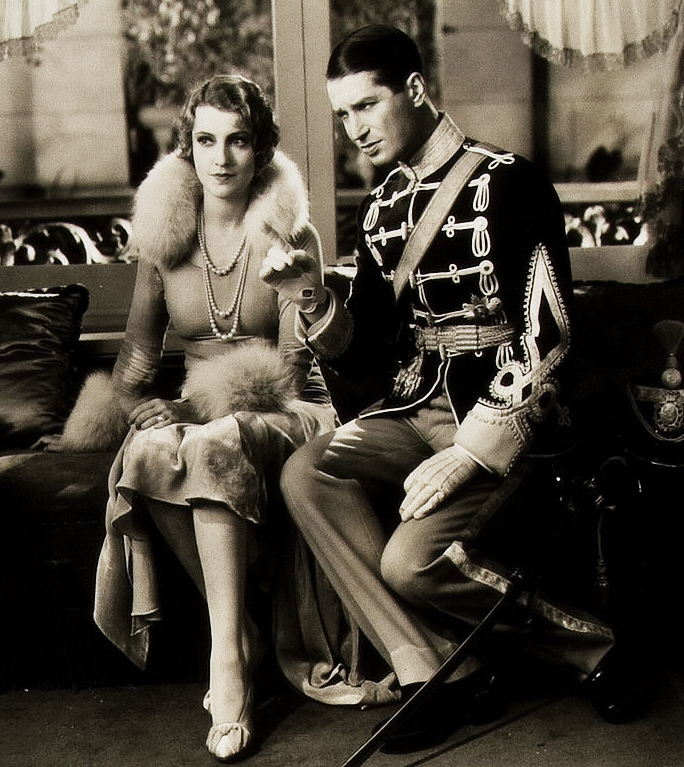
A toast to the lovers, Jeanette MacDonald and Maurice Chevalier.

Raise your hand if you know what “pre-Code” means. Did you get a little hormonal surge reading that term? If so then you really know pre-Code and all it implies and promises.

In the late 1920s, when sound came into motion pictures, the Hollywood studios began feeling their oats and things got very naughty very fast. All of a sudden, hookers, drug addicts, gangsters, murderers, cheating husbands and wives, and—egads—gay people started showing up in movies, and things got so supercharged that the morally righteous enforced a Motion Picture Code beginning in 1934 and heavily censored movies thereafter. Heavily, heavily censored them. But for an all-too-brief five years, movies were heaven—or hell, depending on your point of view.

Personally, I think it was the be-all and end-all time of the Golden Age, and I can only imagine the result if the Code hadn’t come in to tame your vintage libertines like Harlow, Lombard, Rogers, and then Lana and Rita—not to mention Gable, Cagney, and Flynn. Alas, we’ll never know.

The other day I watched a 1929 musical called The Love Parade that had a strange effect on my red blood. It’s a dreamlike operetta about a rakish French nobleman, Count Renard, assigned to the court of Queen Louise of Sylvania, a verging-on-spinsterhood proper young lady who, upon introduction to Count Renard and the reading of a report about his scandalous reputation back home in France, tries to surrender her virginity as quickly as possible.

They’re married before the end of the first reel and then things get predictably complicated when the proud and still naughty Frenchman grows restless as, basically, the do-less “first husband” of the land. A happy ending can only be achieved after the count has asserted his authority and the queen has given herself freely into submission to her man. The basic theme here: bad boys are the way to go!

Mission: Jimmy Stewart and the Fight for Europe by Robert Matzen

First impressions, lasting impressions for Queen Louise.

Even though this thing was made 87 years ago in fading black and white; even though they hadn’t really figured out sound recording yet and one sentence is over-modulated and the next is muffled, I think this picture is incendiary.

Mission: Jimmy Stewart and the Fight for Europe by Robert Matzen

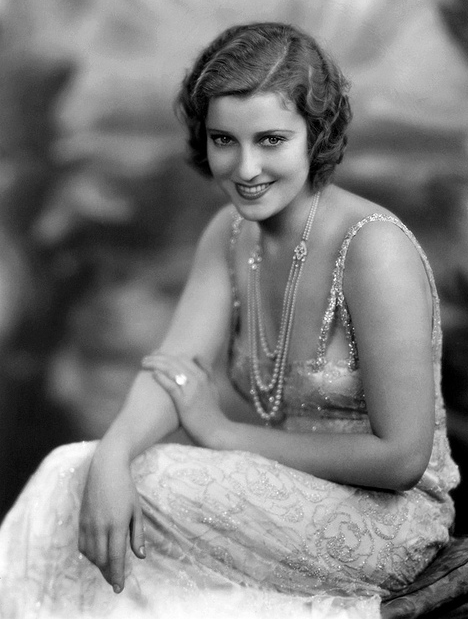
1930’s publicity photo

Jeanette MacDonald was 26 when she made her motion picture debut here after finding fame on Broadway. I can’t say I know much about early Jeanette pictures, and I hope my learned readership can enlighten me. Was she always this sexy before the Code came in? I heard myself say aloud, “She’s HOT!” while watching The Love Parade, and Mary said in her most doubtful voice, “Really?” Yes, really. Later on Jeanette would be teamed with Nelson Eddy, and together they’d take their operatic voices on an odyssey through many successful MGM musicals, all of them fine for family viewing, so this earlier incarnation of vine-ripening Ms. MacDonald was, to me, a pleasant surprise.

Maurice Chevalier was 15 years Jeanette’s senior and making his second American picture with The Love Parade. These two Paramount Players enjoyed chemistry together that would propel them into more pictures as a love team. From a distance, The Smiling Lieutenant, Love Me Tonight, One Night with You, and The Merry Widow seem to have been cut from the same bolt of cloth as The Love Parade—is that right? I’m pleading ignorance here because I’ve avoided early musicals studiously over the years and only knew Chevalier as the farcical grandfather guy from pictures of the 1960s. And the one the Marx Bros. tried to imitate in Monkey Business.

I also had no idea Chevalier was wounded in World War I and a POW for two years. Having some grasp of how the Germans felt about the French, I can’t imagine life in a prison camp from 1914 to 1916 was much in the way of fun, and maybe this gave Chevalier the joie de vivre that marked his screen persona—after you’ve seen hell, everything that followed had to be gravy, especially romping through a land of make-believe with Jeanette MacDonald.

Broadway entertainer Lillian Roth, then 19, took on the role of a maid in The Love Parade and spent her time as comic relief observing the torrid goings-on between the queen and count. I’ve got a glamor shot of Lillian on my wall that serves as testimony to my affection for the pre-I’ll Cry Tomorrow Roth, this being her memoir of addiction and recovery. Here she is at 47 interviewed by Mike Wallace about her life, saying at one point, “I’ve never felt … quite … adequate.” She describes a lifetime of not believing she was good enough, pretty enough, or talented enough (thanks to an abusive, perfectionistic stage mother)—all of which led Lillian Roth to the bottle for solace.

Mission: Jimmy Stewart and the Fight for Europe by Robert Matzen

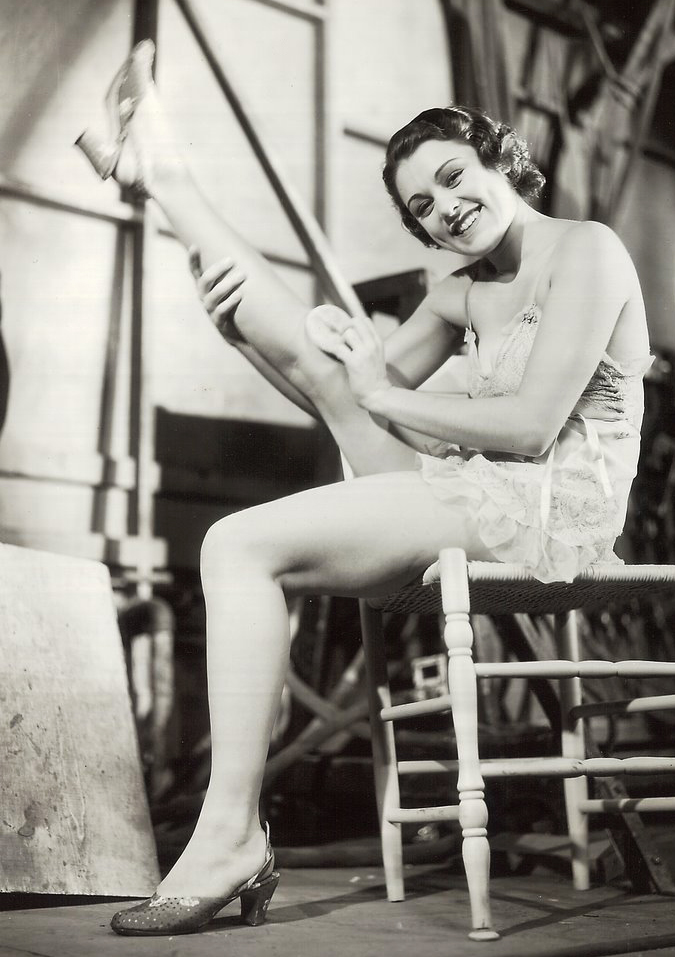
Lillian Roth shows some leg on a Paramount soundstage. At 19 she was more emotionally fragile than director Lubitsch realized.

The great Ernst Lubitsch directed The Love Parade, his first talking picture in a fantastic career that included crossing paths with two of my own biographical subjects, Carole Lombard (chronicled in Fireball) in To Be or Not to Be and James Stewart (covered in Mission) in The Shop Around the Corner. Lubitsch really did have quite the touch, a way of finding flesh-and-blood humanity, romance, and yes, deep sexuality in each and every picture. As detailed in Fireball, Gable referred to Lubitsch as “the horny Hun” and warned Mrs. Gable to stay away—you can imagine what sharp-tongued Lombard said to her husband in response. In I’ll Cry Tomorrow, Lillian Roth describes how the canny Lubitsch plucked her from the stage for Hollywood stardom in his first talkie with Chevalier, which led Lillian to assume she’d be the Frenchman’s love interest. But all along Lubitsch intended Roth and diminutive physical comedian Lupino Lane to play absurd counterpoint to MacDonald and Chevalier, and Lubitsch held fast to his vision even against Lillian’s tears and protests. The pain of this ego blow and its effect on her subsequent career comes through in the I’ll Cry Tomorrow narrative and served as one more factor in her descent into addiction.

The Love Parade was nominated for six Academy Awards, including an unlikely nod to the smug and self-satisfied Chevalier. Whatever, just watch and listen as Jeanette sings the haunting Dream Lover in that operatic voice and try to get it out of your head afterward. For good measure, here’s the instrumental waltz version. It’s a dreamy song for a picture about dreamy lovers.

Pardon me while I go panning for more pre-Code Hollywood gold. I’ve seen all the usual pre-Codes, but never thought to look under rocks labeled musical-comedy, where I shouted Eureka! upon discovery of The Love Parade.

Mission: Jimmy Stewart and the Fight for Europe by Robert Matzen

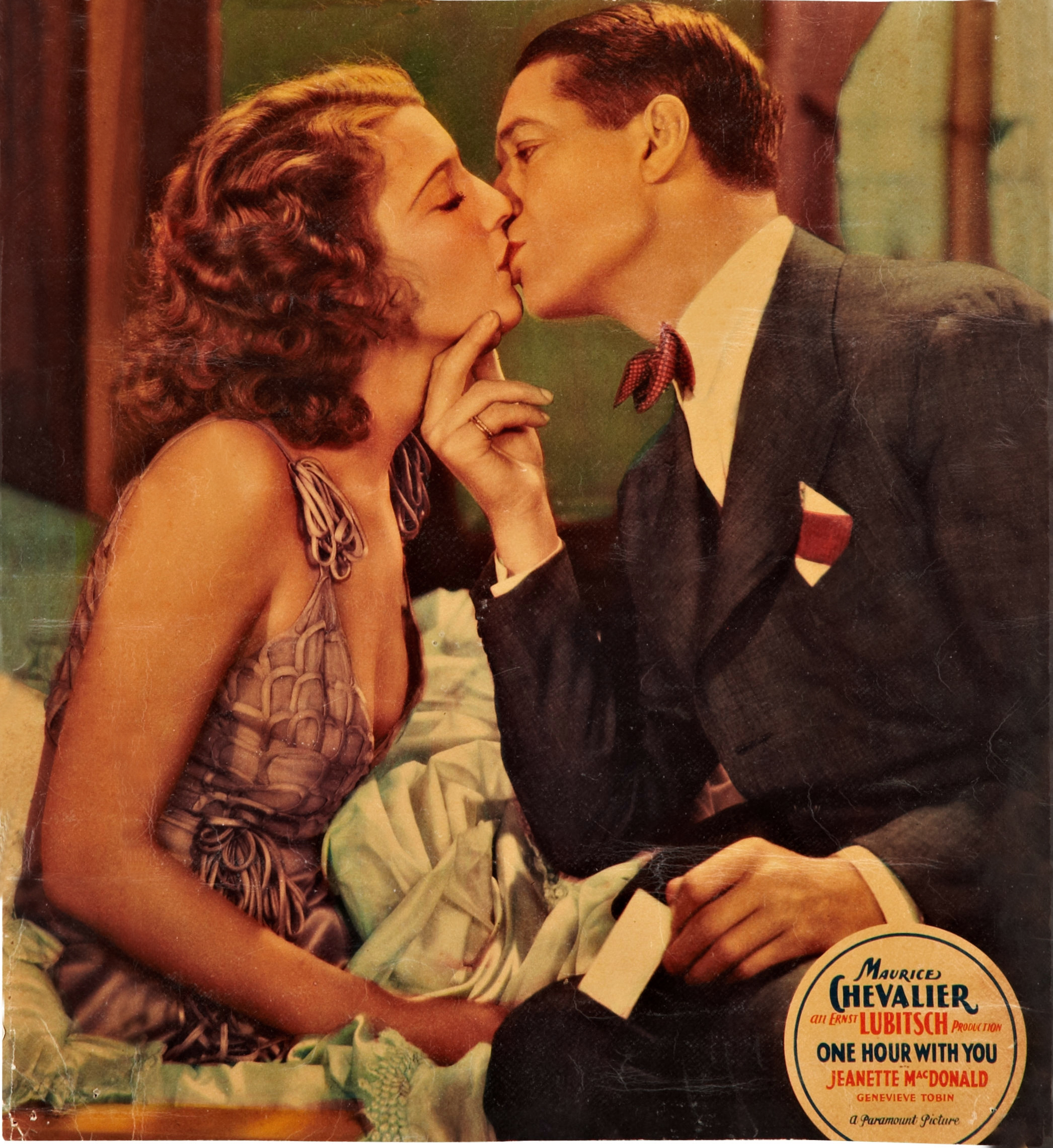
MacDonald and Chevalier, reunited in another Lubitsch production in 1932, and still smoldering.

Requiem for a Saint

I have a little more time on my hands now that Mission is off to galleys. Time enough to think, and it’s only occurring to me now after all these years how badly I wanted to be the Saint. The Saint, as in Simon Templar (initials ST, Saint, get it?), square-shouldered, impeccably dressed playboy adventurer who drove around England righting wrongs. He had no past to speak of, no hometown or parents or ex-wife. His ex-girlfriends only showed up when the plot dictated, and they were usually ne’er-do-wells who had stolen money or diamonds and fled some country or other leaving Simon behind, and now they were in trouble and needed his help.

Mission: Jimmy Stewart and the Fight for Europe by Robert Matzen

The Saint’s calling card struck fear in the hearts of the bad guys.

Since I write for more of a movie audience than a pop culture audience, I mention the Saint and you think George Sanders and that’s fine. George Sanders made a terrific everything, including an entertaining feature-picture Saint, but George was hampered by the constraints of RKO production in the 1940s, and so his Saint was what he was, a formula programmer guy operating under the Production Code.

I always wanted to be the Swinging ’60s Roger Moore Saint from the British-produced ITC series. I’ll grant you that Roger Moore made a mediocre James Bond. He was little more than a placeholder as Bond, and many would say he was no George Lazenby let alone a Sean Connery. I guess I could sit here and count the reasons why he didn’t work as Bond, and they’re the same reasons he did work as the Saint.

Despite the bon mots tossed off by Connery’s Bond (“She’s just dead” … “I guess he got the point” … “Shocking”), there was gravity behind every movement, gesture, punch, and gunshot. Connery was a thinking-man’s Bond with the fate of the free world in his hands. Moore was the playful Bond, a big kid in a global candy store, reflecting Roger Moore’s off-screen mischievous self, a force that could never be contained. I remember Bond producer Cubby Broccoli at one point decades ago commenting on “those damned eyebrows” of Roger Moore, eyebrows that would shoot up out of nowhere and puncture otherwise dramatic moments in the Bond pictures. The basic question is, how can someone who’s “licensed to kill” have all that mirth inside him? Roger Moore as James Bond just came off as M’s bad hiring decision.

But as Simon Templar, Roger Moore was unbound. In an early Saint book, author Leslie Charteris described ST this way: “The Saint always looked so respectable that he could at any time have walked into an ecclesiastical conference without even being asked for his ticket. His shirtfront was of a pure and beautiful white that should have argued a beautiful soul. His tuxedo, even under the poor illumination of a street lamp, was cut with such a dazzling perfection, and worn moreover with such a staggering elegance, that no tailor with a pride in his profession could have gazed unmoved upon such stupendous apotheosis of his art.”

Mission: Jimmy Stewart and the Fight for Europe by Robert Matzen

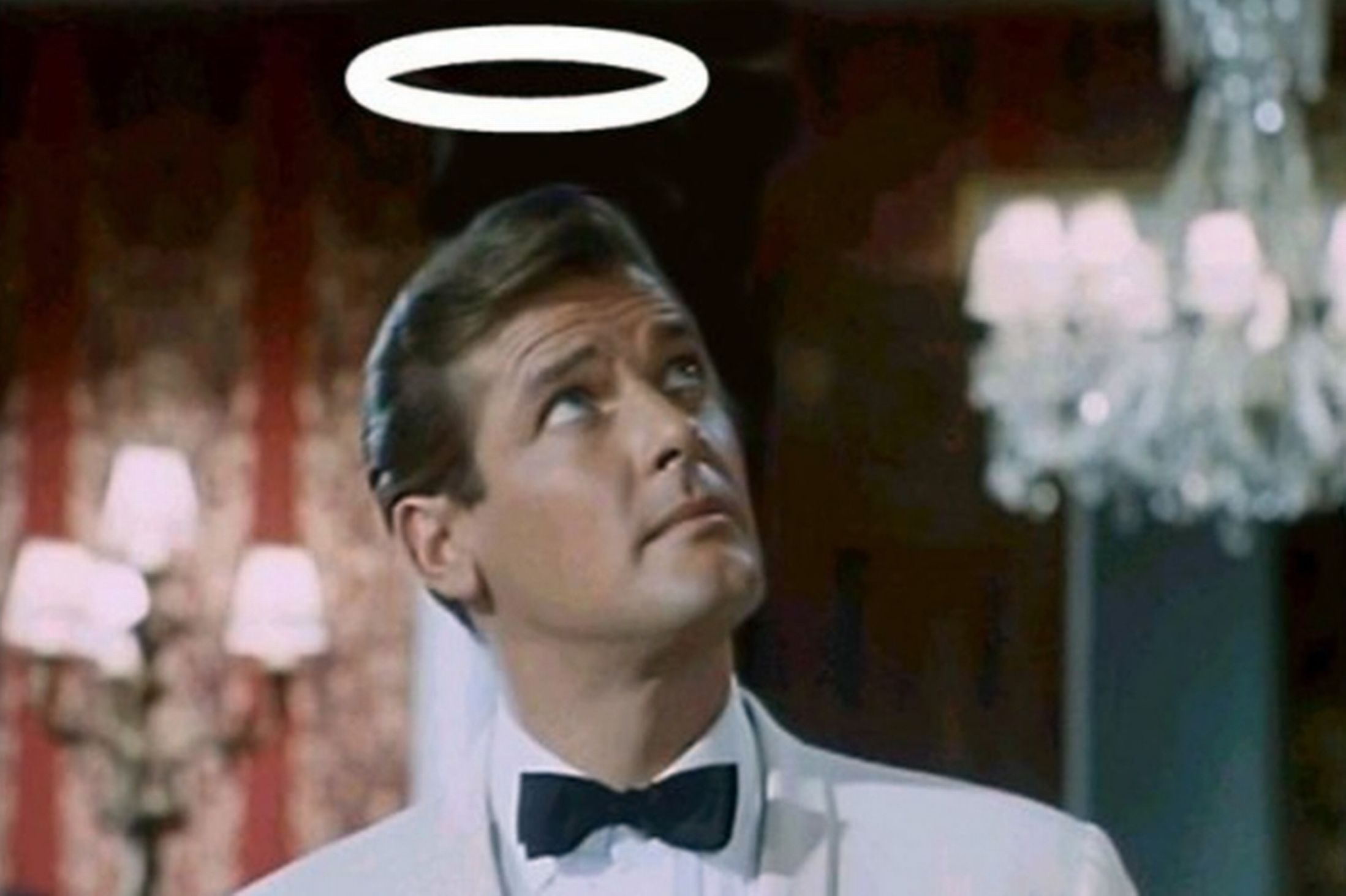
When Simon gives the halo a glance, it’s time for the opening credits.

Thirty-plus years after Charteris wrote that description, Roger Moore brought the Saint to life on TV in just such sartorial fashion, a smirking, self-satisfied force of nature, light hearted but deadly when he needed to be. He would drive up in his little white sports car to serve as a dashing instrument of justice that in mere moments from the beginning of each episode would come between evildoers and those they had oppressed. He brought his looks, wits, brains, style, and athleticism to bear on any situation and without the need for licenses, possessing an ambiguous morality that made him capable of straying outside the law as needed. The prologue would always culminate with someone growling something to the effect that “the infamous Simon Templar” had just arrived, and he would look up at the halo that suddenly appeared over his head, which would cue the theme music. In fact, and particularly in the early years (the show ran 1962–69), Moore wouldn’t just bump into the fourth wall but he’d rip it down, addressing camera about where he was and what was going on around him with such easy charm that you just bought it. If you want to see me truly happy, just put on an episode of The Saint and leave the room. I’ll be babysat for the next 55 minutes.

Mission: Jimmy Stewart and the Fight for Europe by Robert Matzen

Years before Moore’s Bond had secretarial byplay with Lois Maxwell’s Moneypenny, they worked together on The Saint. (As a 10-year-old boy I was gonzo for Moneypenny. I’d sit in the theater screaming in my own brain, “OH MY GOD, HOW CAN YOU RESIST HER??”)

Moore was 35 years old when he began his run as the Saint; Roger was ex-military and an ex-clothes model who had been signed to a contract by MGM toward the end of the studio era. He never made any claim to being Olivier; he didn’t have a lot of range, but as Simon Templar he didn’t need it. He was charming and unafraid to take chances in front of the camera. He was also the perfect age to play the Saint from the beginning of the run to the end, finishing at age 42. By the time he shot his first Bond in 1973 he was already 46, and seven pictures later when he ended his run as 007, he was 58 and looked older than that and not very interested in what was going on. And by then, thanks to the aforementioned Broccoli, the human James Bond facing human crises had long ago been replaced by special effects James Bond with gadgets and explosions and existence in a world where gravity didn’t apply. All the while Moore kept aging and the Bond girls kept being 20 or 25 and it got kind of weird—that Gary Cooper-Audrey Hepburn kind of weird. Or Humphrey Bogart-Audrey Hepburn weird. At some point, for Roger Moore, it all stopped working.

Mission: Jimmy Stewart and the Fight for Europe by Robert Matzen

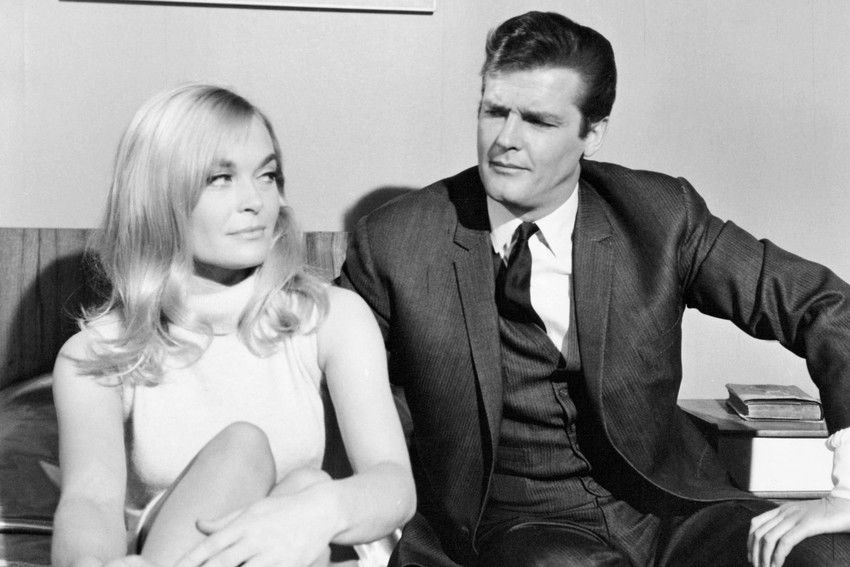
Another Bond girl to come the Saint’s way–Goldfinger victim Shirley Eaton.

After another successful book or two, you know where you’ll find me, in a tux driving around London in my white sports car righting wrongs, or on the Riviera playing baccarat with a brunette on each arm and a halo over my head, talking to the camera, knocking out bad guys, stealing from the evil rich, keeping what I need, and giving what’s left to the oppressed poor, just the way Leslie Charteris wrote it all those years ago.

Or, at the very least, they’ll drape a shawl around my shoulders and plunk me in front of the TV to watch Roger do it, taking comfort in the knowledge that I won’t be likely to wander away from the facility and into the woods to be found face-down in some ditch. At least not for the next 55 minutes.

Mission: Jimmy Stewart and the Fight for Europe by Robert Matzen

The one, the only Roger Moore as a smirking Saint, dressed to the nines (I could never keep the bow tie on a tux straight) and out to destroy that irritating fourth wall.

Brute Men

Mission: Jimmy Stewart and the Fight for Europe by Robert Matzen

The gate to the corral is open, and I’m free! Free, I tell you! I’ve let everyone and everything go to concentrate on the book (to my understanding friends I say, thank you) and now finally it’s gone and I can begin to live my life again.

Last night I was ready for bed and watching House of Horrors on Me-TV’s Svengoolie. I’ve spent my life catching glimpses of Rondo Hatton but never really thinking about Rondo Hatton until last night, thanks to Sven’s thoughtful summation of Rondo’s life and times. You know, I have to applaud Rich Koz, the brilliant one behind the brutish makeup of Svengoolie, because it’s clear Rich is one of us, with a deep passion for classic Hollywood that is bound to go way over the heads of some in his audience, as when he details the life of a Virginia Christine or a Robert Lowery.

OK, so let me back up yet another step. In the 1930s Universal studios made classic monster pictures like Frankenstein, Dracula, The Mummy, and The Wolf Man. These characters became cash cows and were recycled through the years of World War II until they became pretty terrible B-picture derivatives made on limited budgets, with few original ideas coming along. But House of Horrors, released in 1946 at the tail end of the Universal Horror cycle, was pretty good with its story of an impoverished sculptor, played by Martin Kosleck, who is about to drown himself in the river when instead he pulls a brutish man out of the water and nurses him back to health. Rondo Hatton is that rescued brute, who in his gratitude begins to murder art critics who had disparaged the sculptor’s work.

Mission: Jimmy Stewart and the Fight for Europe by Robert Matzen

Rondo Hatton in high school.

I connected with Rondo last night like I never had before. In very few words he conveys gentle intelligence that goes against the grain of those looks. Hatton was born in 1894 to educated parents and grew up in Tampa, Florida. He was quite the dashing figure as a teen and joined the U.S. Army, serving in Mexico against Pancho Villa in 1916 and then in the Great War. It was here his health began to suffer due to a pituitary condition called acromegaly that causes an overproduction of hormones, with the result being deformity in soft tissue. Sven postulated that German mustard gas had triggered the condition, which may be borne out by the fact that Hatton was discharged from the Army for illness before his tour of duty was completed. In other words, whatever happened, happened pretty fast.

Hatton became a newspaper reporter for the Tampa Tribune, where his ever-more-unusual looks were noticed by director Henry King during production of Hell Harbor on location in Tampa. King gave Hatton a small part in the picture. By the later 1930s Hatton’s Acromegaly had progressed to grotesque deformity that made him a natural for more motion picture work, so off to Hollywood he went, landing bit parts as a bodyguard or henchman or pirate—wherever a rogue’s gallery was being presented. The more old movies you see, the more you go, “There’s Rondo Hatton.” You see him so often he just blends right in with the fabric of classic Hollywood.

Mission: Jimmy Stewart and the Fight for Europe by Robert Matzen

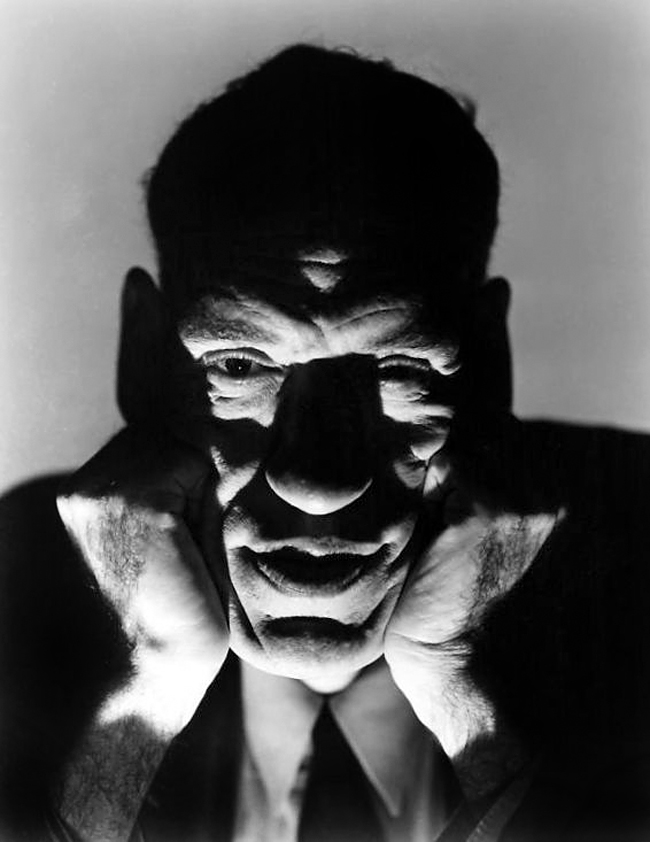
Well, who doesn’t appear scary with the flashlight-up-the-face look? I like this pic for the Mona Lisa smile and a hint of, “It’s a living.” His acting style in both “House of Horrors” and “The Brute Man” make me want to sit down and have a drink with this Hollywood veteran. If only.

Finally, in 1944 he landed at the most natural place in the world, Universal Pictures, which saw him as a “monster without makeup” and cast him as the featured killer in its Sherlock Holmes picture, The Pearl of Death, starring Basil Rathbone. After that Rondo was on his way, with nice billing in pictures

Svengoolie aka Rich Koz

Svengoolie, aka Rich Koz, an appropriate name since he works so hard, furthering the cause of classic Hollywood.

including Jungle Captive, The Spider Woman Strikes Back, and then House of Horrors, where I rediscovered him last night. Here was Rondo at age 51 and in the last few months of his life. He would die of a heart attack resulting from his condition on February 2, 1946, six weeks prior to the film’s release. Another similar picture and his last, The Brute Man, would be released that October.

I just wanted to pause a moment to appreciate Rondo Hatton for making the most of his life and earning a spot in the Hollywood pantheon. He was given some nasty lemons at an early age, and made some terrific lemonade; we should all do so well. Appreciation also goes to Rich Koz for his ongoing gift to the world: hours of enjoyment while bearing the torch for classic chillers on Svengoolie.

Rendering in 3D

I sat at the barber shop yesterday staring at a poster of the late Roberto Clemente framed on the wall. The shop is decorated with framed art of Pittsburgh sports heroes. The Clemente print showed various views of the one-time Pirates baseball star and I thought back to my youth sitting in the first row of the right-field bleachers watching Clemente up close. I know I’ve mentioned before that my sister would take me and Roberto knew her by name. Between innings when it was quiet he would talk to us in the stands and I remember this guy in brilliant, full-color 3D when he was more than a memory and a poster on a wall. Sitting there thinking about how long ago that was now made me both sad and nostalgic–we’re here on this earth for what really amounts to such a short time; it’s important to make each day count.

Mission: Jimmy Stewart and the Fight for Europe by Robert Matzen

The poster on the barber shop wall.

Right now I’m busy trying to turn Capt. Jim Stewart back into a 3D human who flew in combat in World War II. The manuscript for Mission: Jimmy Stewart and the Fight for Europe is now in final editing and I’m doing things like chapter notes, photo captions, and acknowledgments. I’m very happy with the book and think it will answer a lot of questions about Stewart’s service during the war. You want to talk about action and adventure; be sure to wear your safety harness and take your Dramamine because you’re in for quite a ride at 20,000 feet. Mission cleanup is why I’ve been so quiet this past month, because there’s a lot going on and not enough time. (Commercial plug: Look for the 400-page hardcover Mission, including 16 pages of rare photos, on Amazon and at a bookstore near you beginning October 24!)

For now I’d like to point you to an interesting Journeys in Classic Film think piece on Errol Flynn’s 1939 super-western, Dodge City. I also read this article at the barber shop (it was a long wait). I just loved being able to enjoy a fresh and thoughtful interpretation of this 77-year-old near masterpiece; it’s one of collections of words that makes me say, I wish I had written that. Actually, I wish I were smart enough to write that.

Enjoy, and I’ll be back soon with fresh material.

Mission: Jimmy Stewart and the Fight for Europe by Robert Matzen

Errol and some of the boys.

Those Damn Peaks

Fireball: Carole Lombard and the Mystery of Flight 3 by Robert Matzen

Carole Lombard and dignitaries just off the east steps of the Indiana State House in Indianapolis on January 15, 1942. As of now, she had less than 36 hours to live.

If you’ve read Fireball: Carole Lombard and the Mystery of Flight 3, you know the significance of January 16; a year ago, since the date coincided with the fall of weekdays culminating in Friday January 16, I conducted a Twitter campaign to take you minute by minute through Carole Lombard’s last hectic 36 hours of life in real-time. That exercise taught me just how fast she careened toward her own death. It’s 11:30, she’s here; it’s 12:15, she’s there; 2:05, time for a wardrobe change to be here at 2:15. She had spent Thursday January 15, 1942 dashing and appearing. Make a speech, sell bonds, dash a few blocks to raise a flag, change clothes, go to a tea, change clothes, go to dinner uptown, then motorcade to the evening “gala.”

Fireball: Carole Lombard and the Mystery of Flight 3 by Robert Matzen

Mary Anna Johnson was a young federal researcher when she saw Carole Lombard board TWA Flight 3 in Indianapolis. Mary would be bumped from Flight 3 before it crashed, and tell me all about the experience 70 years later.

Last year’s Twitter recreation of the timeline for today, January 16, took a more linear turn. Imagine you’re flying west on a TWA red-eye, and it’s the middle of the night and you stop in lonely Indianapolis. Modern air travelers have no frame of reference for what a DC-3 interior was like. Basically you sat in the equivalent of a big tin can, sloped uphill, in terrific noise. You can’t imagine the noise of two commercial transport engines on either side of you, so if you got on the plane at LaGuardia or Newark and hopped your way west, by the time you reached Indianapolis, you were bushed. Sleep, when it came at all, was fleeting and fitful. Then as you sit in the silence of a darkened tarmac (the tinnitus of those engines still in your ears), your flight attendant, known then as an “air hostess,” announces that a VIP is boarding and please respect her privacy. Onto the plane steps Carole Lombard, her mother, and their PR man, with Lombard still wired from all she had experienced in the last 18 hours, from her first appearance in Indianapolis on.

As I write this I guess she’s somewhere over Missouri and now she’s sleeping fitfully and fleetingly while flying beside and in front of two passengers who are spitting mad at her for making them travel by air at all. Spitting mad. This is one of many aspects of the story that people don’t quite get because there are no photographs to depict it and few eyewitnesses spoke of it, but this party was Unhappy with a capital Un. Carole’s mother, whom she knew as “Petey” sometimes and “Tots” most of the time, would go to her fiery death furious at her daughter. PR man Otto Winkler would spend his last day trapped on the tin can and anticipating an air disaster because he had dreamed it would happen. So here he is right now over Missouri, expecting the worst after he had expended all his energy in Indianapolis and then hadn’t slept all night. Imagine, just imagine…

Stop after stop followed as the TWA’s transcontinental Flight 3 hedge-hopped west, stopping to pick up and drop off passengers and mailbags and to top off the tanks for the next leg. Then there’s another aspect of the thousand aspects to the story: the Army Air Corps guys. They had gotten onto the plane in dribs and drabs and by the last stop, the unscheduled stop in Las Vegas, there were 15 of these fliers on the plane as passengers, and only four civilians. One of the reasons I decided to write the manuscript I’m finishing today, Mission: Jimmy Stewart and the Fight for Europe, is because of the affinity I feel for the Air Corps boys after writing Fireball. Newspapers reporting the crash of the plane gave the impression these young men were all pilots, but they weren’t. They were also co-pilots, navigators, radio men, and engineers. They were parts of flight crews in the Ferrying Command who took medium and heavy bombers east to the war, then snagged commercial flights back to California and did it over again. In the coming months these young guys were expecting transfer to American bases where they would train Air Corps conscripts because experienced Air Corps fliers were in short supply. Then after promotions they’d head to Europe or the Pacific as senior-level officers or non-coms.

Fireball: Carole Lombard and the Mystery of Flight 3 by Robert Matzen

A TWA DC-3 transcontinental Sky Club of the kind that crashed on this date in 1942 killing the flight crew, 15 Army Air Corps fliers, and four civilians, including Carole Lombard.

The life of an army aviator wasn’t easy because their ships were reliable and yet not at all reliable. We were then just out of the era of the biplane and still figuring out multi-engine aviation. Here’s something else to think about: When TWA Flight 3 took off into the Las Vegas darkness on this night, January 16, the 15 fliers sat there in the noise analyzing climb rate and engine performance. They could feel the overweight ship laboring to reach altitude because this is what they did for a living—they flew multi-engine planes. And since they were flying out of McCarran, an army airfield, they all knew Vegas and the dangers of the surrounding mountains and must have been wondering where those damn peaks were. But some of them also knew the pilot, Capt. Wayne Williams, because he had been teaching classes for the Army in multi-engine flying so they’d figure, with Capt. Williams up there, we’re OK.

They weren’t OK. A whole bunch of little things happened along the way that conspired to put Mt. Potosi in the way of Flight 3 as she power-climbed to altitude. The result: fireball—the image in my mind for years as I’d fly through Vegas and look over at Potosi and imagine what the people of Las Vegas witnessed in the western sky this night at about 7:30 local time. From 30 miles off they saw a little pinpoint of light that represented 22 humans going up in flames. I’m very fond of, and feel close to, all of them, not just Carole, Petey, and Otto, and on this January 16, with the trees barren and the sky appropriately gray, I’ll look at my watch and think about where they were and what they were doing on this, the last day of their lives.

Fireball: Carole Lombard and the Mystery of Flight 3 by Robert Matzen

Mt. Potosi, Nevada. Imagine TWA Flight 3 coming into view from the right and power climbing toward the distant peaks. At just about dead center in the photo she hit the rock cliff walls just below the peak in the dark at 185 miles per hour.

Silent Night, Creepy Night

Mission: Jimmy Stewart and the Fight for Europe by Robert Matzen

When The Bishop’s Wife didn’t generate sufficient box office, Goldwyn and RKO altered the title to suggest shenanigans.

There’s a tremendous distinction between Christmas and the day after Christmas. Ever since I was a kid the day after Christmas was cast in black and white; a drab, depressing, downer of a day. I say this because most of you will be reading this after the Big Day and the impact will be lessened, but Christmas morning is the first chance I’ve had to sit down and contribute to my own column of late, so, here we are.

I’ve tried to get in the spirit this year, really I have, but it’s been no-go. I sampled the usual holiday pictures, those touchstones that help us orient ourselves in time-of-year. I wanted to watch It’s a Wonderful Life the other night on NBC because it’s so key to the plot of my almost-completed book, Mission: Jimmy Stewart and the Fight for Europe, but I walked in after it had begun and endured 5 minutes of commercials, at which point I bailed. I did sit through The Bishop’s Wife last evening, which is a picture I used to love but which, over the years, began to produce creepy feelings in me, and now I watch it the same way I do Silent Night, Evil Night, just to feel my skin crawl.

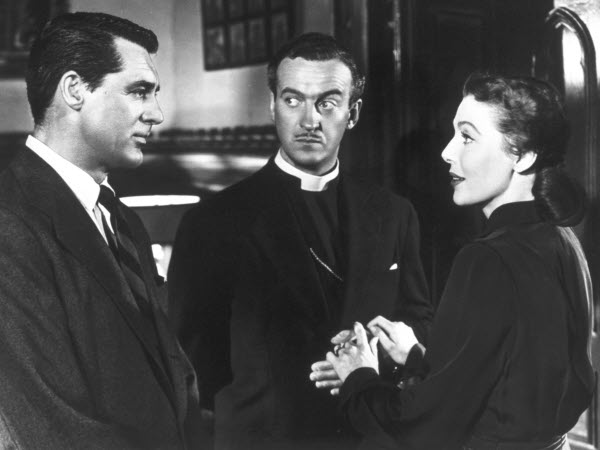
It’s been a while since you’ve been mad at me, so I think it’s time I reveal my feelings for this beloved holiday classic. For those of you who have never seen Samuel Goldwyn’s Christmas story, The Bishop’s Wife, you really owe it to yourself to spend two hours with Cary Grant as an angel sent to earth to guide the bishop, played by David Niven, his wife Loretta Young, and curmudgeon professor Monty Woolley. I now would like to go on record to describe these actors portraying these characters as creepy, creepy, creepy, and creepy.

Mission: Jimmy Stewart and the Fight for Europe by Robert Matzen

The three stars, Cary Grant, David Niven, and Loretta Young.

First the no-brainer. Monty Woolley is supposed to be playing a charming old curmudgeon but somewhere in his backstory I feel like there’s a molestation or two. Everything about him is a little too dark, from his hoarder apartment to his writer’s block to his drinking problem. But then I’m not now and never was a Monty Woolley fan. To give you a comparison, if you were to offer me the choice of an hour with Woolley or with Thomas Mitchell (see previous columns), I’ll take Mitchell every time.

Loretta Young by this point in her career had acquired a hard, stretched, unnatural look that belies her tender age of 34. I never thought about it but she screams plastic surgery in this picture and her very appearance and particularly that hideous hat she dons in reel two and forces us to endure through the end of the picture make this woman utterly unappealing to at least one heterosexual male.

David Niven as a bishop?? Come on, need I say more. Errol Flynn’s drunken pal David Niven, playing 1000-percent against type as a man of God is just too much for me. What denomination are you again, your holiness? And what is it exactly you need help from an angel for, anyway? You are trying to build a church of some sort, and there isn’t enough money…or something? That’s the murkiest part for me, trying to figure out why the angel has come to earth. Because the reverend isn’t paying enough attention to his wife? Because he’s not building his temple? Or is it just because he’s depressed at the holidays? If that’s the case, I’d think there were better candidates for angelic visitation than a guy with a job, a big house, a wife, kid, servants, and dog.

And here’s where I speak genuine heresy. I find Cary Grant as Dudley the angel to be the creepiest thing of all about The Bishop’s Wife. Let’s compare him to Clarence in It’s a Wonderful Life for just a moment. Clarence is an innocent. He’s ingenuous, earnest, and so lovable we want him to earn those wings. Dudley skulks, comes around corners to startle people, has a seductiveness about him that drives the maid wild, and all but seduces the bishop’s wife. I mean, really, when he finally propositions her it’s anti-climactic because of all that’s come before. He’s an angel who seems to me like he’d be much more comfortable in Kevin Smith’s Dogma than he is in a 1947 Goldwyn picture.

Mission: Jimmy Stewart and the Fight for Europe by Robert Matzen

Is it just me or do you prefer your angels just a little less lustful than Cary Grant’s Dudley, who seems to be eyeing up the bishop’s wife like a Thanksgiving turkey.

Now, all this is on the one hand. On the other hand, there are classic moments as well, thanks mostly to the character actors populating The Bishop’s Wife. James Gleason does his usual thing as a cab driver who is unnecessary to the plot, but character actors have to eat like everybody else. Elsa Lanchester is gently wonderful as the maid in love with Dudley. Regis Toomey should have played the bishop because he’s such a good guy by nature and that energy always shows through onscreen. Don’t you want Regis Toomey to overcome whatever obstacle he’s facing in whatever picture? There’s not a creepy bone in Regis Toomey’s body.

Mission: Jimmy Stewart and the Fight for Europe by Robert Matzen

The darkest aspect of all: that hideous hat, which I’ll be seeing in my nightmares.

Then there’s Gladys Cooper, who steals the show as Mrs. Hamilton, the bitchy old rich lady who hamstrings the bishop with demands for recognition in exchange for her money to build whatever church it is the plot centers around. The scene where Dudley unlocks the awful secret tainting Mrs. Hamilton’s heart is beautifully played by Cary Grant and Gladys Cooper, but once again I get a little uneasy because the secret involves a wild love affair between the lady and a composer who died young. She’s still carrying a torch for the guy 45 years later and never loved her rich, dead husband—although she married him anyway and did all right for herself. I’m all for love, don’t get me wrong, and torch-carrying, but there’s something oppressive about this storyline in this instance for some reason I can’t quite put my finger on.

Sex, greed, and death; yes sir, I always want these in my 1940s holiday classics. I find my own favorite Christmas movie, Die Hard, to be much less ambiguous than The Bishop’s Wife, but that’s just me. Isn’t it funny that three of our enduring holiday pictures, It’s a Wonderful Life, Miracle on 34th Street, and The Bishop’s Wife were all made within two years of the end of WWII? And it’s no coincidence that all three have their dark aspects as a result.

There, I’ve had these feelings about The Bishop’s Wife locked up inside for too long and now I feel better for having revealed them, just like Mrs. Hamilton. Now maybe I’ll be nice too. Unlikely, but possible, in which case Dudley will have saved another one. Am I the only one who feels this way about this picture? Are there other holiday classics that everyone around you loves while you just don’t get it?

For those of you who happen to wander in within the next week, Happy Holidays! I have a feeling, a very strong feeling, that 2016 will be an exciting time, and I hope it will be a grand, healthy, successful year for each and every one of you.

HIGH HOPES AND A BATTLE

Mission: James Stewart by Robert Matzen

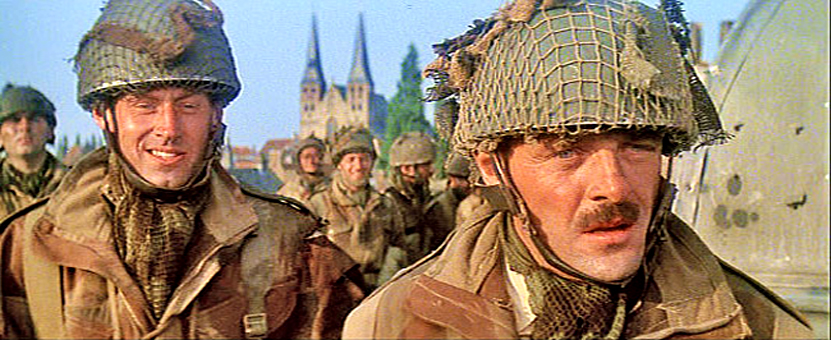
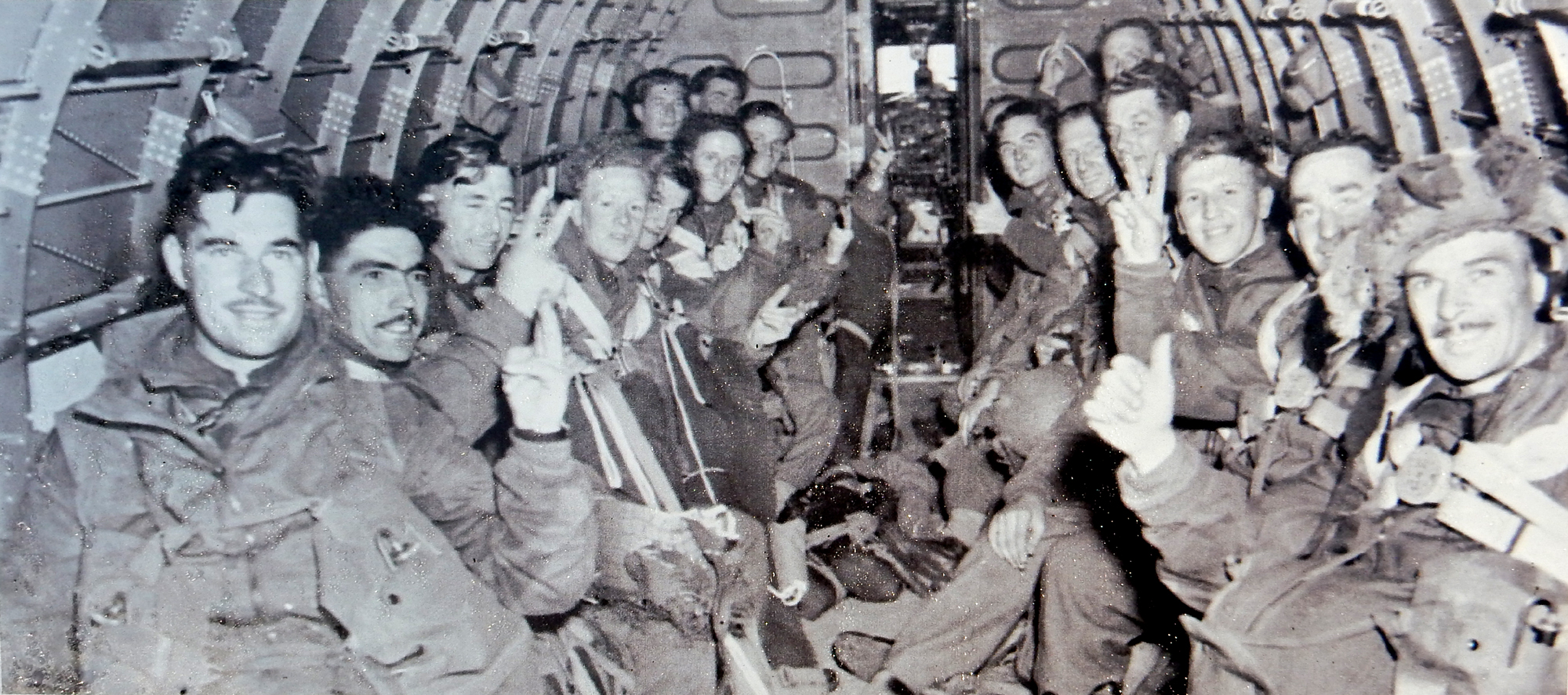
British Airborne troops flash the V-for-Victory sign and give thumbs up on the way to their drop zone near Arnhem.

Once upon a time, all-star films were all the rage. I was trying to figure out when it started and I’m sure you know better than I. Was it The Story of Mankind? That pre-dates Around the World in 80 Days, right? Then the all-star game found war pictures and The Longest Day was born, which I consider the go-to look at D-Day even though it was G-rated and the real thing was For Adults Only. No, really, the real thing wasn’t for anyone, it was so brutal. I’m always struck by the opening moments of Saving Private Ryan, a picture I despised otherwise, when the gate of the landing craft went down in the surf near the beach, and we saw a glimpse of what the guys really went through.

Darryl Zanuck had the vision for The Longest Day, and it worked in spite of its lumbering, all-star self. Next came The Great Escape, probably the most successful of the all-star service pictures. Then Zanuck tried it again with Tora, Tora, Tora! about Pearl Harbor, and his all-star cast wasn’t quite so stellar for budgetary reasons, but the picture still succeeded, I think because the stars weren’t so big they demanded their own vignettes. It became an ensemble of very good but not overwhelming players—exactly the feel achieved in The Great Escape.

Mission: James Stewart by Robert Matzen

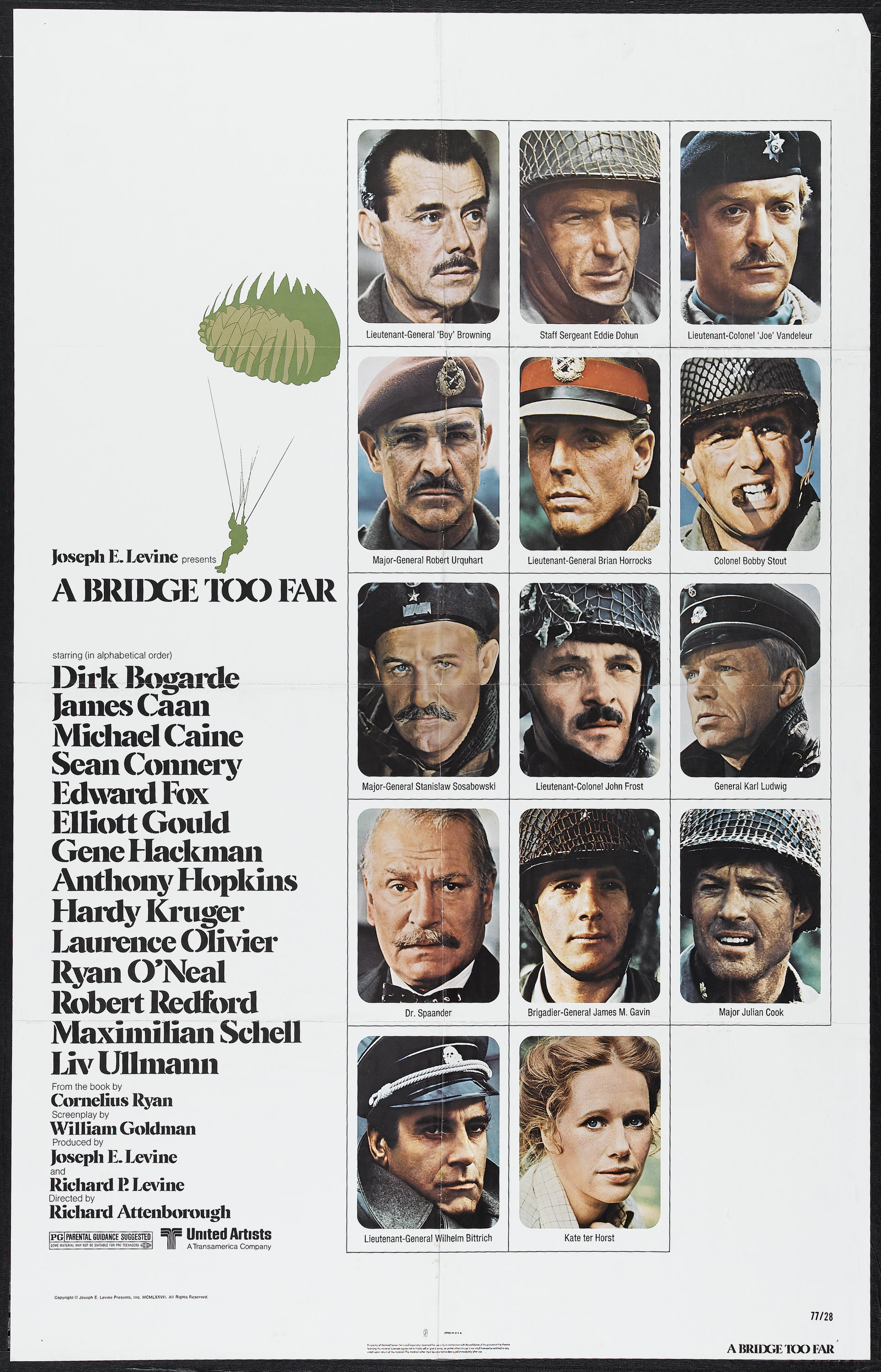
One-sheet movie poster for A Bridge too Far, released in 1977.

Midway was a last gasp at the traditional, all-star war picture told with old-time apple-pie sensibilities, even though we then lived in the post-MASH, post-Catch-22 world of revisionism, a world that had already seen The Dirty Dozen and Kelly’s Heroes, which overlaid modern sensibilities on World War II. I saw Midway in a big theater on first release in 1976 and thought it was OK at best. A veteran of the war in the South Pacific who also saw it was laughing afterward at the mismatched stock footage and wrongly placed vintage aircraft depicted; by this time the pickings of available fighter-bombers was already pretty slim. Really, Midway had the ambition but not the budget and needed the gimmick of the day, sub-woofer Sensurround, to try to put derrieres into seats.

In the wake of Midway, there was one great World War II historical novel by Cornelius Ryan hanging out there that hadn’t been brought to the screen, A Bridge Too Far, about a well-meaning, wrong-headed plan called Operation Market Garden that sought to bring World War II to a rapid close in September 1944. Producer Joseph E. Levine envisioned A Bridge Too Far as an all-star service picture with a script by William Goldman that made no bones about bludgeoning the audience with Monday morning quarterbacking and an “Isn’t this ironic?” attitude.

I’m not going to critique the resulting picture. Either you like it or you don’t. What I will say is it’s quite a setup for actually visiting Arnhem, where the action took place, and the history is heavy there in those streets where British paratroopers went up against a ferocious last-stand German defense. In a nutshell, a large force of British paratroopers were dropped near the Dutch city of Arnhem behind German lines to capture a key bridge over the Rhine as part of a larger plan involving a sudden Allied push north through Holland to cut the German front in two. We drop you up here, we slice north from down here, we meet up in Arnhem, war over. Simple. Dismissed, see you at the surrender ceremony.

Mission: James Stewart by Robert Matzen

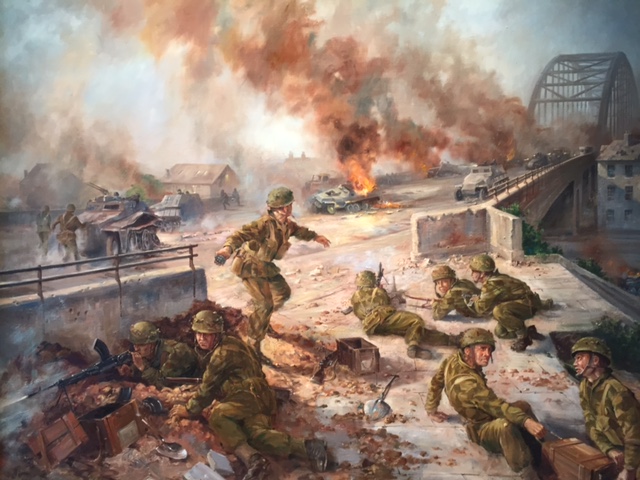
Artwork in the British Airborne Museum in Arnhem shows the battle for the bridge, with Tommies who were unequipped to fight tanks holding off advancing German armor.

Mission: James Stewart by Robert Matzen

Roughly the same view in November 2015 at sunset.

The plan was complicated by only one wee little factor: German forces fleeing the Allied advance through France after D-Day were ordered to regroup at none other than Arnhem. I mean, at just about the time the paratroopers were climbing aboard their aircraft in England, the Germans just happened to be stopping in Arnhem. Many didn’t even have weapons—they had turned them in because they were about to board trains back to Berlin for refitting. They were just there, weary and shell-shocked after the Allied invasion, thinking they were about to see home. Then here come these poor British paratroopers dropping all around, guys who thought they would be fighting a few Nazi-sympathizer Dutch home guard troops. Instead, a couple divisions of SS Panzers and what was left of the real German army got the surprise of their lives as British paratroopers floated to earth, and then the Germans regrouped, outnumbered the Tommies, and took care of business. The dreamed-of liberation of Arnhem’s besieged population became a bloodbath for British soldiers, first at the Arnhem Bridge and then in the city center where the paratroopers retreated.

Mission: James Stewart by Robert Matzen

The overwhelming sight of graves for all the British and Polish paratroopers who died in the Battle of Arnhem.

Two weeks ago I was in Arnhem to get a feel for the Dutch people—to get their vibe for the portions of Mission that take place in Holland. They drive on the right side of the road in Holland, thank God, so tooling around the countryside was a lot of fun, but did you know they don’t have windmills anymore? Only one traditional windmill, ONE, was seen in hundreds of miles of Holland. All they’ve got these days are wind turbines, giant, cold, silent wind turbines like you can find anywhere. I had to wonder what Don Quixote would think of this unfortunate turn of events.

So anyway, back to the Richard Attenborough-directed picture, A Bridge Too Far. All right, I will critique it. There was a whole lot to explain and too many times the explanations weren’t clear or clever enough so it just seemed like a lotta explosions. We don’t get a sense of the ultimate irony that the Germans just happened to be regrouping here of all places, which makes the parachute drop so heartbreaking for these brave, well-meaning Tommies who expected to win the war in a week and ended up in a Custer’s Last Stand scenario in downtown Arnhem.

No, I take that back. The worst thing about A Bridge Too Far is Ryan O’Neal, who at 36 was just clueless portraying a real-life general of roughly the same age. If you watch the picture you have to wonder what the real actors around him were thinking as he so cluelessly recited his lines.

No, I take that back. The worst thing about A Bridge Too Far is Gene Hackman’s Polish accent. He seemed to know he couldn’t get it right, but he soldiered on anyway. That’s bravery, in the actor sense of bravery, which isn’t quite the paratrooper sense of it.

No! The worst thing about A Bridge Too Far is the Americans. Yes, that’s it, the Americans. Because it was an all-star picture and U.S. box office meant everything, the American stars had to have big parts. A-number-1 big star of the day, Robert Redford, got a 15-minute vignette as an Airborne major ordered to get his men across a river in poor-quality rowboats; B-number-2 star of the day, James Caan, got 10 solid minutes as a sergeant trying to save an officer’s life; C-number-3 star of the day, Elliott Gould, negotiated for 15 minutes of screen time to build a Bailey bridge. Yes the American 82nd and 101st Airborne mattered to the plot, just not enough to justify all the close-ups. This is a British story—just let it be a British story.

Mission: James Stewart by Robert Matzen

Anthony Hopkins as Col. John Frost, leading his confident men into battle after a successful parachute drop near Arnhem.

Then there’s the best thing about A Bridge Too Far, Anthony Hopkins as Col. John Frost trying to take and hold Arnhem Bridge, and then continuing the fight until his ammo and food ran out. He earned his way onto my Mt. Rushmore of great screen characterizations of all time with his take on the quintessential, stiff-upper-lip British officer in a hopeless situation. In this picture, Anthony Hopkins is simply, how can I say this … perfect. It’s worth it for anyone to slog through A Bridge Too Far to get to the Hopkins moments because they are magical. He is all those British boys rolled into one. He is every corpuscle of every man who fought and died on those streets in 1944.

Walking across the now-called John Frostbrug (John Frost Bridge) in Arnhem was a chilling experience knowing what happened there. Visiting the Airborne Cemetery had me in tears the instant I saw all those smart formations of headstones, each representing a brave Tommy or Pole who paid the ultimate price. I wasn’t prepared for the emotion of that moment, especially with plaques at the gates of the cemetery in multiple languages that included photos of the Airborne guys in the planes on the way over the North Sea flashing V-for-victory signs, all smiles as they flew with their high hopes and noble intentions only to die in a hail of machine gun fire on the streets of Arnhem, a city that had been spared the nastiness of war until those brutal, unexpected days of September 1944 when British Airborne met the SS and their Panzers.

Mission: Jimmy Stewart by Robert Matzen

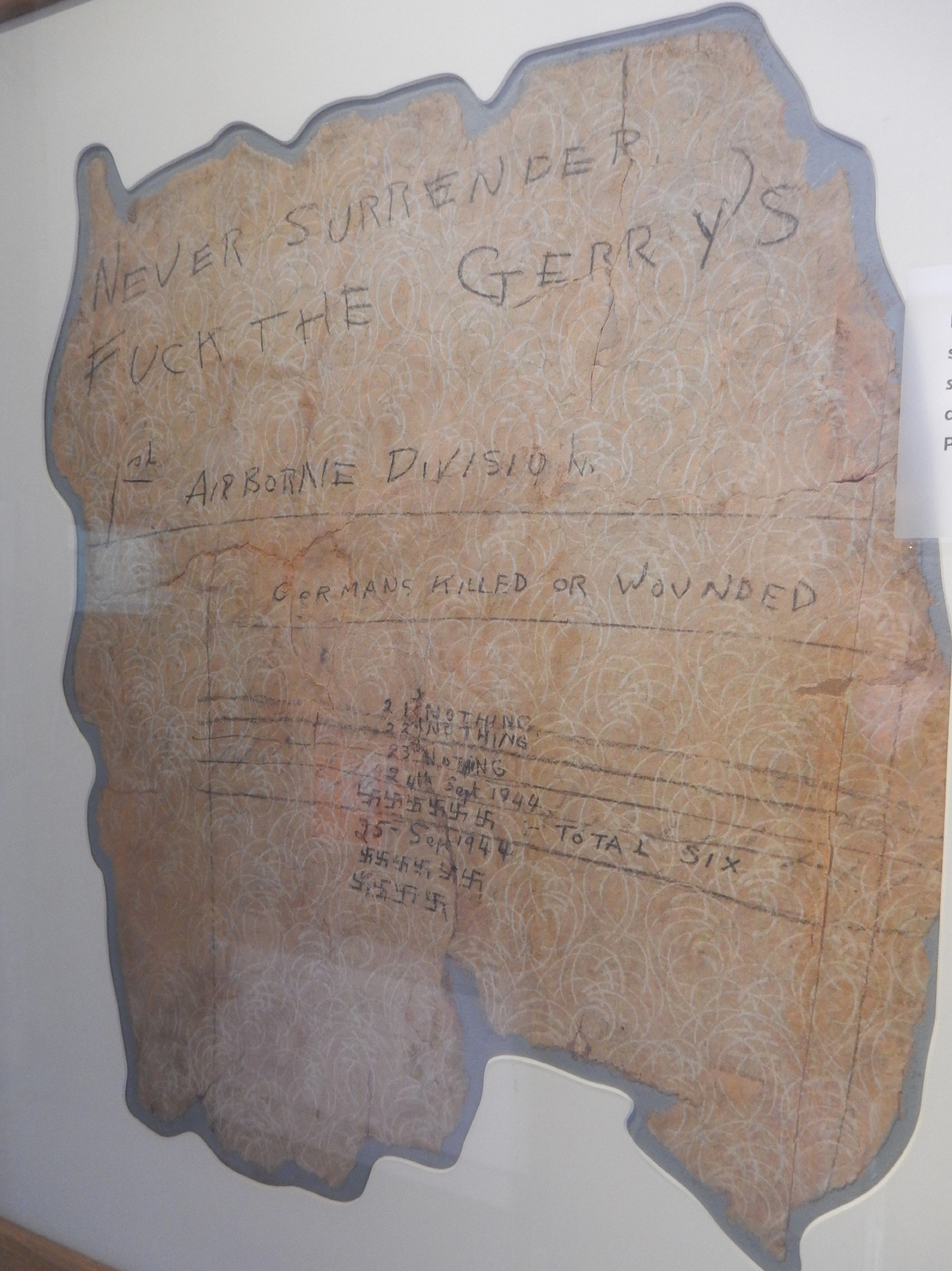
Two British paratroopers holed up in a house in Oosterbeek (next to Arnhem) fought to the last and recorded their kills by date in September 1944 on the wallpaper. Their strident message reflects the thoughts of my friend Clem, contributor to Mission, who flew with Jimmy Stewart and was shot down over Holland. “There’s no glory in war,” said Clem. “War is crazy.”

Mission: James Stewart by Robert Matzen

Morning dew kisses three cut roses placed on a monument honoring Allied war dead. The Dutch people fell in love with their would-be liberators the British Airborne, and that love is undiminished 71 years later.