fireball robert matzen

HIGH HOPES AND A BATTLE

Mission: James Stewart by Robert Matzen

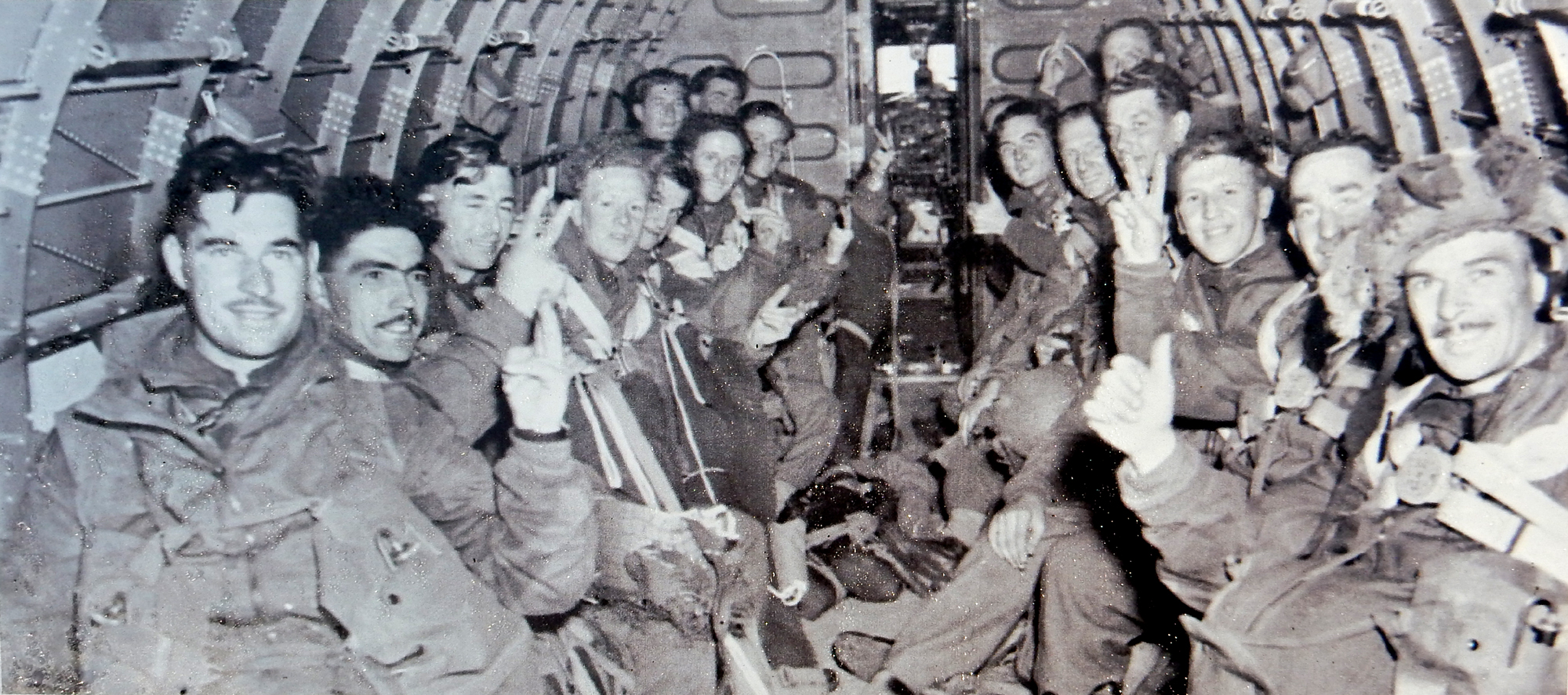
British Airborne troops flash the V-for-Victory sign and give thumbs up on the way to their drop zone near Arnhem.

Once upon a time, all-star films were all the rage. I was trying to figure out when it started and I’m sure you know better than I. Was it The Story of Mankind? That pre-dates Around the World in 80 Days, right? Then the all-star game found war pictures and The Longest Day was born, which I consider the go-to look at D-Day even though it was G-rated and the real thing was For Adults Only. No, really, the real thing wasn’t for anyone, it was so brutal. I’m always struck by the opening moments of Saving Private Ryan, a picture I despised otherwise, when the gate of the landing craft went down in the surf near the beach, and we saw a glimpse of what the guys really went through.

Darryl Zanuck had the vision for The Longest Day, and it worked in spite of its lumbering, all-star self. Next came The Great Escape, probably the most successful of the all-star service pictures. Then Zanuck tried it again with Tora, Tora, Tora! about Pearl Harbor, and his all-star cast wasn’t quite so stellar for budgetary reasons, but the picture still succeeded, I think because the stars weren’t so big they demanded their own vignettes. It became an ensemble of very good but not overwhelming players—exactly the feel achieved in The Great Escape.
Mission: James Stewart by Robert Matzen

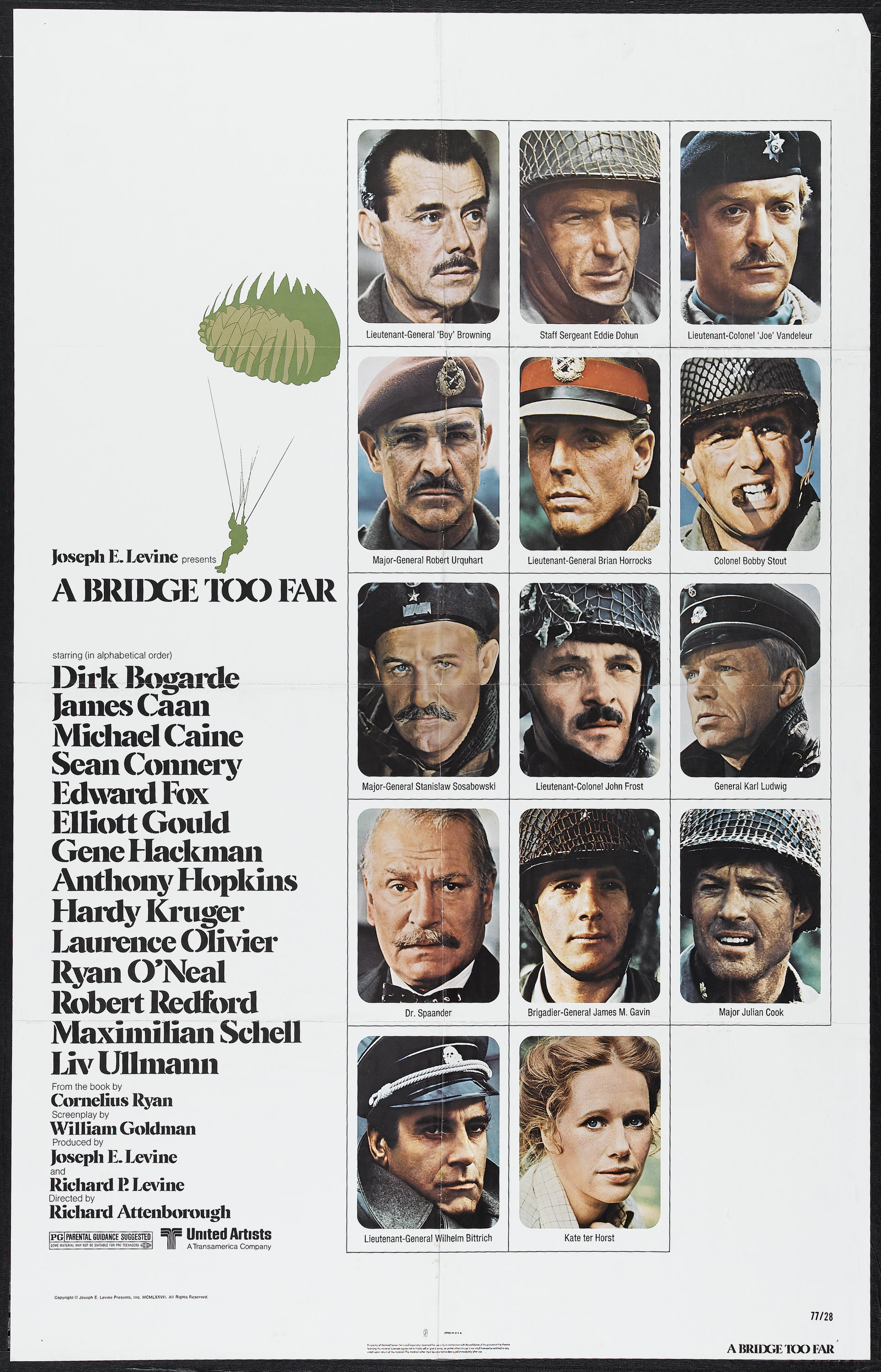
One-sheet movie poster for A Bridge too Far, released in 1977.

Midway was a last gasp at the traditional, all-star war picture told with old-time apple-pie sensibilities, even though we then lived in the post-MASH, post-Catch-22 world of revisionism, a world that had already seen The Dirty Dozen and Kelly’s Heroes, which overlaid modern sensibilities on World War II. I saw Midway in a big theater on first release in 1976 and thought it was OK at best. A veteran of the war in the South Pacific who also saw it was laughing afterward at the mismatched stock footage and wrongly placed vintage aircraft depicted; by this time the pickings of available fighter-bombers was already pretty slim. Really, Midway had the ambition but not the budget and needed the gimmick of the day, sub-woofer Sensurround, to try to put derrieres into seats.

In the wake of Midway, there was one great World War II historical novel by Cornelius Ryan hanging out there that hadn’t been brought to the screen, A Bridge Too Far, about a well-meaning, wrong-headed plan called Operation Market Garden that sought to bring World War II to a rapid close in September 1944. Producer Joseph E. Levine envisioned A Bridge Too Far as an all-star service picture with a script by William Goldman that made no bones about bludgeoning the audience with Monday morning quarterbacking and an “Isn’t this ironic?” attitude.

I’m not going to critique the resulting picture. Either you like it or you don’t. What I will say is it’s quite a setup for actually visiting Arnhem, where the action took place, and the history is heavy there in those streets where British paratroopers went up against a ferocious last-stand German defense. In a nutshell, a large force of British paratroopers were dropped near the Dutch city of Arnhem behind German lines to capture a key bridge over the Rhine as part of a larger plan involving a sudden Allied push north through Holland to cut the German front in two. We drop you up here, we slice north from down here, we meet up in Arnhem, war over. Simple. Dismissed, see you at the surrender ceremony.
Mission: James Stewart by Robert Matzen

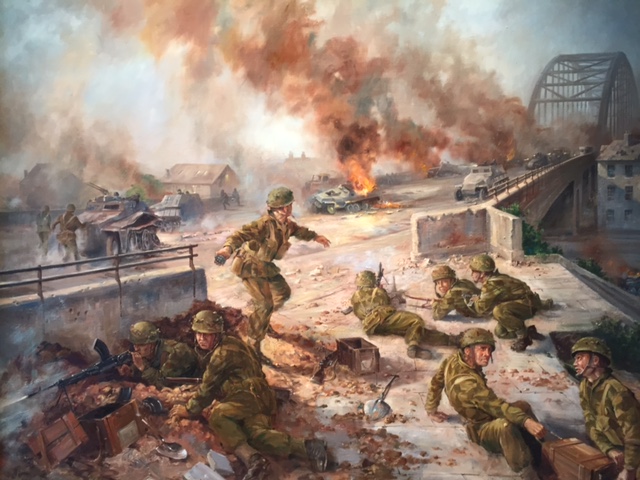
Artwork in the British Airborne Museum in Arnhem shows the battle for the bridge, with Tommies who were unequipped to fight tanks holding off advancing German armor.

Mission: James Stewart by Robert Matzen

Roughly the same view in November 2015 at sunset.

The plan was complicated by only one wee little factor: German forces fleeing the Allied advance through France after D-Day were ordered to regroup at none other than Arnhem. I mean, at just about the time the paratroopers were climbing aboard their aircraft in England, the Germans just happened to be stopping in Arnhem. Many didn’t even have weapons—they had turned them in because they were about to board trains back to Berlin for refitting. They were just there, weary and shell-shocked after the Allied invasion, thinking they were about to see home. Then here come these poor British paratroopers dropping all around, guys who thought they would be fighting a few Nazi-sympathizer Dutch home guard troops. Instead, a couple divisions of SS Panzers and what was left of the real German army got the surprise of their lives as British paratroopers floated to earth, and then the Germans regrouped, outnumbered the Tommies, and took care of business. The dreamed-of liberation of Arnhem’s besieged population became a bloodbath for British soldiers, first at the Arnhem Bridge and then in the city center where the paratroopers retreated.

Mission: James Stewart by Robert Matzen

The overwhelming sight of graves for all the British and Polish paratroopers who died in the Battle of Arnhem.

Two weeks ago I was in Arnhem to get a feel for the Dutch people—to get their vibe for the portions of Mission that take place in Holland. They drive on the right side of the road in Holland, thank God, so tooling around the countryside was a lot of fun, but did you know they don’t have windmills anymore? Only one traditional windmill, ONE, was seen in hundreds of miles of Holland. All they’ve got these days are wind turbines, giant, cold, silent wind turbines like you can find anywhere. I had to wonder what Don Quixote would think of this unfortunate turn of events.

So anyway, back to the Richard Attenborough-directed picture, A Bridge Too Far. All right, I will critique it. There was a whole lot to explain and too many times the explanations weren’t clear or clever enough so it just seemed like a lotta explosions. We don’t get a sense of the ultimate irony that the Germans just happened to be regrouping here of all places, which makes the parachute drop so heartbreaking for these brave, well-meaning Tommies who expected to win the war in a week and ended up in a Custer’s Last Stand scenario in downtown Arnhem.

No, I take that back. The worst thing about A Bridge Too Far is Ryan O’Neal, who at 36 was just clueless portraying a real-life general of roughly the same age. If you watch the picture you have to wonder what the real actors around him were thinking as he so cluelessly recited his lines.

No, I take that back. The worst thing about A Bridge Too Far is Gene Hackman’s Polish accent. He seemed to know he couldn’t get it right, but he soldiered on anyway. That’s bravery, in the actor sense of bravery, which isn’t quite the paratrooper sense of it.

No! The worst thing about A Bridge Too Far is the Americans. Yes, that’s it, the Americans. Because it was an all-star picture and U.S. box office meant everything, the American stars had to have big parts. A-number-1 big star of the day, Robert Redford, got a 15-minute vignette as an Airborne major ordered to get his men across a river in poor-quality rowboats; B-number-2 star of the day, James Caan, got 10 solid minutes as a sergeant trying to save an officer’s life; C-number-3 star of the day, Elliott Gould, negotiated for 15 minutes of screen time to build a Bailey bridge. Yes the American 82nd and 101st Airborne mattered to the plot, just not enough to justify all the close-ups. This is a British story—just let it be a British story.
Mission: James Stewart by Robert Matzen

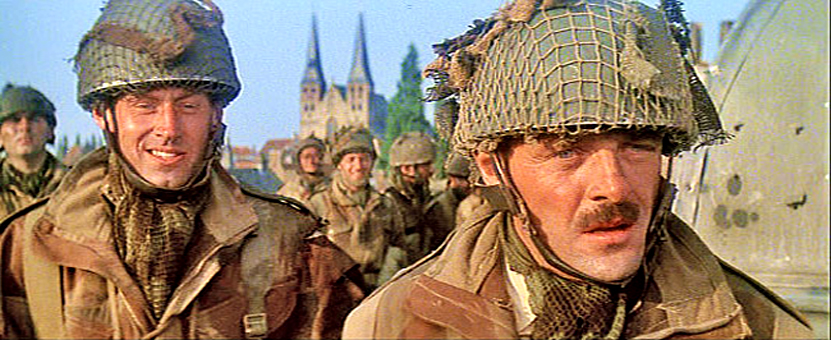
Anthony Hopkins as Col. John Frost, leading his confident men into battle after a successful parachute drop near Arnhem.

Then there’s the best thing about A Bridge Too Far, Anthony Hopkins as Col. John Frost trying to take and hold Arnhem Bridge, and then continuing the fight until his ammo and food ran out. He earned his way onto my Mt. Rushmore of great screen characterizations of all time with his take on the quintessential, stiff-upper-lip British officer in a hopeless situation. In this picture, Anthony Hopkins is simply, how can I say this … perfect. It’s worth it for anyone to slog through A Bridge Too Far to get to the Hopkins moments because they are magical. He is all those British boys rolled into one. He is every corpuscle of every man who fought and died on those streets in 1944.

Walking across the now-called John Frostbrug (John Frost Bridge) in Arnhem was a chilling experience knowing what happened there. Visiting the Airborne Cemetery had me in tears the instant I saw all those smart formations of headstones, each representing a brave Tommy or Pole who paid the ultimate price. I wasn’t prepared for the emotion of that moment, especially with plaques at the gates of the cemetery in multiple languages that included photos of the Airborne guys in the planes on the way over the North Sea flashing V-for-victory signs, all smiles as they flew with their high hopes and noble intentions only to die in a hail of machine gun fire on the streets of Arnhem, a city that had been spared the nastiness of war until those brutal, unexpected days of September 1944 when British Airborne met the SS and their Panzers.
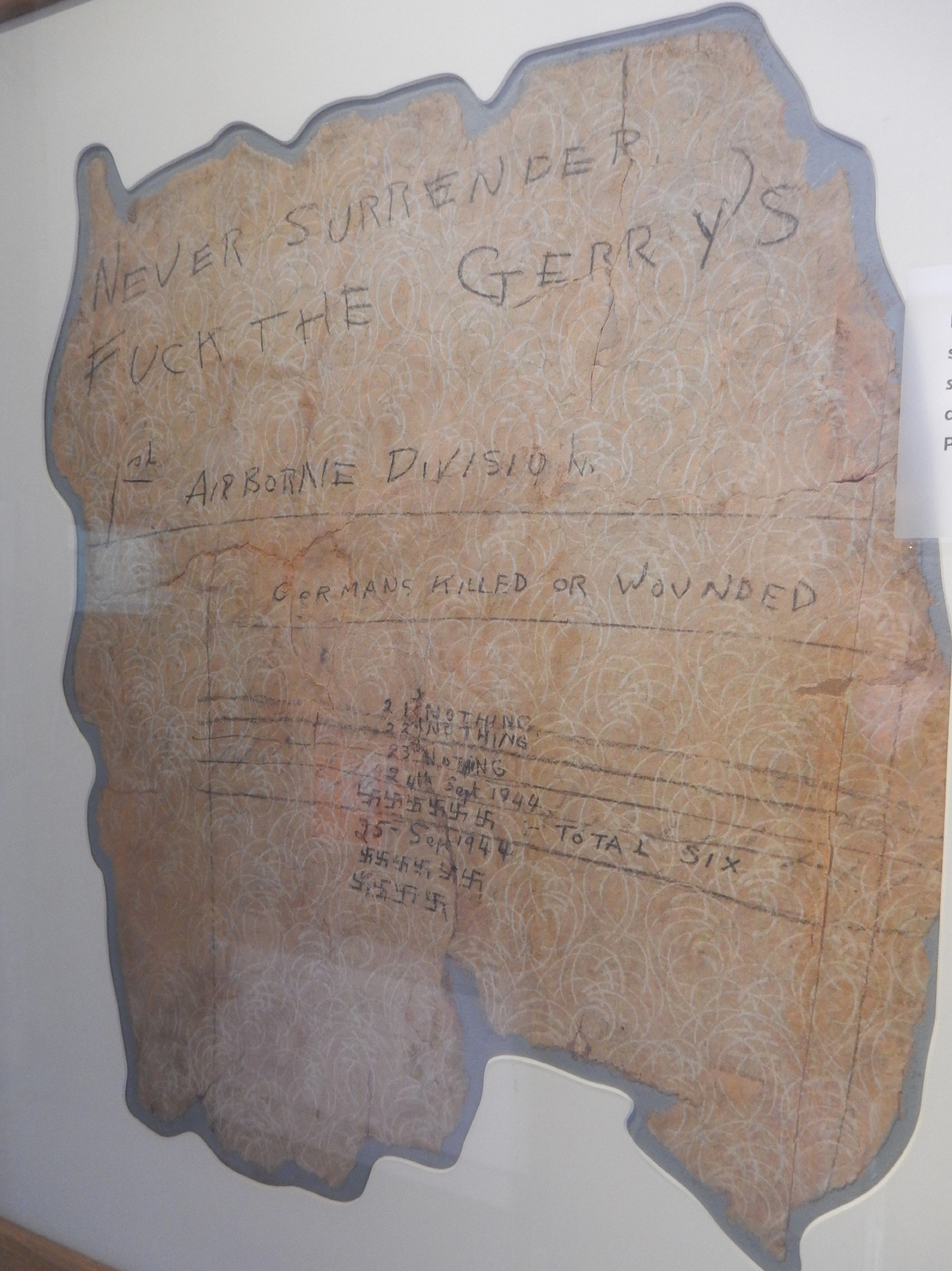
Mission: Jimmy Stewart by Robert Matzen

Two British paratroopers holed up in a house in Oosterbeek (next to Arnhem) fought to the last and recorded their kills by date in September 1944 on the wallpaper. Their strident message reflects the thoughts of my friend Clem, contributor to Mission, who flew with Jimmy Stewart and was shot down over Holland. “There’s no glory in war,” said Clem. “War is crazy.”

Mission: James Stewart by Robert Matzen

Morning dew kisses three cut roses placed on a monument honoring Allied war dead. The Dutch people fell in love with their would-be liberators the British Airborne, and that love is undiminished 71 years later.

On a Mission for ‘Mission’


Mission: Jimmy Stewart by Robert Matzen

Jimmy Stewart risks his crisp uniform walking the muddy track at Tibenham in front of crew quarters.

It’s been more than 18,000 miles since I last updated this blog. First came a business trip from Pittsburgh to Portland and back, followed almost immediately by a nine-day excursion to Europe as background research for Mission, the Jimmy Stewart book now under construction.

As you know if you know me, I don’t believe an author can write about a physical place significant to a story without having been there. I consider the locations to be characters because of their importance to the narrative, and I didn’t feel qualified to write about, for instance, Mt. Potosi, Nevada, where TWA Flight 3 crashed, until I had climbed it. In the same way, I can’t in good faith describe the 1943-44 U.S. Army air base in Tibenham, England, without visiting the runways where Stewart and so many other fliers took off, many never to return.

Remaining Tibenham air base crew quarters as explored just last week.

Remaining Tibenham air base crew quarters as explored just last week.

Stewart was a four-engine-rated Army pilot when he first landed at Tibenham November 25, 1943. He spent four months there during his heaviest run of combat missions. My November 23 and 24 (last week) were boots on the ground in Tibenham, where I experienced what the Americans did upon touching down: cold, damp, muddy weather, unrelenting, with very low overcast. By 4:20 P.M. on the days I visited, it was dark in Tibenham, which, until the Americans arrived, and after they left, was nothing more than a meandering village located along even more meandering roads wide enough for one ox cart of ye olden days, but not for motor vehicles.

As for my visit, you probably know that cars drive on the left in UK, which seems like it shouldn’t be a big deal, but with the deck stacked by rain and country roads with nothing over there called a “shoulder,” it becomes a big deal, especially with trucks barreling toward me—on the right no less. And there are lots of trucks driving around over there, careening around the hairpin turns. Then there’s that thing the English call a roundabout—every town has one or more. I’m pretty sure the Brits designed roundabouts to thin the herd of visiting Americans trying to navigate from the left while at the same time figuring out when to yield, when to proceed, and when to turn, always at high speed. But enough of my whining.

Mission: Jimmy Stewart by Robert Matzen

Rare is the idiot, er, scholar, who would fly across an ocean, bypass London, and head straight for a rainy field near Norwich where once an air base stood. Here is runway 0-3, the big one at Tibenham. From here the 445th Bomb Group took off almost daily, weather permitting, on several-hours-long bombing missions. Crews felt very lucky to touch back down here later in the day. Hundreds of fliers who lifted off in the morning never did.

Tibenham’s landing strips were returned to the RAF after hostilities ceased, and the base saw some service in the Cold War before a glider club took over; the gliders still operate there. The club historian, a pilot himself, is Eric Ratcliffe, and Eric graciously spent his afternoon showing me around what was once the air base. Precious few buildings remain from the small city that once held 3,000 American airmen, but I saw what was where and got the lay of the land, including the barracks where Stewart stayed (some of those quarters are still standing), and the primary local point of reference, the All Saints Tibenham Church, built in the sixteenth century. Its high tower and the north-south railway nearby served as vital landmarks to American pilots returning at dusk to nearly identical bases in the endless rolling farm country of East Anglia. So many air bases in fact, that mid-air collisions of heavy bombers taking off for morning missions in the overcast were a common occurrence in 1943 and 44, with great loss of life. Local lore includes very specific references to what body parts of American fliers rained down where around the railway station after a particular mid-air collision of B-24s.

I learned a lot during my two days of visits to Tibenham, and I know it will lend command and authenticity to my recounting of the 445th Bomb Group and Stewart’s squadron, the 703, as I describe his role in the war and his missions. But I also flip the story around and describe the experiences of others who crossed paths with Stewart and the daily bomber stream, civilians in Holland and Germany, and those in the Luftwaffe up against these great flying armadas. To many, Jimmy Stewart was a hero; to others he was one of the “terror fliers” of World War II. One of my colleagues in this enterprise dubbed the approach a “360-degree look at the war,” and that’s exactly what I’m going for.

The tower of All Saints Tibenham Church was a welcome sight that let pilots know they were home.

The high tower of All Saints Tibenham Church was visible for miles and served as a welcome sight to pilots struggling toward home.

Stewart’s a complex character and one I can identify with in some ways given that he and I both grew up in sister small western Pennsylvania college towns in coal country. But he’s also an enigma, a closed book of a human who hid a nervous stomach and waves of self-doubt about his looks, his attractiveness, and his talent behind a slow-thinking, slow-talking persona. Then there’s the most perplexing question of all: Why did Stewart so willingly step away from a Hollywood career that included the great triumph of Mr. Smith Goes to Washington and then an Academy Award for The Philadelphia Story to sign up for service when there wasn’t even a war to go fight? The obvious answer is that Jimmy Stewart was a flag-waving American patriot. Hooray for Jimmy! But the reality is quite different and something I look forward to sharing with you when Mission goes to press at the end of 2016.

For now, may I just say I’m home after four days of domestic and nine days of European travel and ready to get back to work and finish my book. It’s a story with a great main star and terrific supporting cast, and it’s so crazy in so many ways that it simply has to be true.

Mission: Jimmy Stewart by Robert Matzen

World War II expert Eric Ratcliffe (left), my guide, poses with me at the 445th Bomb Group Memorial in the fading light of a raw November day. I like to believe the spirits of all those airmen of the 445th are posed around us and wishing me happy landings for telling their stories. Many thanks to Eric for his time, patience, and expertise that day.

At Home Wherever

Mission: Jimmy Stewart and the Eighth Air Force by Robert Matzen

With Tyrone Power in The Black Swan. Unleashing the Technicolor redhead.

Maureen O’Hara started out with Charles Laughton in Jamaica Inn in 1938 and Hunchback of Notre Dame a year later, then went on to a long and successful career as a Fox leading lady. She acted with Ty, Errol, and Duke and was in all those John Ford pictures. You never heard a hint of scandal about her and she lived to 95, but now she too is gone like Joan Leslie is gone. Well into her 80s MoH looked like a million bucks and gave me hope of immortality, and she wrote a sassy memoir like we wish more of the great ones had written. Now she’s left us; we keep losing them until there aren’t any left to connect us as humans to a Golden Age that’s now passed into history. We can no longer share memories with those who are living and have them tell us what the old stars were “really like” and walk the lots and describe their dressing rooms and provide anecdotes about directors and what happened on what soundstage; we can only look back and study printed words and recordings of those people. What they said is cast in concrete now; they aren’t saying anything new.

I’m reminded of a visit to the Warner Bros. lot somewhere around 2009. I asked around if anyone knew where Errol Flynn’s dressing room was and guess what: Nobody did. That information had died with Flynn and the other veteran studio employees now long gone. The “old timers,” volunteers at the gift shop, were from well after Flynn’s day, so the studio history of where Flynn’s or Bogart’s dressing rooms were no longer existed because nobody bothered to capture it. As it happens, I was able to piece together the exact location in case anybody wants to know—Jack Warner kept Flynn in the corner dressing room right outside the top man’s second-story window, literally under J.L.’s nose, where Flynn could be kept track of. But I digress.

Mission: Jimmy Stewart and the Eighth Air Force by Robert Matzen

With John Payne and Edmund Gwenn in Miracle on 34th Street for Fox.

I liked Maureen O’Hara well enough without classifying her a personal favorite. In hindsight, I took her for granted and when I stop to think about it, she participated in some of my favorite pictures, including How Green Was My Valley, Miracle on 34th Street, and The Long Gray Line. She was great with the Duke in pictures like Rio Grande and The Quiet Man, and she was tough enough that the abusive John Ford couldn’t reduce her to tears. If somebody gave it to Maureen, Maureen was capable of giving it right back–the very definition of a fiery redhead.

Thinking about it, though, I did find it charming when her natural Irish accent would sneak through her scrupulous American/English. Thought would come out taught. Thank you would be tank you. Mostly, though, you’d never guess she wasn’t from middle America and it must have taken quite a bit of effort to pull that accent off in picture after picture.

O’Hara’s muscular, square shoulders allowed her to credibly use a sword in adventure films like At Sword’s Point, where she played the daughter of a musketeer, and Against All Flags, where she played a Caribbean pirate. She also took pride in doing a lot of her own stunt work in physical pictures like McLintock. Basically, she did whatever kept her working in a run that lasted into the 1970s, with a later highlight being her role of the mother of twins in Disney’s The Parent Trap. The last thing I can remember seeing her in was Big Jake in 1971, looking as good as ever, bringing all that history and backstory with Duke to bear playing his ex-wife in what amounted to a glorified cameo in the first reel. By this time they had such chemistry that even as a kid I could feel the gravitas of their scenes together.

I had hoped to post this piece a week ago, but I got behind. I don’t mind putting it up now because after a flurry of goodbyes in newspapers and blogs, the stars seem to be laid to rest and rarely revisited. So instead of being just another in a clot of retrospectives, here I am more than a week later with my look back at a sassy Irish lass who was a beautiful leading lady and an important Fox contract player from Hollywood’s Golden Age, a versatile talent just as at home in a Welsh mining town as on the Spanish Main, a cavalry outpost, or 34th Street.

Mission: Jimmy Stewart and the Eighth Air Force by Robert Matzen

Leather and lace: O’Hara with Errol Flynn in Against All Flags. Best not to mess with either one.

Mall Rats

From the very beginning, Hollywood has corrupted the history of World War II. Did you know that? There’s a not-so-subtle fiction in the war pictures that started coming out of the studios from 1942 on, and as late as Saving Private Ryan the warping continued.

I’m talking about the ages of the actors playing soldiers in that war. I grew up thinking that WWII was fought by middle-aged men. My favorite war movie of all is Battleground, the 1949 MGM blockbuster about the Battle of the Bulge starring 33-year-old Van Johnson, 35-year-old John Hodiak, and a couple handfuls of other MGM contract players. Granted you saw a few younger guys like Marshall Thompson (age 24), Ricardo Montalban (age 29), and Richard Jaeckel (age 23). But co-starring was 47-year-old George Murphy playing a character named “Pop” and aged-well-beyond-his-years Douglas Fowley as a G.I. with dentures. None of these guys represent the real fighting men of the Ardennes Forest.

I stumbled upon another MGM war picture the other week, The Men of the Fighting Lady, about a Korean-era aircraft carrier and landing there were the supposed hotshot pilots, Van Johnson (again, now 38), Keenan Wynn (38), and Frank Lovejoy (42).

Mission: Jimmy Stewart and the Eighth Air Force by Robert Matzen

Battleground, starring Van Johnson and John Hodiak. Great cast, great picture. But the guys in it are too old.

I’m smack-dab in the middle of the real WWII these days writing about the Eighth Air Force, and I am astonished about how young these pilots under Jim Stewart were. He was an “old man” of 35 when he commanded a bomber squadron operating out of England, and all his pilots, and I mean all his pilots, were 22 or 23 or at the oldest 24 years of age, guys right out of college. The technical sergeants serving as radio men and gunners were 19 and 20. If you go to the mall and look at the kids hanging out there giggling and trying to look adult, or visit your local high school or college campus, that’s who fought World War II. That’s representative of the 400,000 Americans who died and whose names are carved in honor rolls in every town in the United States. Among the front-line personnel, the privates were 18 or 19, the sergeants were 20, lieutenants 22, and captains and majors 24. Stewart had a hell of a time getting off the ground when he earned his wings at an advanced age of +30. They were reluctant to let a man that old and slow behind the controls of a four-engine bomber—he didn’t have a prayer of operating a fighter plane, which all the pilots wanted to do.

There are stories of guys who landed at Normandy Beach and didn’t take their boots off for the next six weeks; at the end of it they didn’t have to peel off their socks because they had liquefied. These guys didn’t eat or sleep for days and they were digging foxholes everywhere they went. Facing life-or-death situations at every turn. It was survival of the fittest and the fittest were 18, not 40.

When Tom Hanks played Capt. Miller in Saving Private Ryan, he was 42 years old. In the real war, someone the age of his son would have been Capt. Miller.

Mission: Jimmy Stewart and the Eighth Air Force by Robert Matzen

Alan Hale, a hard-lived 51 at the time of Destination Tokyo.

The actors go where there’s work, like they always have. During the war, studios churned out war pictures because that’s what people wanted to see, and who could play in their product but the men they had under contract, those not off to war themselves, and this talent pool was what it was. It only became burlesque occasionally, like when Alan Hale played a flier in Desperate Journey at age 50 or a submariner in Destination Tokyo at 51. For Hale it was a living and he was a fine character actor, and it’s always nice to see him. Just keep in mind you are looking at Bizarro World War II when it’s being fought by Alan Hale. We’d be speaking German right now if the war had been fought by Alan Hale. Or Harry Carey (a whopping 65 at the time he made Air Force) or George Tobias (43 in Air Force).

What’s another benchmark of World War II pictures? The Longest Day, I guess. You might as well call it The Longest of Tooth Day, with John Wayne the 55-year-old paratrooper leading Red Buttons the 43-year-old paratrooper. I guess this is one of the reasons my friend Clem, who fought in World War II and bailed out of two crippled planes in two months (a technical sergeant not yet 20) and lived out the war in a German prison camp, doesn’t care for war pictures. He sat through Unbroken increasingly disgusted, muttering as he is wont to do, “That’s not history, that’s Hollywood.” The reality of it was that when 19-year-old Clem hit the earth after his first bail-out he broke a leg; in the second he was looking out for his still-broken leg and broke some ribs. So you think Red Buttons at 43 could have been a real paratrooper?

Next time you see a veteran of World War II, think how young he was when he saw what he saw and did what he did. Think how fast he grew up. Think how many years he has lived with the memories of his friends dying around him during training or on the ground, in the air, or at sea. It’s an incredible story of the most brutal war in history fought by kids who these days might not be entrusted to do their own laundry or take out the trash.

The Longest Day: Stuart Whitman, 34 but looking older, is saying to John Wayne, "Colonel, recon says St. Lo has a Denny's up there to the right. The senior special is still being served, but we have to wheel you over right now."

The Longest Day: Stuart Whitman, 34 but looking older, is saying to John Wayne, “Colonel, recon says St. Lo has a Denny’s up there to the right. The senior special is still being served, but we have to wheel you over right now.”

Dreams and Nightmares

World War II was big. It’s not something you can, say, take this arm and wrap around this way, and that arm and wrap around that way, so that your fingers entwine and suddenly you’ve wrapped your arms around World War II. This was way bigger than that. This was The Great War. As awful and staggering as World War I was in terms of human suffering and human stupidity, well, World War II raised the stakes and won the pot.

Mission: Jimmy Stewart and the Eighth Air Force by Robert Matzen

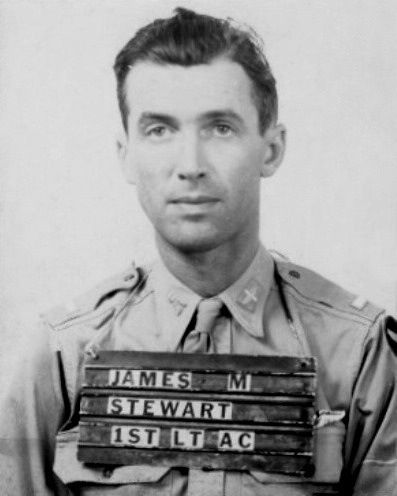
Jim Stewart rises to the rank of 1st lt. in the Army Air Corps, July 1942.

I haven’t been around much lately and I apologize, but I’ve been learning a whole lot about WWII and the men who fought it. I know that women fought it as well, but I’ve interviewed only men, 90-plus in chronology. In particular, I’ve been working with three guys who a) were in Jimmy Stewart’s squadron of the 445th Bomb Group and with him from Boise, Idaho on; b) were shipped to UK with him; c) flew missions with him; d) were shot down over Germany; e) survived German prison camps as POWs; and f) likewise survived the Führer’s order to execute all POWs as Germany was about to lose the war. These guys live on today after enduring all that, with Jimmy Stewart (who wasn’t shot down and never parachuted out of a burning plane only to be roughed up by Germans on the ground) gone 18 years.

I think my next book could be called, How to Survive to a Ripe Old Age, and I could base it on these three fit and active, terrific guys who are full of wisdom after getting out of World War II in one piece and thriving for 70 years beyond.

I was just thinking today about the exercise of writing Fireball versus what it’s like to write the new one, which is called Mission: Jimmy Stewart and the Eighth Air Force. To me it feels like Fireball was a suit of clothes that I could wear in comfort—most of the time, except for the gut-wrenching parts. But the new one is confining and I can’t breathe because there’s so much to learn. There are the Nazi aggressions; there’s the Battle of Britain; there’s Pearl Harbor; there’s the war in the Pacific; there’s the air war over France and Germany; there’s the ground war in Africa, Italy, and Europe; there’s the Holocaust; there’s the ground war in the Pacific; there’s the battle for Berlin; and there’s the battle for Japan. How do you boil that down into one book, even when most of it’s background?

For the past week or so I’ve been writing the manuscript furiously and also looking around for topics for my blog. I toyed with the idea of republishing something from my old Errol & Olivia blog, but I couldn’t find anything suitable. I looked around for something from TCM to catch my eye and comment on. Again, nothing.

I’m stuck in 1944, people! You’ve gotta get me out of here! Actually, I have to get myself out of this one. I’m in the middle of rubble, starvation, heroism, and sacrifice on a global scale, and it brings me to tears sometimes. I don’t know how as a species we got where we got in 1944, but evidence says that, yes, humanity reached a low point, and a high point, right about then.

The interesting thing is, Jim Stewart and his colleagues of the Eighth Air Force fought a war to keep the U.S.A. safe and to liberate Europe. They fought the most righteous war ever, but the fact was, when you’re dropping bombs through cloud cover and your industrial target sits in the middle of a city, you’ll miss it often. Did you know that 70 years after the end of WWII, there are still people in Germany who call the Allies “terrorists” for the way they bombed German cities and civilians?

The goal of the British nighttime bombing was to exact revenge for the bombing of England in 1940. The goal of the American daytime bombing was to destroy German manufacturing, and also to break the will of the German people and cause the masses to turn on their government. This simply didn’t happen. In response to a terror campaign, the people in Germany in 1944 did the same thing the people in the United States did in 2001: They dug in their heels and said, You will not break us!

Mission: Jimmy Stewart and the Eighth Air Force by Robert Matzen

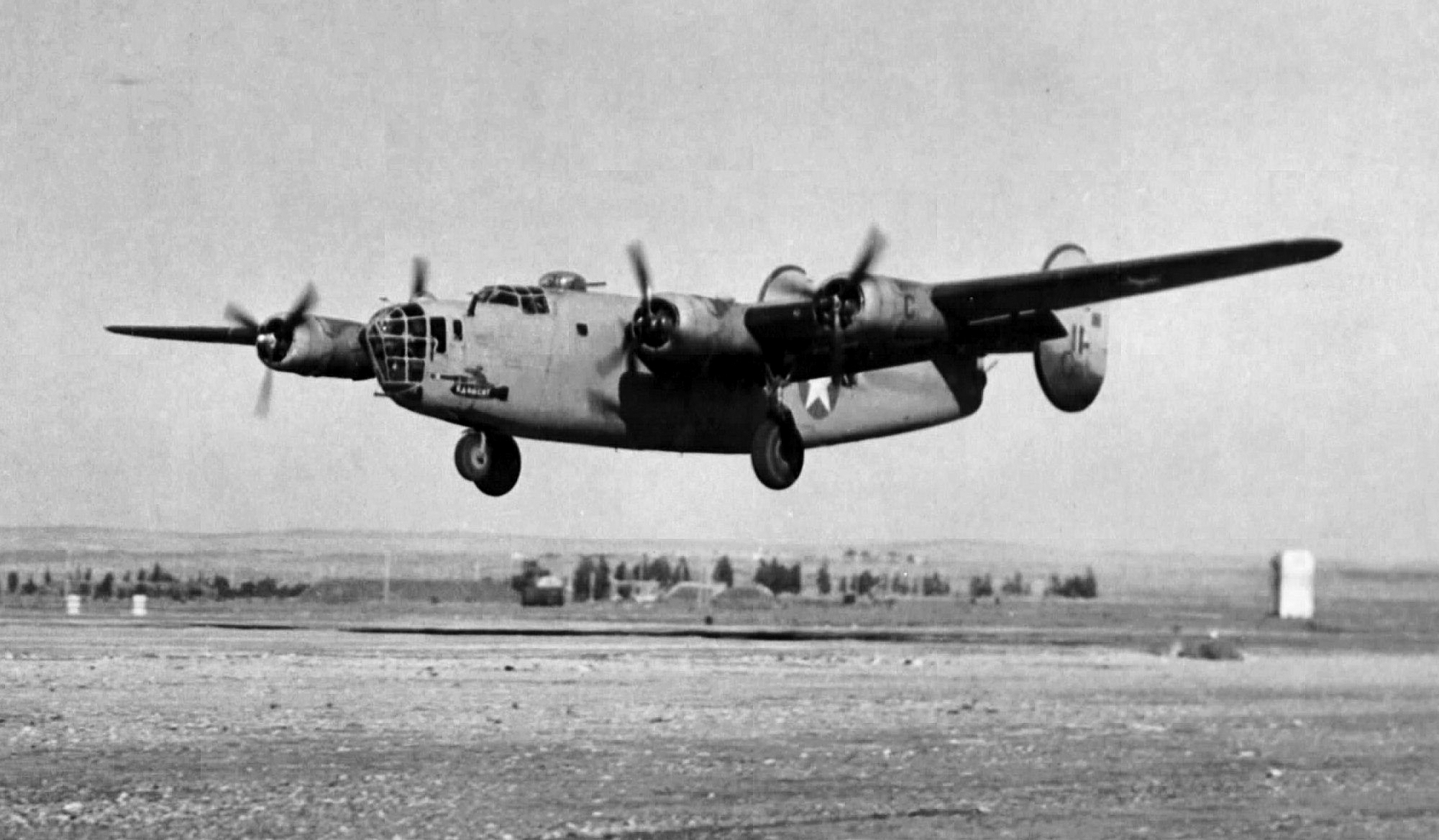
The B-24 Liberator, Jim’s ship in the Air Corps, described to me the other night by a pilot in Stewart’s squadron as “that goddamn airplane” and a “widow maker” because it was so difficult to fly.

I find the story of Jimmy Stewart in the Eighth Air Force so human, because he believed in what he was doing, and what he was doing was right. Hitler had to be stopped. And there were a whole lot of humans under his bombs who had done nothing wrong, and who didn’t believe in Hitler, and were trying to survive, but the bombs fell on them and all memory of their existence was erased when they were blown to dust.

How fragile we humans are, and how cavalier we once were with human life. That’s what I struggle with now on a daily basis—on the one hand, here are these great guys, heroes in every respect, going up to 20,000 feet at 40 below zero against a brutal enemy, facing fighters and flak to hit a target, and on the ground at the target, mixed in with Gestapo men and German infantry and devoted Nazis running factories are people who don’t support Hitler and never did, old men and women and children who dare not speak out against the government on penalty of death, along with forced laborers from conquered nations, and Jews in hiding, many living without running water and scavenging for food.

Bombs away.

It’s no wonder I have dreams and nightmares about this book I’m writing.

Unconsummated

Mission: James Stewart and World War II by Robert Matzen

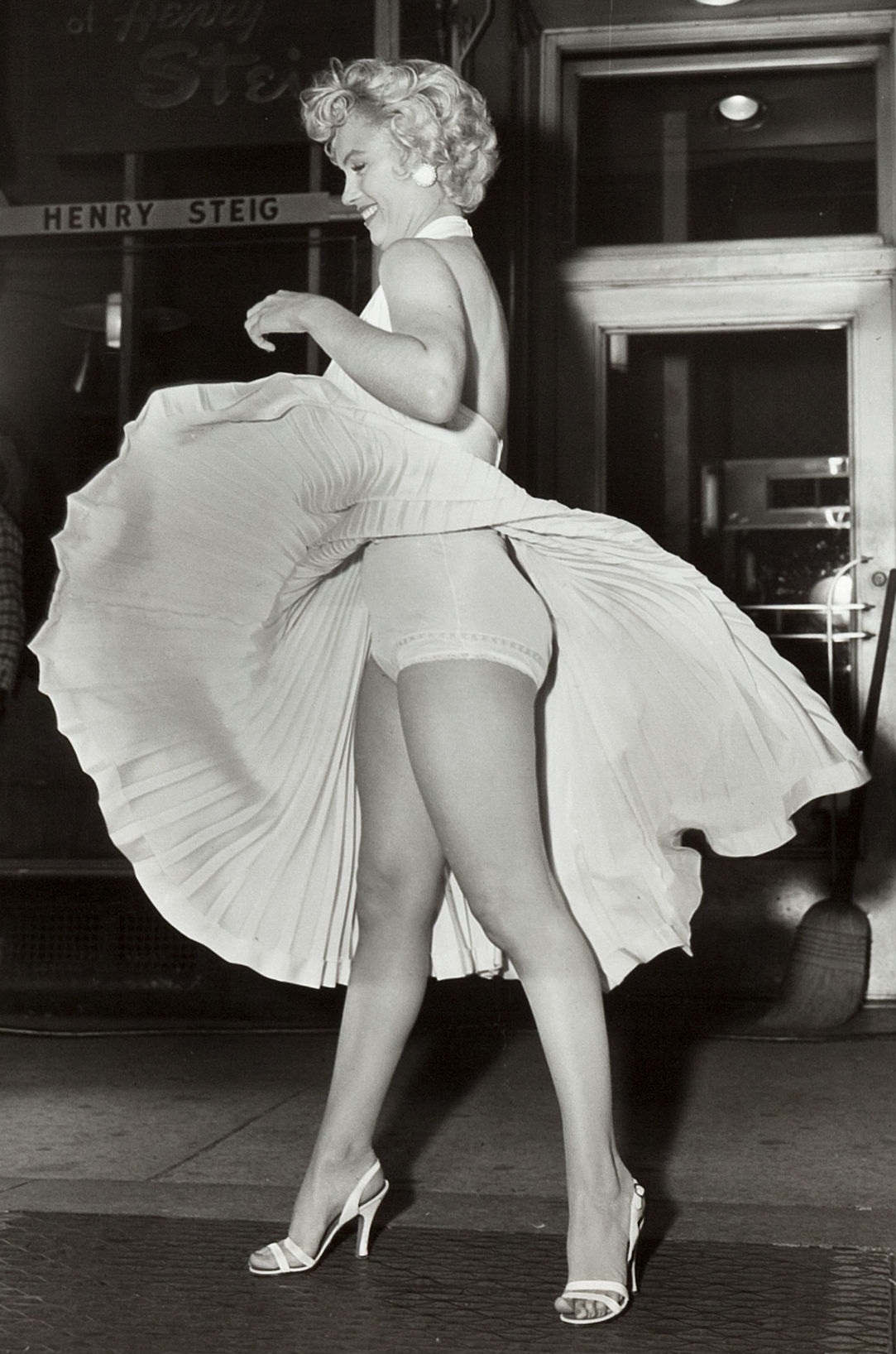
The subway-breeze scene was originally shot in New York City with 5,000 spectators but no way this view was going to pass censors. A tame version was reshot on Fox soundstages. Marilyn headed west without husband Joe DiMaggio, who stormed out of their marriage after this public display of exhibitionism on the streets of New York.

For a while there in the previous decade, the Fox Movie Channel showed The Seven Year Itch often, introduced by then-Fox studio chief Tom Rothman, and for a while there it became a staple in the Matzen household. Rothman’s Fox Legacy series ended some years back and then he left Fox, but The Seven Year Itch remains a favorite picture of mine for the storyline and for Marilyn Monroe’s up-skirt iconography in movie posters and ads.

The Seven Year Itch had been the first Broadway hit of playwright/screenwriter George Axelrod, a native of New York City, and was entirely autobiographical, based on an experience he had had with a young actress in a New York apartment, just as envisioned on stage and screen. The Seven Year itch involved a husband, Richard Sherman, left to his own devices when his wife and son leave town on an extended summer vacation. Sherman is nearing 40 and his health is starting to go, and this sudden summer freedom puts ideas in his head about having an affair. More than ideas, he fantasizes about his secretary at the publishing house where he works and then about the 22-year-old girl who sublets the apartment upstairs. As time goes on, fantasy begins to overlap reality as “the Girl” upstairs grows ever friendlier and his longed-for affair becomes a possibility.

Mission: James Stewart and World War II by Robert Matzen

One look at this still of Ewell playing it straight with Vanessa Brown as the Girl convinces me that Wilder got the screen version wrong.

It would have been interesting to see the original Broadway version, which predated the film by three years, to look at how Tom Ewell interpreted a storyline that wasn’t bound by Hollywood’s censors or by motion picture director Billy Wilder’s desire to play the material broad. And how Vanessa Brown handled the role of the Girl, played by MM onscreen. To cut to the chase, Richard and the Girl consummate their relationship with the wife away, and then he deals with the emotional consequences. It doesn’t sound like comedy but it was, and earned Ewell a Tony Award for what he said was a play that “captured something real.” He’s good in the Fox motion picture reprising his role, but I always found him just a tad too uncomfortably dorky to actually land a Marilyn Monroe even for one night—thanks, maintained Ewell, to Wilder’s direction to play the story as burlesque. “Billy and I didn’t see eye to eye,” Ewell said later. In the picture version, the Girl is ingenuous and non-judgmental and finds herself attracted to Richard Sherman for what she perceives to be a blend of sophistication and sweetness. But it never rings true in any real world that Ewell and Monroe would pair up.

I won’t say that Hollywood censorship “gutted” the feature-version screenplay, because for me the picture is light and entertaining, but as drawn by Axelrod, the original Broadway version is a thought-provoking study of basic human biology and human impulses, the need for closeness, and the emotional price of going beyond fantasy to infidelity in the flesh. The story is a story specifically because Richard and the Girl consummate. He answers burning questions about his own attractiveness at age 40. He satisfies his physical need for a new partner after years of a marriage grown routine. As so often happens in life, the outcome of the affair isn’t what’s expected, and it can’t be forgotten or rationalized away. As a result, the original version of The Seven Year Itch was a stage-bound 2.5 hours that made you think. The movie presents a nerdy middle-aged guy who is so bumbling, so self-conscious, and so guilt-ridden from the start that there’s no way he could consummate. Marilyn’s interpretation of the Girl is completely accessible to Richard; she even pries up the nails sealing off a stairway between their apartments. Figuratively and literally, no barrier exists to completion of his passes except his own ineptitude. I always find this aspect of the picture frustrating in repeat viewings, that the Richard character was so emasculated by Wilder and by censorship via the Production Code that sex between these two could never be broached seriously.

Itch set

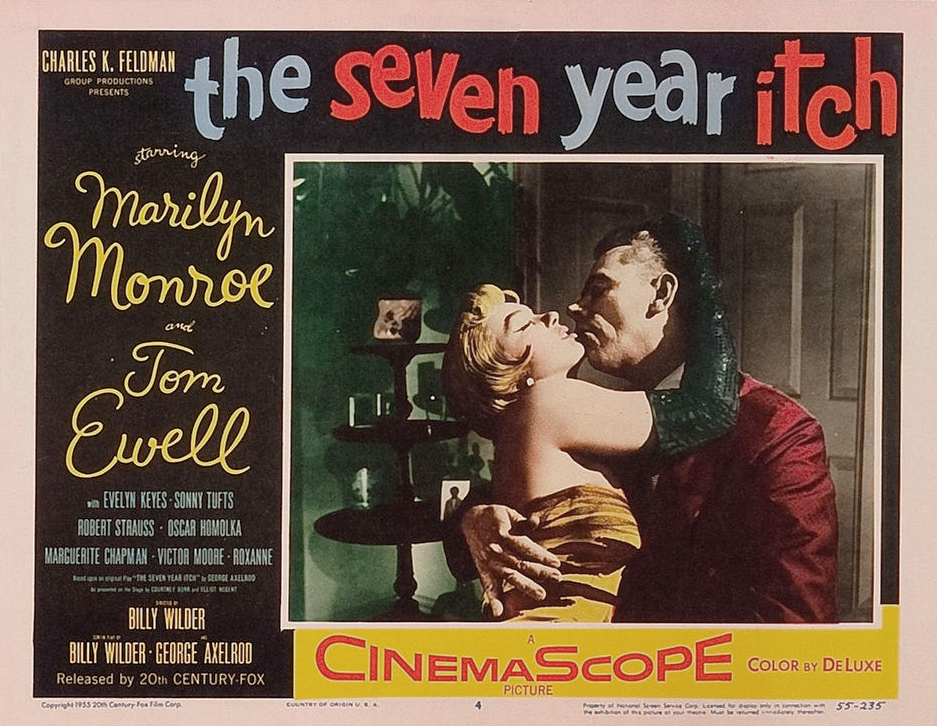
A 1955 lobby card shows one of Richard’s fantasy sequences, playing Rachmaninoff at the piano for the Girl.

In retrospect, what good was that damn code by 1955 anyway? America had grown up in a devastating global war with 400,000 of its young men dead and now lived day by day with fear of nuclear annihilation, yet we weren’t supposed to be aware that adultery existed and we still couldn’t view the inside of a woman’s thigh onscreen? I just don’t get the concept of censorship in a society supposedly “free,” as if shoving adultery out of sight will keep it similarly out of mind. No wonder Europeans mock us.

Mission: James Stewart and World War II by Robert Matzen

Tom Ewell with force of nature Marilyn Monroe.

Some find Marilyn out of touch with the material in this picture, but to me her MM-vibe works OK with the innocence of a character who’s capable of feeling sympathy for the Creature from the Black Lagoon. Part of Marilyn’s charm is that she never seems to be completely bought in to what she’s doing, for whatever reason. She was a natural force like the weather and twice as unpredictable. She remains viable in broad comedy because of this tendency to be all over the board anyway. But I could argue in the simple publicity still from the Broadway version shown above that Vanessa Brown was probably sexier in this part than Monroe specifically because Brown looks like a real girl who a real guy not playing it broad could spend nights with.

What never worked for me in the film is the ending with Richard leaving the Girl and the apartment building to go chase after his wife after not consummating. So much fuss and bother over nothing, it seemed to me. But there’s so much to like about the film version, from the Mad Men milieu (off by only a few years) to Evelyn Keys as the wife and Sonny Tufts as her would-be suitor to Richard Sherman’s rambling and neurotic mutterings to camera as he externalizes his internal thoughts, a device that made Itch work.

I feel sad for America’s deep puritanical roots, in place in 1955 and in place now. Oh sure there’s no Production Code to hold us back. Instead we’re saddled with this thing called Political Correctness, which is just as deadly as any censor. Back in ’55 the director of the film version, Billy Wilder, didn’t like censorship any more than I do and made his picture a test case for pushing the limits of what could be shown in an American movie theater. In hindsight, he didn’t get very far and what we’re left with is a pleasant curio of the 1950s. America run by WWII holdover Eisenhower; America on the cusp of Elvis, Chuck Berry, and Little Richard. An America that wanted to have sex with Marilyn Monroe, but wasn’t allowed to.

Time Bombs

Here’s a thing I’ve known all my life but never really thought about: Hollywood lost five of its greatest, most famous leading men one a year for five successive years. Boom, boom, boom, boom, boom. Five legends gone. All died of “natural causes” but the eldest of the five was just 60. And the thing is, nobody seems to have flinched when Bogie, Ty, Errol, Clark, and Coop passed. It’s just the way things were in the 1950s and 60s, the era of big booze, chain smoking, and meat-and-potatoes diets.

Fireball: Carole Lombard and the Mystery of Flight 3 by Robert Matzen

I’m going to guess it was difficult not to smoke around Humphrey Bogart, who here helps fourth wife Lauren Bacall light up.

Humphrey Bogart was the first to go in 1957 after years battling throat cancer. He had always been an unorthodox fellow with a cantankerous lifestyle that included long pouting sessions aboard his yacht Santana, a brawling third marriage to Mayo Methot, and a cradle-robbing fourth to Lauren Bacall. Bogie drank up a storm and smoked like, well we all know what he smoked like because we see it in many of his pictures, most famously Casablanca. Seeing the way Bogart aged on screen might have made it possible to take his passing in stride in January 1957 when he succumbed at age 57—the only one of our five matinee idols to have been born prior to 1900.

Fireball: Carole Lombard and the Mystery of Flight 3 by Robert Matzen

Tyrone Power becomes ill shooting this scene in Solomon and Sheba and dies within hours.

Tyrone Power died next at just 44 years of age. Ty’s personal life included passionate and highly publicized relationships with a pair of stunning-looking actresses, Annabella and Linda Christian. It’s also said that Ty’s sexuality was ambiguous, and many gay and bisexual actors in Hollywood lived a tortured existence to keep any such knowledge secret for fear of box office poisoning. I never researched Power so I don’t know about his personal demons, but I always liked his onscreen self in pictures like The Mark of Zorro, The Black Swan, Captain from Castille, and The Long Gray Line. Each of these and many others in his career called for strenuous physical work, and it was on a movie set fighting George Sanders in a duel with swords that Ty, who had served as a Marine pilot in the Pacific in WWII, collapsed and died in November 1958.

Then came the demise of Errol Flynn. Everybody who knew Errol expressed surprise when he dropped dead of a heart attack at age 50—surprise that he had managed to last so long! Imagine that your lifestyle included drinking a bottle of vodka, smoking three packs of unfiltered cigarettes, and injecting yourself with cocaine and other opiates every single day. That, my friends, is a tortured soul seeking release. It’s a wonder Flynn had any time at all for the two arts at which he excelled—the art of motion pictures and the art of seduction. I could write a book about Flynn’s unhappy existence. Oh wait, I did write one. No, I wrote two. So there went another leading man in October 1959.

Fireball: Carole Lombard and the Mystery of Flight 3 by Robert Matzen

Errol Flynn parties with 18-year-old Brigitte Bardot in Cannes in 1953.

Unlucky (or would he say lucky?) number four was Clark Gable, one-time King of Hollywood who had managed to keep his reputation as a heartthrob long past the dissipation of his looks from years of smoking, drinking, and grief over the loss of his love, Carole Lombard. Gable had eased from square-shouldered leading man in pictures like The Tall Men in 1955 to paunchy, self-deprecating comedian in Teacher’s Pet in 1958 and But Not for Me in 1959. He had always been so very careful to protect his brand that I find it endearing the way he poked fun at himself in these later pictures. Then came The Misfits in 1960 and location work in the Nevada desert that was tough not just due to heat but mostly because this pro’s pro was forced to endure the shenanigans of royally messed-up Marilyn Monroe. Sitting around patiently waiting for your co-star to show up and then waiting some more so she could get her lines right can be stressful, and it’s no coincidence that Gable went down at his ranch from a heart attack days after completing production. He lasted a number of days in the hospital and then had another attack that ended him in November 1960.

Fireball: Carole Lombard and the Mystery of Flight 3 by Robert Matzen

Four aging Hollywood stars party. From left: Clark Gable, Van Heflin, Gary Cooper, and James Stewart (subject of my next book and sans toupee). Clark would be gone in less than a year, and Coop soon after.

Last was tall and quiet Gary Cooper, by all accounts one of the nicest, most down-to-earth people in all Hollywood. Coop hadn’t looked young since the early 1930s but somehow he managed to play young in pictures like Pride of the Yankees when he was already past 40. He followed his contemporaries into westerns and hit pay dirt with High Noon, his last iconic role, but continued to work actively in pictures he knew were average and tried to hang on via cosmetic surgery toward the end. He had been so active as a sportsman that he’d suffered multiple hernias and thought that explained the pain he was experiencing, but it turned out to be prostate cancer and it had spread through his body. Cancer claimed him in May 1961 at the age of 60, the only one of the five to make it to the big six-oh.

These Hollywood greats would have stared blankly as you preached the evils of beef, bacon, transfats, and gluten. Theirs was a time when you went about your business, enjoying the high life and consuming what you wanted right up until the day you dropped. Three went fast and two lingered, but I can’t imagine another reality where these guys endured into their seventies or eighties. They were all men of their age, and that age was passing. In their cases, passing fast.

If Only

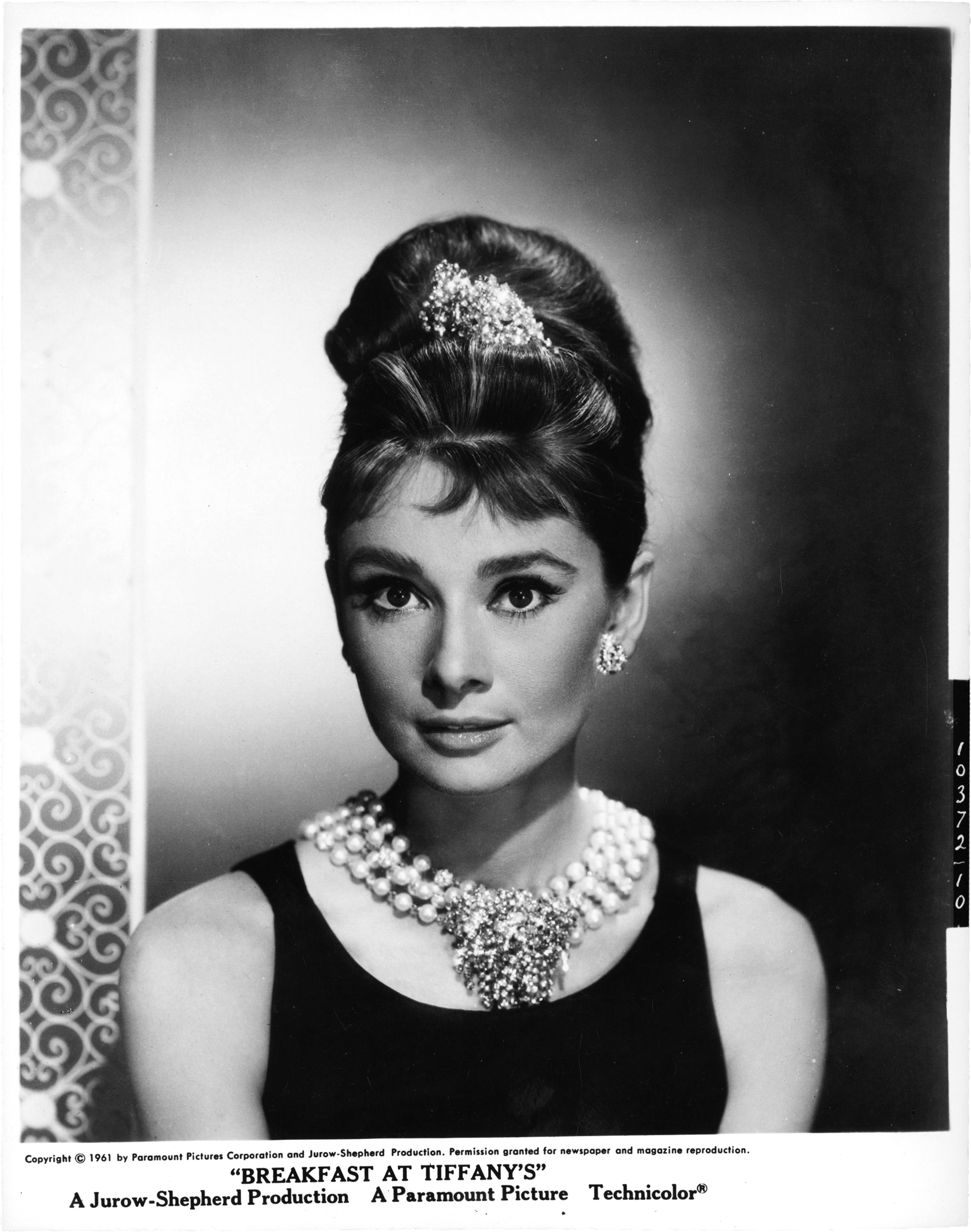
Fireball: Carole Lombard and the Mystery of Flight 3 by Robert MatzenThere should be a law that Hollywood stars who are going to die young should only make first-rate pictures. Take Audrey Hepburn, for example. There was only so much Audrey to go around. She reached her zenith in looks and glamour around the time of Breakfast at Tiffany’s, then did Charade and My Fair Lady, and before and after there were some stinkers. I’ll grant you Roman Holiday’s a fine, original picture, Funny Face has its moments, and The Nun’s Story is, well, awesome, but War and Peace, Green Mansions, Paris When It Sizzles, How to Steal a Million—I wish to heck since Audrey had a limited shelf life and moved on to humanitarian work that she had made better career choices.

Marilyn Monroe’s another one. I want more of the Marilyn of Niagara, How to Marry a Millionaire, and The Seven Year Itch—I’m not as big a fan of Some Like It Hot as others are—but boy she completed her trajectory fast. I don’t care much about seeing MM play a psycho in Don’t Bother to Knock. River of No Return? Eh. Bus Stop—not to my taste. The Misfits depresses me. I think she looks great in The Prince and the Showgirl and it has some moments, but it’s also a test of the kidneys. And the perfect torture for your worst enemy: tie him or her to a chair and force consumption of Let’s Make Love in its lethal entirety. She’s the perfect example of how limits of even tremendous Hollywood stars can be tested by forcing them into pictures that were just plain bad ideas.

I’m not your biggest fan of Jean Harlow (although I have nothing against her), but the other week Saratoga was on and I tried to sit and enjoy it. I decided that even if Harlow had lived to film every scene in the script, Saratoga would still have been a dog, just like Personal Property had been a dog. It makes me wonder if Harlow wouldn’t have followed Joan Crawford into the MGM doghouse with another bad picture or two the likes of Saratoga.

Fireball: Carole Lombard and the Mystery of Flight 3 by Robert Matzen

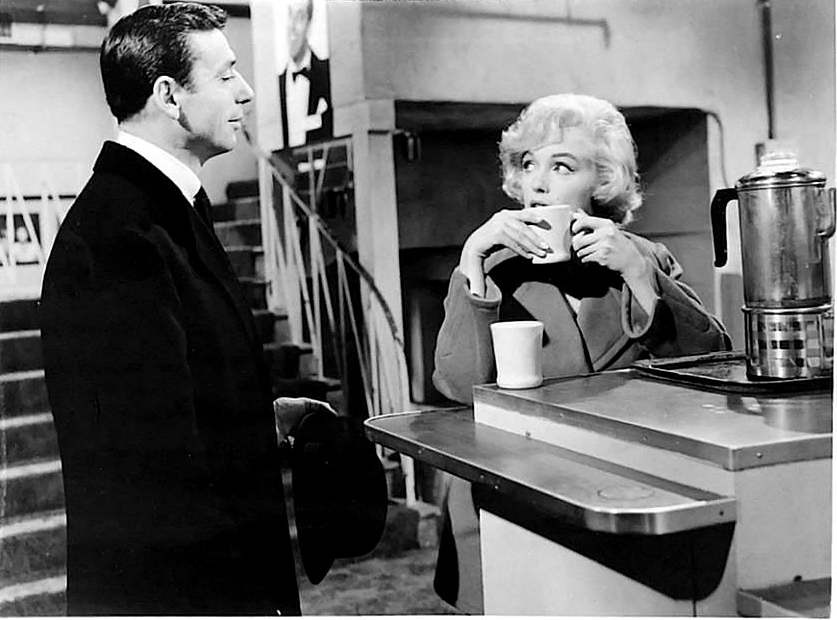
So let me see if I have this straight, Mr. Montand. I’m Marilyn Monroe, and you’re getting more screen time than me in this picture?

Carole Lombard made some pictures that are hard to watch, particularly earlier in her career, but Fools for Scandal, Vigil in the Night, and They Knew What They Wanted? Ouch.

Do you ever do that? Do you ever sit consuming a bad picture by a big Hollywood star and wish for better? Errol Flynn was the perfect screen swashbuckler but made very few good ones. I watch him forced to go through the paces saddled with that hellacious Against All Flags script and before long I’m ranting at the screen. Earlier today I caught a few moments of his Civil War western Santa Fe Trail and it was a few moments too many. Some time back I went through all the production notes on this one and even as he toiled on it day by day, Flynn knew it stank. He was a cranky man making Santa Fe Trail and for good reason.

It’s the flip side of Golden Age Hollywood: stars needed vehicles, needed to have their faces out there with three, four new pictures a year, many or most of them forgettable and some downright painful because there just weren’t enough good scripts and good directors to go around.

Clark Gable may have been the King of Hollywood back in the day, but take away It Happened One Night and Gone With the Wind, and what do you have? Some decent pictures and many more iffy ones.

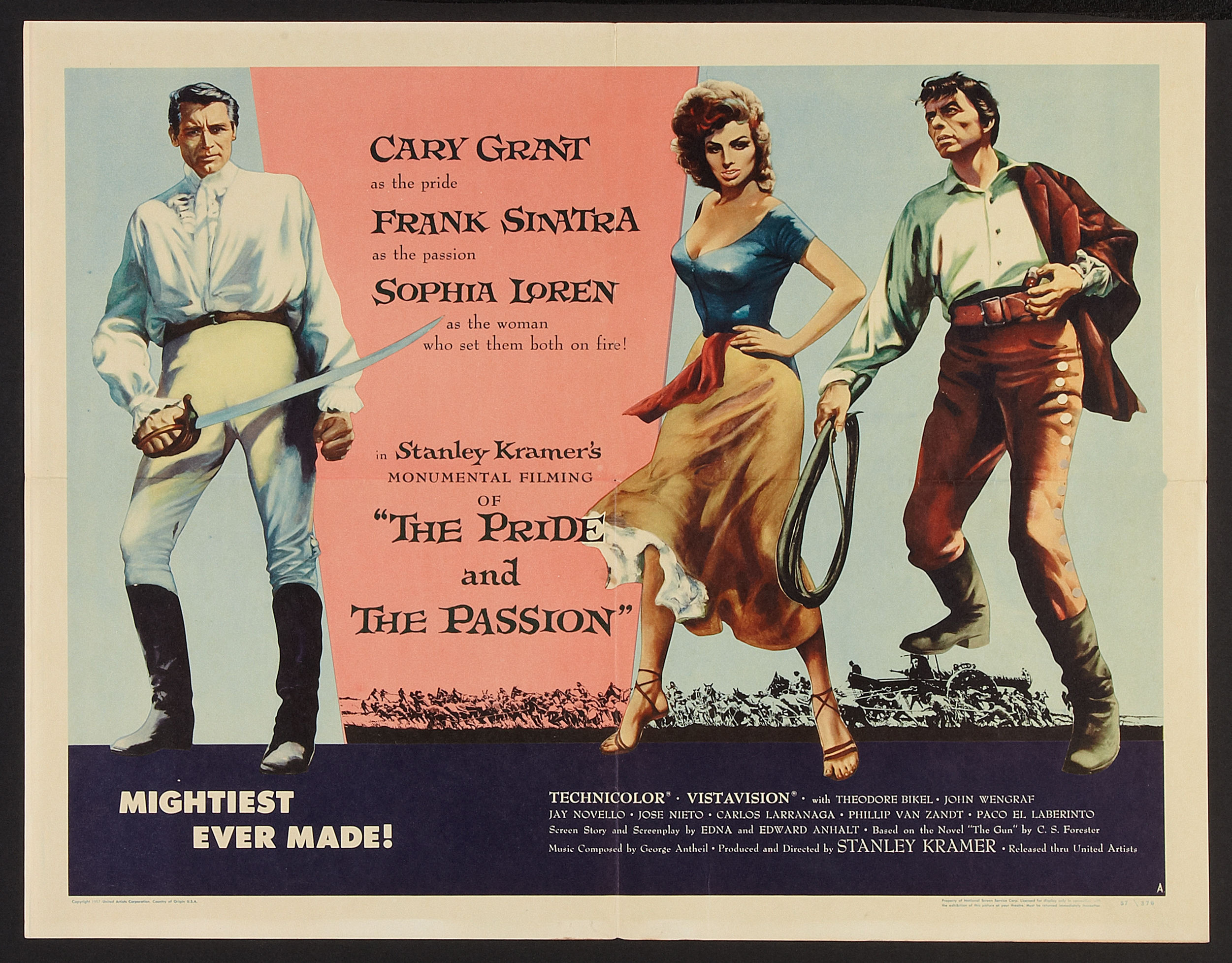
We think of Cary Grant as a hit maker but man did he foul off lots of pitches in the 1950s. For every To Catch a Thief and North by Northwest there was a Crisis, Room for One More, Kiss Them for Me, and The Pride and the Passion. I mean, he’s Cary Grant for crying out loud! Give him better material!

Fireball: Carole Lombard and the Mystery of Flight 3 by Robert Matzen

The movie posters for The Pride and the Passion should have been warning enough.

My beloved Marx Brothers may be the best example of all. After five stout Paramount comedies in as many years, the boys moved to MGM and died a lingering death. Somehow their funny bones never got packed and stayed back in the soundstages on Melrose. What a tragedy! Such great talent wasted as they ran out of motivation in the face of flop after flop and suddenly were too old and didn’t care anymore.

Am I the only one who wishes that all those unique talents living in their unique times had been better taken care of?

Survivor

Fireball: Carole Lombard and the Mystery of Flight 3 by Robert Matzen

The couple at their Encino ranch in spring 1939.

I’ve been thinking about Clark Gable lately, since he got all that attention for “date raping” Loretta Young on a train in 1935. Even though they weren’t on a date. Even though no evidence exists that there was any sort of rape at all. Mark Alan Vieira wrote an excellent open letter on the subject that I am hoping you will read and share. To my mind it stabilizes the poisonous atmosphere around the memory of Clark Gable.

All this got me to thinking about how Gable survived the loss of his wife of less than three years and companion for six, Carole Lombard. It’s a central theme in Fireball—you expect your partner home any minute but she doesn’t come home, ever, and how do you deal with that? How do you cope when the love of your life leaves you? No goodbye, no legal papers, no separation, no divorce. Just. Gone. Of course every partner in every relationship is unique, but what about if you’re married to vivacious, mile-a-minute, down-to-earth, beautiful, sexy, over-caffeinated and over-nicotined Carole Lombard? How do you survive the loss of that? Of a person you know is smarter than you? Of a force of nature, a dynamo with too much energy, a challenge and a handful every minute of the day? A person you loved body and soul and fought with like there was no tomorrow?

Fireball: Carole Lombard and the Mystery of Flight 3 by Robert Matzen

The irony and sadness of the story is captured in this photo and caption from the Indy Star. (Thank you, Marina Gray)

The fact is, he did survive it. He didn’t want to survive and tried not to but he did anyway. He endured that Las Vegas weekend and the funerals the next week. He endured life on the profoundly quiet ranch in Encino and on the Culver City MGM soundstages Lombard once visited to be near her husband.

He survived. What strikes me about his survival is the grace I saw at every turn looking back through first-person accounts of Clark Gable’s struggle to keep going. He never lashed out, never once that anyone saw. He just kept moving, for a long time as a facsimile of Gable the movie star, hollow-eyed and emaciated but ramrod straight, going through the motions, staring at nothing, not hearing what was said to him, and then he decided something in an agreement with himself, something that reconciled this with that. He seems to have accepted that she was gone and never coming back. After that, he reappeared as something resembling his old self and also as a prophet of Carole Lombard’s life and legacy, spreading the good word about her, telling stories about her antics, her good deeds, her studio smarts, the gags she pulled, the fights they had, most of these stories beginning with the words, “Remember the time…”

This Clark Gable, the one buried next to Carole Lombard at Forest Lawn Glendale, is not a predator. I can’t say one way or the other what he was in 1935, but I know what he was in 1942 and 1943, and that’s a guy struggling to survive and doing it with a dignity I admire. I’ve always said frankly that I didn’t start out liking Clark Gable but grew to admire him, and I stick by that because he did endure that weekend and went on to finish his career and his life without the girl, with other women in his life but most decidedly without the girl. It speaks to the character of a survivor, which also may explain his approach to that child he sired by Loretta Young: little Judy Lewis threatened his survival, and nothing must be allowed to do that. So there are the two sides of the sword, the dignity of a survivor and the ruthlessness of a survivor. Whatever you want to say about Clark Gable, he was human, complete with his fair share of human failings but also dignity among other qualities. And he survived.

On the eve of war

Fireball: Carole Lombard and the Mystery of Flight 3 by Robert Matzen

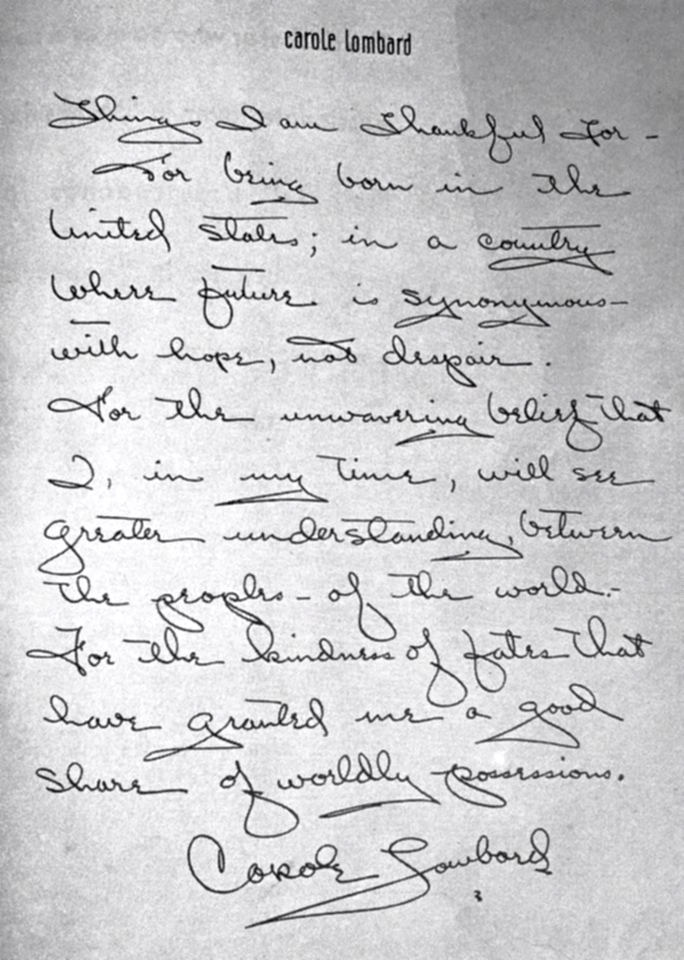
I came across this letter on a Facebook (posted by Brian Lee Anderson) Carole Lombard fan page. It’s written in Lombard’s own hand for Movie Mirror magazine in celebration of Thanksgiving 1939, and I find it evocative on a couple of levels. I don’t know how much prepping she did or who might have helped her with this piece. This was her RKO period so it’s not a Russell Birdwell/Selznick PR piece, and maybe it’s just Carole being Carole and winging it. The sentiment is beautiful, democratic, and gives a nod to the fact that, hey, worldly possessions are important. It’s better to have them than not to have them.

The handwriting itself shows an unusual amount of concentration and workmanship from someone who often scribbled like your average M.D. A handwriting analyst might say that the lack of slant in one direction or the other indicates a practical, down-to-earth person, which she certainly was, and the occasional backward slant reveals a rebellious streak that just couldn’t be contained.

Fireball: Carole Lombard and the Mystery of Flight 3 by Robert Matzen

Carole Lombard at about the time she wrote her Thanksgiving 1939 open letter in Movie Mirror magazine.

To me the allusion to world events hits closest to home because in working on my new manuscript, Mission: James Stewart and World War II, I am forced to confront human suffering that’s at the least uncomfortable and often devastating. She wrote her Thanksgiving message about a year after Kristallnacht, the night of broken glass symbolizing the beginning of the end for Jews in Nazi-occupied territories. She wrote it two months after the invasion of Poland that sent refugees streaming westward. She wrote it with the German war machine rising to strike against France and England and with Hitler rallying hundreds of thousands in Nuremberg. She wrote it as the conflict between Japan and China raged for its second year. She wrote it in anticipation of a war that would claim more than 400,000 American lives, including her own.

The Allies would prevail in what would become World War II, and their spoils included the writing of the history of it. I continue to struggle to uncover accounts of civilians under the rain of Eighth Air Force bombs because the losers in war don’t get to tell their stories. But if war is hell, then those unlucky enough to watch 200 B-24 Liberators fly over and unload their “cartons of eggs” truly knew what hell was all about. Before you say, “Well, they were the enemy, that’s what they deserved,” consider that the bombs fell on civilians who had learned that challenging Nazi authority meant death; on Jews hiding in Berlin basements for years; and on Dutch, French, and Polish nationals forced to work in German factories. Tens of thousands of these humans were blown back to their molecular components by the Americans of the Mighty Eighth.

And that’s what I see written between the lines of Carole Lombard’s Thanksgiving 1939 message. There’s a palpable sense of foreboding, that history was about to blow through in the form of a worldwide cyclone and no one, absolutely no one, would be spared.